Cultural, historical, adventure, and custom customized trips are just a few of the tours that Deluxe trips offer in Egypt and Jordan.

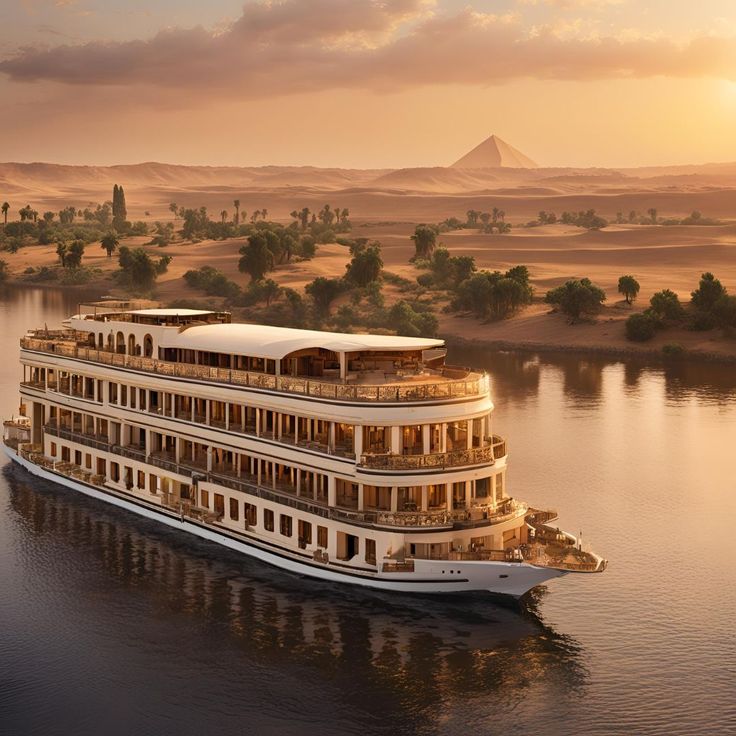
Unlocking the mysteries of the pharaohs takes more than a simple getaway; it starts with understanding a geographic quirk that confuses many first-time visitors. The Nile flows north, so "Upper Egypt" is actually the southern half of the country, and a cruise from Luxor to Aswan sails upstream against the current. Before the Aswan High Dam was completed in 1970, this same river flooded its banks every summer, and that annual rhythm shaped everything ancient Egyptians built along it. Combining Cairo's iconic monuments with a river voyage is the quintessential way to follow that story from the Old Kingdom pyramids in the north to the New Kingdom temples in the south. This comprehensive guide from Deluxe Tours Egypt outlines the standout highlights for travelers seeking the best cairo and nile cruise itinerary.
No trip to Egypt is complete without standing in the shadow of the last remaining ancient wonder of the world. The legendary Pyramids of Giza share the plateau with the Great Sphinx, which spent much of its 4,500-year life buried up to its shoulders in drifting sand. Between its front paws stands a granite slab, the Dream Stele, carved around 1400 BCE by Pharaoh Thutmose IV, who claimed the Sphinx spoke to him in a dream and promised him the throne if he cleared the sand away. Full excavation of the body only finished in the 1930s.
Practical Tip: Go early in the morning to beat both the desert heat and the crowds, and buy the separate interior ticket ahead of time if you want to enter the Great Pyramid, since access is limited and the passages are narrow, low, and steep.

Standing on the north side of Tahrir Square, the historic Egyptian Museum has held one of the world's largest collections of Pharaonic antiquities since its pink neoclassical building opened in 1902, designed by the French architect Marcel Dourgnon. It holds around 120,000 objects, and for decades it also housed Tutankhamun's treasures after their discovery in 1922. Wandering its storied halls still reveals delicate gold jewelry, royal sarcophagi, and timeless statuary, with many labels handwritten in the early 20th century still in place, which gives the museum a old-world character that newer galleries can't replicate.
Practical Tip: Pair your museum visit with a certified Egyptologist guide, since the halls hold far more than anyone can absorb in one visit and a guide can steer you to the highlights instead of leaving you to wander.

Step back into medieval Cairo as you navigate the labyrinthine alleyways of Khan el-Khalili. This bustling 14th-century market also has a literary side: Naguib Mahfouz, Egypt's Nobel Prize-winning novelist, grew up in the surrounding Gamaliya district and set many of his best-known stories in these lanes, and a café named after him still operates inside the bazaar. Between the brass lamps and silver jewelry, look for the small perfume stalls, where blenders mix pure oil-based attars by hand, a craft that has outlasted several centuries of changing trade.
Practical Tip: Take a quiet break at the historic El Fishawy Cafe, said to have served tea and coffee since the late 18th century, and sit at one of the outer tables if you want the best view of the alley traffic.

As your river journey begins, Karnak Temple stands out as the largest religious complex ever constructed by human hands. Ideal for travelers embarking on luxor to aswan nile cruise tours, it holds the tallest surviving ancient obelisk in Egypt, raised by Queen Hatshepsut at roughly 29 meters and carved from a single block of red granite hauled from the quarries at Aswan. Near the sacred lake, a large granite scarab statue draws a steady line of visitors who circle it in the hope of good luck, a tradition that has little to do with ancient practice but has become part of the site's modern character.
Practical Tip: Wear comfortable walking shoes and bring a sun hat, as this sprawling open-air complex offers minimal shade, and consider returning for the evening Sound and Light show if your cruise schedule allows it.

Nestled in the limestone cliffs of Luxor's West Bank, the Valley of the Kings served as the final resting place for Egypt's powerful New Kingdom pharaohs. Above it rises Al-Qurn, a natural peak shaped like a pyramid, and many scholars believe the site was chosen partly for that echo of the older pyramid tradition. Hidden rock-cut tombs offered far better protection than those huge, visible monuments, yet most were still looted in antiquity. Tutankhamun's modest tomb was one of the few to escape, buried under debris from later construction until Howard Carter found it largely intact in 1922.
Practical Tip: Your standard entry ticket covers three tombs, and the extra pass for Tutankhamun's tomb mainly gets you the small burial chamber and the king's mummy, since his golden treasures now live in the Grand Egyptian Museum. Seti I's tomb is often cited as one of the most elaborately painted in the valley, so it's usually the better upgrade for wall art.

Experiencing a classic cairo to aswan nile cruise means docking at riverside sanctuaries that most road itineraries struggle to fit in. At Edfu, the Temple of Horus is the second-largest temple in Egypt after Karnak, and its walls carry long inscriptions recording how the building was constructed and how its rituals were performed, making it one of the fullest written accounts of Ptolemaic temple life anywhere. According to those texts, the statue of the goddess Hathor once sailed here each year from Dendera for a ceremonial reunion with Horus. Further south, the temple of Kom Ombo is known for a wall relief often described as showing ancient medical instruments, though scholars still debate exactly what it depicts.
Practical Tip: Sunset is often the best time for cairo and nile cruise sailing, since the golden light lands on the palm groves and mud-brick villages along the banks, and the top deck gives you the widest view. Winter evenings turn cool quickly once the sun drops, so bring a light layer.

Dedicated to the goddess Isis, Philae Temple sits gracefully on Agilkia Island in Aswan. After the first Aswan Dam opened in 1902, the original island spent much of each year underwater, and early 20th-century visitors toured the half-submerged colonnades by rowboat. The later UNESCO rescue, prompted by the rising waters behind the Aswan High Dam, moved the complex to higher ground. Today the island combines Ptolemaic and Roman architecture with wide river views. Its best-known landmark is Trajan's Kiosk, an open-sided Roman-era pavilion on the waterfront that was never finished, yet appears on more postcards than almost any other structure at the site.
Practical Tip: The motorboat ride from the Aswan marina takes only about ten minutes. Aim for the last hour or two before sunset, when the low light warms the stone and picks out the fine detail in the ancient reliefs.

Carved directly into a solid rock cliff by Ramesses II, the twin temples of Abu Simbel represent the pinnacle of ancient engineering. Featuring four colossal statues of the king guarding the entrance, this site is a crown jewel of egypt tour packages with nile cruise. Drifting sand buried the facade up to the colossi's chests for centuries, and the site stayed largely forgotten until the Swiss explorer Johann Ludwig Burckhardt spotted the top of the temple in 1813 and Giovanni Belzoni forced his way inside in 1817. Look closely at the legs of one of the colossi and you'll find Greek graffiti left by mercenary soldiers around 590 BCE, among the oldest known Greek inscriptions in Egypt. Beside the main temple stands a smaller one honoring Queen Nefertari and the goddess Hathor, where the statues of the queen match the king's in height, a rare honor in Egyptian royal art.
Practical Tip: Book a morning private transfer or short flight from Aswan to explore the temples before the large tour buses arrive. An hour or two on site is enough to see both temples, and there is very little shade, so bring water and a hat.

Experience the river as travelers have for millennia by boarding a traditional wooden felucca. Ancient Egyptians relied on a quirk of geography: the Nile flows north, but the prevailing wind blows from the north, so boats could drift downstream with the current and raise a sail to travel upstream against it. Egyptian hieroglyphs even encoded the idea, using a boat with a sail for "go south" and a boat without one for "go north." Today's feluccas still work the same way, with a single triangular sail and no engine, so unwinding on cushioned decks while the white canvas catches the breeze offers a tranquil contrast to your sightseeing schedule during a luxury nile cruise and cairo tour.
Practical Tip: Book your sail about an hour before dusk to watch the sunset colors over Elephantine Island, and agree on the price for the whole boat before you board rather than per person. Since felucca speed depends entirely on the wind, the route can shift, so treat the timing as flexible.

For a cultural off-the-beaten-path gem, explore the peaceful fortified compound of Coptic Cairo, built within the walls of the ancient Roman fortress of Babylon. Home to the Hanging Church and the Church of St. Sergius, this area offers a serene look into Egypt's early Christian heritage. Visitors climb a steep flight of steps to reach the Hanging Church, which sits raised above the old fortress gatehouse. Inside, tradition links the columns of the nave to Christ and the twelve apostles. That makes it a rewarding stop for the details as well as the history, and an essential addition to cairo and nile cruise packages.
Practical Tip: Respect the quiet sanctity of these active places of worship by dressing modestly and refraining from flash photography inside. The compound is small enough to cover on foot in about two hours, and the Mar Girgis metro station sits right beside it if you want to skip the city traffic.

Navigating Egypt's historic regions calls for smart coordination. Cairo's roads are at their quietest on Friday mornings, when the weekly day of rest keeps traffic light until midday prayers, which makes it a good slot for far-flung sights like Saqqara. For the rest of the week, a private air-conditioned vehicle with a driver takes the sting out of the congestion. To connect the capital to Upper Egypt, quick domestic flights to Luxor or Aswan save precious time, though it's worth checking the airline's baggage allowance before you pack. Once you're south, your cruise ship works as a floating hotel that carries you between temples without repeated packing and unpacking. One quirk to expect: in busy periods, ships often moor two or three abreast at Luxor and Aswan, so you may walk through the lobbies of neighboring vessels to reach the shore, and the lock at Esna can add a wait when boats queue to pass through.
Egypt maintains a highly developed tourism infrastructure, and visitors notice it quickly: metal detectors and bag scanners are routine at major sites, hotels, and airports, so it helps to allow a few extra minutes at entrances. The Tourist Police, recognizable by their uniforms and stationed at most heritage sites, also run a dedicated hotline (126) for visitors who need help. To keep your journey smooth, buy bottled water and check that the cap seal is intact, skip ice in drinks from unfamiliar spots, keep high-value items secure in crowded marketplaces, and rely on licensed local guides who can show their official ID. Traveling with a reputable operator adds vetted transport and a ground team you can reach by phone throughout your stay.
Designing an unforgettable itinerary shouldn't feel like hard work. Whether you are seeking a custom private cairo and nile cruise tour or a classic 7 day cairo and nile cruise itinerary, Deluxe Tours Egypt takes care of the moving parts you'd rather not juggle yourself: the domestic flights between Cairo, Luxor, and Aswan, a cruise cabin that matches your dates, and timed entry tickets that keep popular sites from eating your morning. A week is enough to cover the pyramids, Luxor's temples, and Aswan, but it moves quickly, so it's worth deciding early whether you'd rather add a night or two. Winter dates between October and April fill up first, so it pays to reach out a few months ahead. Get in touch with our travel specialists today to start crafting your bespoke Egyptian getaway.
Discover now our answers to the most common questions that may come to your mind about tourism and trips to Egypt
Cultural, historical, adventure, and custom customized trips are just a few of the tours that Deluxe trips offer in Egypt and Jordan.
The Dead Sea, Petra in Jordan, the Pyramids of Giza, Luxor's historic temples, and many other famous sites can be expected to be explored with Deluxe Tours.
offer a hassle-free holiday, Deluxe Tours' packages generally include lodging, transport, meals, guided tours with experienced local experts, and entry fees to attractions.
Spring (March to May) and fall (September to November) offer the finest weather for sightseeing and outdoor activities, making those months the best times to visit Egypt and Jordan.
These two countries are close by, only a 1.5-hour flight apart, and when combined, offer a variety of distinctive experiences. We advise you to spend at least 12 days visiting both countries for a truly unforgettable experience
Combining the eclipse viewing with visits to historic sites like the Pyramids of Giza, the Valley of the Kings, and a Nile River cruise are highly recommended.
Yes, all classic tours include professional, licensed Egyptologist guides who provide in-depth historical insights at every site. Private guide options are also available for a more personalized experience.
Absolutely. We offer fully customizable itineraries based on your travel dates, budget, hotel preferences, cruise category, and specific interests such as photography, history, adventure, or luxury travel.
Classic Tour packages typically offer 4-star and 5-star hotels in Cairo and luxury Nile cruises. Boutique and ultra-luxury accommodations can also be arranged upon request.
Yes, Egypt’s main tourist destinations such as Cairo, Luxor, Aswan, and the Red Sea resorts are considered safe and well-secured. Our tours provide private transportation, licensed guides, and 24/7 on-ground support to ensure a safe and comfortable experience.
Classic Egypt Tours may take you on more extensive journeys (7–10 days) that explore Luxor, Aswan, and the Nile Valley, or they can be short trips (3–4 days) that focus on Cairo and Giza.
Yes, these tours are suitable for families, couples, solo travelers, and seniors. The pace can be adjusted, and private transportation ensures comfort throughout the journey.
Yes, U.S. passport holders require a tourist visa. It can be obtained upon arrival at Cairo Airport or applied for online through Egypt’s e-visa system.
Abu Simbel Temples are located in southern Egypt near the Sudanese border, about 280 km (175 miles) southwest of Aswan, on the western bank of Lake Nasser.
The temples were built by Pharaoh Ramesses II in the 13th century BC. They are famous for their colossal statues and for the incredible relocation project in the 1960s to save them from flooding after the construction of the Aswan High Dam.
Usually, no. Most Nile Cruises sail between Luxor and Aswan. While they don't sail to Abu Simbel, almost all cruises offer it as an optional add-on excursion while the ship is docked in Aswan.
Visitors usually spend 2–3 hours exploring both the Great Temple of Ramesses II and the Temple of Queen Nefertari.
Yes. The site is accessible and relatively flat, but the heat can be intense. Early morning visits are recommended for families and seniors.
Absolutely. The scale, history, and preservation story of Abu Simbel make it one of Egypt’s most breathtaking archaeological sites and a highlight of any trip to Egypt.
Yes! Unlike the Great Sphinx, your entry ticket includes access to the inner chambers of both the Great Temple of Ramesses II and the Temple of Nefertari. You can walk all the way back to the "Holy of Holies" sanctuary.
The Abu Simbel Sun Festival happens twice a year (around February 22 and October 22). On these dates, sunlight illuminates the inner sanctuary statues, an incredible ancient astronomical achievement.
Yes, it is commonly done as a day trip from Aswan, typically departing very early in the morning and returning by early afternoon.
Absolutely. The scale, history, and preservation story of Abu Simbel make it one of Egypt’s most breathtaking archaeological sites and a highlight of any trip to Egypt.
Most itineraries combine cultural highlights such as Cairo, Luxor, and Aswan with Red Sea resort cities like Hurghada, Sharm El Sheikh, or Marsa Alam.
Most tours include 2–4 nights at a Red Sea resort after exploring historical sites. Travelers looking for more relaxation often extend their stay.
Yes. The Red Sea is considered one of the world’s top diving destinations thanks to its rich marine life, colorful coral reefs, and exceptional underwater visibility.
Absolutely. Many itineraries combine a Nile cruise between Luxor and Aswan with a beach stay in Hurghada or Sharm El Sheikh.
Last. Use the Red Sea as your "recovery" period after the early mornings and heavy walking of the Pyramids and Nile cruises.
Major Red Sea resort areas are well-developed tourist destinations with strong security measures and established tourism infrastructure.
No. All resorts offer "Intro Dives" for beginners. Snorkeling is also excellent right off the hotel jetties.
Each resort area offers a different experience:
Hurghada – Ideal for families, all-inclusive resorts, and easy access from the Nile Valley.
Sharm El Sheikh – Known for luxury resorts, vibrant nightlife, and world-class diving.
Marsa Alam – Perfect for tranquility, eco-lodges, and untouched reefs.
El Gouna – A stylish lagoon-style resort town with a boutique atmosphere.
Your choice depends on whether you prefer relaxation, diving, nightlife, or exclusivity.
The Red Sea can be visited year-round. The period from October to April offers pleasantly warm temperatures ideal for sightseeing and beach relaxation, while the summer months are hotter but perfect for those who love long sunny days by the sea.
During your stay along the Red Sea, you can enjoy snorkeling, scuba diving, boat trips to nearby islands, desert safaris, spa treatments and relaxing on private beaches. Many resorts also offer water sports, sunset cruises, and evening entertainment programs.
During your stay along the Red Sea, you can enjoy snorkeling, scuba diving, boat trips to nearby islands, desert safaris, spa treatments and relaxing on private beaches. Many resorts also offer water sports, sunset cruises, and evening entertainment programs.
Our luxury tours focus on exclusivity, comfort, and personalized service. Instead of large group travel, you enjoy private guided visits, premium accommodations, seamless transfers, and carefully curated experiences that allow you to explore Egypt at your own pace with expert attention to detail.
Yes, many of our luxury packages feature a premium Nile cruise between Luxor and Aswan. Guests stay aboard high-end cruise vessels offering spacious suites, gourmet dining, spa services, and panoramic views of the Nile.
We carefully select five-star hotels and boutique luxury properties known for their exceptional service and prime locations. In Cairo, guests often enjoy stays near the pyramids or along the Nile, while in Upper Egypt and the Red Sea, we choose elegant resorts and heritage-inspired hotels that provide both comfort and authenticity.
Yes, our Egypt Luxury Tours are primarily private, allowing you to travel with your own dedicated Egyptologist guide and professional driver. This ensures flexibility, privacy, and a more immersive experience at every historical site.
Absolutely. Each luxury journey can be fully tailored to your interests, whether you prefer extended time at archaeological sites, exclusive dining experiences, spa retreats, or additional nights on the Red Sea. We design each itinerary to match your travel style and preferences.
Yes, our luxury packages typically include VIP airport meet-and-assist services at Cairo International Airport, ensuring a smooth arrival and departure experience with fast-track support.
These tours are perfect for couples, honeymooners, families seeking privacy, executive travelers, and anyone who values comfort, exclusivity, and personalized service while discovering Egypt’s timeless heritage.
Yes, primarily because you are never "on your own" in transit. You are escorted from the moment you land until you depart. Luxury tours also use vetted, high-security hotels and private transport, which minimizes the risk of common scams or petty theft.
Depending on availability and preference, we can arrange private pyramid visits, VIP access to selected sites, gourmet dinners with Nile views, spa treatments, and special cultural experiences that elevate your journey beyond traditional sightseeing.
Egypt offers extraordinary history and breathtaking landscapes. Experiencing it through a luxury journey allows you to explore iconic temples, cruise the Nile in elegance, and relax in world-class resorts, all while enjoying seamless service and refined comfort from beginning to end.
Egypt Budget Holidays are carefully designed travel packages that allow you to explore the country’s most iconic attractions at an affordable price. These tours combine smart planning, well-organized itineraries, and comfortable accommodations to ensure you experience the highlights of destinations such as Cairo, Luxor, and Aswan without stretching your budget.
Most budget itineraries include Egypt’s top highlights such as Cairo, Luxor, and Aswan. Travelers can visit the legendary Great Pyramid of Giza, explore ancient temples along the Nile, and experience local culture — all at an affordable price.
Excluding international flights, a well-planned budget itinerary usually costs between $800 and $1,100 USD. This includes domestic travel (trains/buses), entry fees, street food, and guesthouse accommodation.
Budget tours typically include clean and comfortable 3-star or quality 4-star hotels in convenient locations. While accommodations may not be luxury properties, they offer good service, essential amenities, and a pleasant stay after a full day of sightseeing.
Yes, budget tours are professionally guided by experienced Egyptologists who provide valuable historical insights at each site. Group tours are common in budget packages, helping reduce overall costs while maintaining a rich cultural experience.
Yes, budget packages typically include airport transfers, intercity transportation by air-conditioned vehicles or trains, and domestic flights when necessary, depending on the itinerary.
Absolutely. Budget holidays are popular among solo travelers, students, couples, and families looking for affordable adventures. Group settings can also be a great way to meet fellow travelers from around the world.
Egypt stands out as an ideal destination for travelers seeking exceptional value without sacrificing unforgettable experiences. The country brings together world-famous monuments, rich cultural traditions, and breathtaking landscapes, all available at comparatively affordable prices. From the ancient pyramids to majestic temples and a scenic Nile cruise, visitors can enjoy remarkable highlights while keeping expenses under control.
The "Shoulder Seasons" (May, September, and October) offer the best balance. You’ll find hotel rates 20–30% lower than the winter peak, and the heat is still manageable compared to the mid-summer blast.
Many budget tours offer flexible options, allowing you to add extra excursions, upgrade hotels or extend your stay. Optional visits to sites like Abu Simbel Temples can often be arranged at an additional cost.
Egypt offers couples a rare blend of romance, history, and exotic beauty. From watching the sunset beside the pyramids in Giza to sailing peacefully along the Nile near Aswan, every moment feels timeless and unforgettable. The atmosphere of ancient wonders combined with elegant hospitality creates a truly magical setting for newlyweds.
Most honeymoon itineraries include romantic stays in Cairo, cultural exploration in Luxor, and relaxing escapes in Red Sea destinations such as Sharm El Sheikh or Hurghada. This combination allows couples to balance discovery with privacy and relaxation.
Luxor Hot Air Balloon: Drifting over the Valley of the Kings at sunrise.
Private Felucca at Sunset: A 2-hour private sail in Aswan with traditional music and snacks.
Pyramid Dinner: Dining at 9 Pyramids Lounge or 139 Pavilion at the Mena House, where the pyramids are your backdrop.
Yes, Egypt Honeymoon Tours are typically arranged as private journeys, giving couples the freedom to explore at their own pace with a dedicated guide and private transfers. This ensures comfort, flexibility and intimate moments throughout the trip.
Honeymoon packages feature carefully selected four- and five-star hotels, boutique properties, and luxury resorts known for their romantic ambiance. Couples may enjoy Nile-view rooms, private balconies, spa treatments, and beachfront suites designed for comfort and privacy.
Absolutely. After exploring ancient temples and historic sites, couples can unwind on the pristine beaches of the Red Sea, enjoy spa treatments, or simply relax in a tranquil resort setting.
The most popular months for honeymoons are from October to April, when the weather is pleasantly warm and ideal for sightseeing and beach relaxation. However, Egypt remains a year-round destination for romance and discovery.
For international couples, a marriage certificate is not required to share a hotel room or cruise cabin. However, bringing a copy can sometimes help you secure "honeymooner" perks and upgrades at check-in.
Yes, every honeymoon can be tailored to reflect your personal style and preferences. Whether you envision more cultural exploration, additional beach relaxation in Sharm El Sheikh or a luxury retreat in Hurghada, your itinerary can be adjusted to create the perfect romantic balance.
Yes, Egypt is a year-round destination. The cooler months from autumn through spring are especially popular for honeymoons due to pleasant weather, while summer months offer sunny beach escapes and attractive resort offers.
Egypt combines ancient history, breathtaking landscapes, and serene coastal retreats in one extraordinary setting. From exploring legendary monuments to relaxing by the sea, it offers couples a rare opportunity to celebrate their love surrounded by beauty, culture, and unforgettable experiences.