Cultural, historical, adventure, and custom customized trips are just a few of the tours that Deluxe trips offer in Egypt and Jordan.

Navigating Cairo is an art form—a captivating blend of ancient grandeur, vibrant street life, and centuries of layer-upon-layer history. For the discerning traveler, seamless planning turns what could be an overwhelming metropolis into one of the world's most rewarding cultural journeys. As a trusted leader in luxury travel, Deluxe Tours Egypt has curated this essential list of key experiences, offering the ultimate Cairo travel guide for first timers who want to experience the city's finest treasures without missing a beat.
As the last remaining wonder of the ancient world, the Pyramids of Giza remain the ultimate bucket-list experience. Marvel at the sheer scale of Khufu, Khafre, and Menkaure, and gaze upon the majestic Sphinx standing guard over the plateau.
Pro Tip: Go during the early morning hours to beat the heat and large tour crowds, or coordinate with a guide to access the quieter interior chambers. The best time to visit cairo for pleasant weather is between October and April.

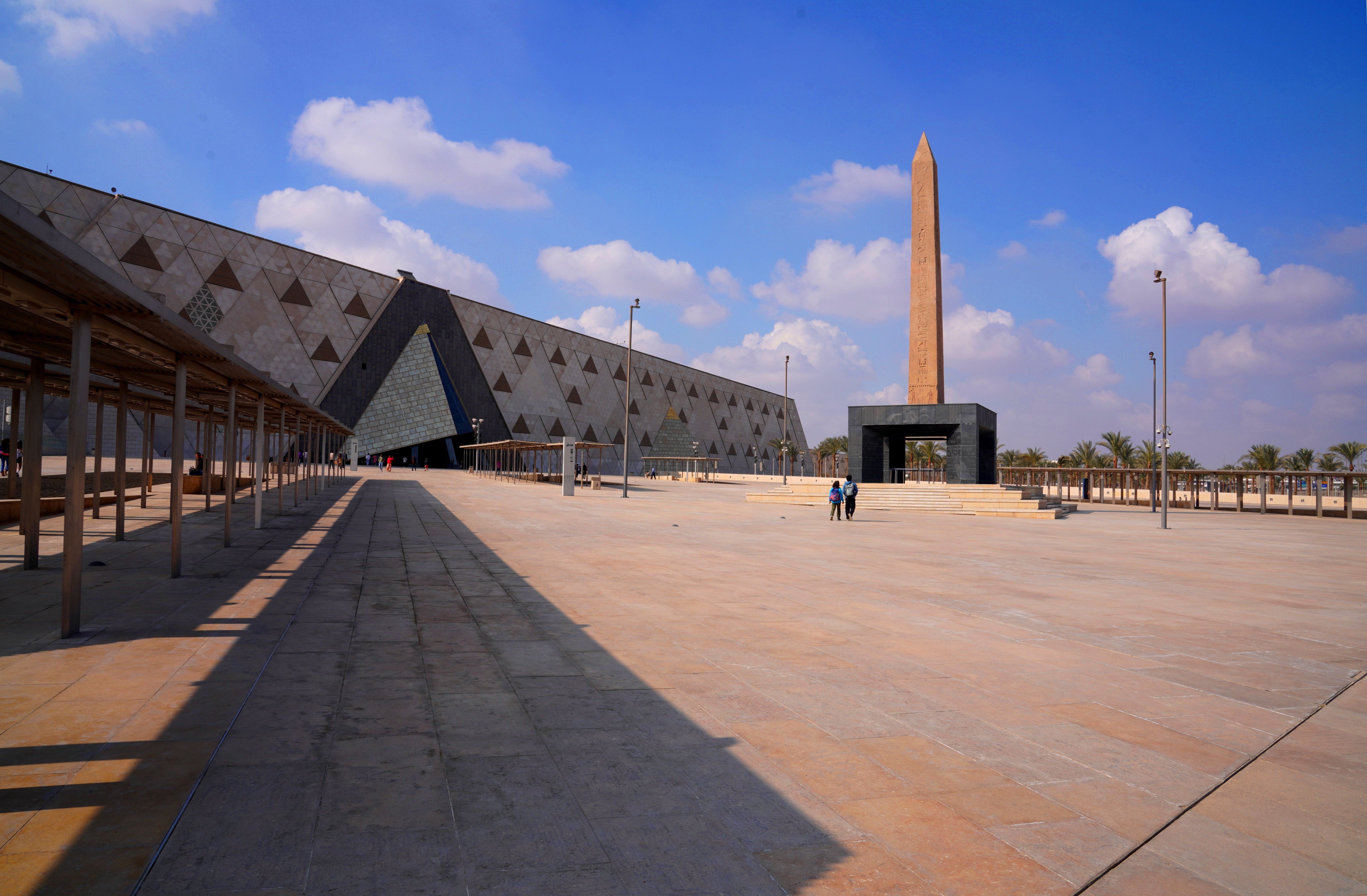
Situated just minutes from the Giza Plateau, the modern Grand Egyptian Museum is an architectural marvel designed to house the world's most extensive collection of pharaonic antiquities. Walking up its grand staircase offers panoramic views of the pyramids themselves.
Pro Tip: Book your tickets online ahead of time to secure entry for limited preview access and specialized guided tours.

Even with new museums opening, the historic Egyptian Museum in Tahrir remains an iconic center of Egyptology. Its classic 1902 neo-classical building houses thousands of timeless artifacts, sarcophagi, and royal statues that shaped world history.
Pro Tip: Book a private historian so you can navigate the vast collection with ease and focus on high-priority exhibits.

Situated south of Cairo, the Saqqara Step Pyramid of Djoser is recognized as the world's oldest stone structure. Designed by the legendary architect Imhotep, this site offers incredible insight into the evolution of pyramid construction.
Pro Tip: Combine your visit to Saqqara with the nearby Serapeum to see massive underground granite sarcophagi.

Perched high on the Mokattam Hills, the medieval Citadel of Saladin dominated the city's skyline for centuries. Within its fortified walls sits the dazzling Ottoman-style Mosque of Muhammad Ali, often called the "Alabaster Mosque."
Pro Tip: Head to the Citadel's western terrace around golden hour for stunning panoramic views across Cairo, stretching all the way to the pyramids on clear days.

No trip to Egypt is complete without wandering through Khan el-Khalili, Cairo's famous 14th-century bazaar. From handcrafted brass lanterns and silver jewelry to aromatic spices, this bustling market is a feast for the senses.
Pro Tip: Take a break at the historic El Fishawy Cafe, operating continuously since 1773, to enjoy fresh mint tea and watch the lively market life pass by.

Stretching through the heart of Islamic Cairo, Al-Mu'izz Street boasts the highest concentration of medieval architectural treasures in the Islamic world. Beautifully restored madrasas, mausoleums, and palaces line this pedestrian-friendly thoroughfare.
Pro Tip: Go in the early evening when the historic facades are lit up, casting a magical glow over the cobblestone street.

Step back into early Christian history in Coptic Cairo, a peaceful enclave built within the walls of the ancient Roman Fortress of Babylon. Key highlights include the famous Hanging Church, built over a Roman gatehouse, and the Church of St. Sergius and Bacchus.
Pro Tip: Dress conservatively out of respect for active worship spaces, covering shoulders and knees.

The National Museum of Egyptian Civilization (NMEC) in Fustat is a cutting-edge facility dedicated to displaying Egypt's rich history from prehistoric times to the modern era. Its crown jewel is the Royal Mummies Hall, designed to resemble ancient tombs.
Pro Tip: Photography is strictly restricted inside the Royal Mummies Hall to preserve the artifacts, so take your time to admire them up close.

Escape the fast pace of the city with a relaxing sail aboard a traditional wooden felucca. Drifting along the Nile as the sun dips below the horizon offers one of the most peaceful perspectives of the Cairo skyline.
Pro Tip: Bring fresh fruit or refreshments onboard, and book a late-afternoon slot to capture the golden hour lighting.

For those seeking incredible ancient ruins away from the main crowds, Dahshur is one of the premier Cairo day trips. Here, Pharaoh Sneferu experimented with pyramid design, resulting in the unique Bent Pyramid and the sleek Red Pyramid.
Pro Tip: The descent into the burial chamber of the Red Pyramid is steep and thrilling, so wear comfortable athletic shoes.

Constructed in the 14th century, the Mosque-Madrasa of Sultan Hassan is considered a masterpiece of Mamluk architecture. Its soaring ceilings, massive court arches, and intricate stone carvings display remarkable craftsmanship.
Pro Tip: Combine this visit with the adjacent Al-Rifa'i Mosque, where the last Shah of Iran and former Egyptian royals are buried.

Built atop centuries of accumulated debris, Al-Azhar Park is a green oasis offering manicured gardens, peaceful water features, and fine dining options. It is an essential stop on any well-balanced Cairo 3 day itinerary.
Pro Tip: Dine at the Citadel View Restaurant inside the park around sunset to enjoy gourmet Egyptian cuisine paired with dramatic night vistas.

Situated on Gezira Island in the upscale Zamalek district, the 187-meter Cairo Tower is inspired by the lotus plant. Its open-air observation deck offers a complete bird's-eye view of the Nile, downtown, and distant desert plateaus.
Pro Tip: Fast-track tickets are available at the counter to bypass daytime elevator lines.

Bab Zuweila is one of the three remaining southern gates of the medieval walled city of Cairo. Adventurous visitors can climb its narrow stone staircases to reach the top of the twin minarets for unforgettable urban views.
Pro Tip: Watch your step on the steep stairs, and bring a small flashlight or keep your phone charged for darker stairwell stretches.

Originally constructed as a royal residence in the 19th century, Abdeen Palace today serves as an official presidential building housing several impressive museums. Visitors can explore collections of royal weapons, gifts, and silver artifacts.
Pro Tip: Set aside at least two hours here, as the sheer volume of historical items on display takes time to fully appreciate.

Built by Prince Mohamed Ali Tewfik in the early 20th century, the Manial Palace features an extravagant mix of Art Nouveau, Islamic, Rococo, and Syrian architectural styles set within peaceful botanical gardens.
Pro Tip: Don't miss the palace's private throne room and beautiful stained-glass windows in the reception hall.

Carved directly into the sandstone cliffs of the Mokattam Hills, the Monastery of Saint Simon is an extraordinary sight. Capable of seating thousands, it is the largest Christian church complex in the Middle East.
Pro Tip: Booking a Cairo private tour guide with a dedicated driver is the easiest way to navigate the specialized route up Mokattam Mountain.

As one of the oldest and largest intact mosques in Cairo, Ibn Tulun is renowned for its unique spiral minaret inspired by the Great Mosque of Samarra. Adjacent to it sits the Gayer-Anderson Museum, a pair of restored 16th-century Ottoman houses packed with antique treasures.
Pro Tip: Film enthusiasts will appreciate that scenes from the James Bond movie The Spy Who Loved Me were filmed in the courtyard of the Gayer-Anderson house.

Egyptian cuisine is rich, comforting, and packed with flavor. Take a guided food walk to sample national staples like Koshary (a delicious mix of rice, pasta, lentils, and spiced tomato sauce), Ta'ameya (Egyptian fava bean falafel), and Fiteer Meshaltet (flaky Egyptian pastry).
Pro Tip: Choose established, high-end culinary venues or private guided food experiences to guarantee top food safety and hygiene standards.

When dusk falls, the Giza Plateau transforms into an open-air theater. The Sound and Light Show uses dramatic illumination and narration to bring the story of the pharaohs and the construction of the pyramids to life.
Pro Tip: Upgraded seating options or private rooftop dinner reservations overlooking the sphinx offer superior viewing angles.

Zamalek, an upscale island neighborhood on the Nile, is Cairo's cultural heart for contemporary art, fine dining, and boutique shopping. Spend an afternoon wandering its leaf-filled streets, visiting modern art galleries, and stopping at refined coffee shops.
Pro Tip: Go to the Safarkhan Art Gallery or the Center of Arts (Akhenaten) for a look at contemporary Egyptian visual art.

Situated on the southern tip of Rhoda Island, the Nilometer dates back to 861 AD. This sophisticated stone well was used during pharaonic and medieval times to measure the height of the Nile's annual flood waters to calculate agricultural taxes.
Pro Tip: Take a moment to look down into the interior shaft to admire the intricate mathematical scale and Arabic calligraphy along its walls.

Holding one of the world's finest collections of rare wood, plaster, metal, glass, ceramic, and textile artifacts, the Museum of Islamic Art in Cairo offers a remarkable journey through Islamic history.
Pro Tip: Look for the exquisite 14th-century carved wooden mihrabs and illuminated Quranic manuscripts on display.

Situated near Saqqara, Memphis was Egypt's first capital city, founded around 3100 BC. Today, its open-air museum houses remarkable ruins, including a colossal limestone statue of Ramses II and a massive alabaster sphinx.
Pro Tip: Include Memphis, Saqqara, and Dahshur together in a full-day luxury excursion to complete your ancient kingdom knowledge.

Downtown Cairo, planned in the 19th century under Khedive Ismail, features European-style Belle Époque architecture. Sitting at an outdoor café like Cafe Riche lets you soak in the historical atmosphere where writers, politicians, and artists once gathered.
Pro Tip: Keep an eye out for renovated historic buildings along Talaat Harb Street that reveal Cairo's rich 19th-century boom era.

Experience the hypnotic artistry of the Tanoura dance at the 14th-century Wekalet El Ghouri cultural center. Dancers dressed in heavy, colorful skirts spin continuously to live spiritual music and chanting in a mesmerizing ritual.
Pro Tip: Shows run on select nights each week and seating is limited, so book private transport and tickets ahead of time.

Known locally as Al-Qarafa, this vast historic necropolis contains delicate Mamluk and Ottoman mausoleums where artisans and families have lived alongside historic tombs for centuries. It provides a unique look at Cairo's architectural evolution.
Pro Tip: Always visit with a private local expert who understands the layout and neighborhood etiquette.

Situated on Gezira Island within the National Cultural Centre, the Cairo Opera House hosts world-class musical performances, ballet, and traditional Arabic music concerts throughout its season.
Pro Tip: Formal attire is required for major hall performances, making it a sophisticated evening option for luxury travelers.

Wrap up your city exploration with an elegant evening on the Nile aboard a floating restaurant. Fine dining, live music, and gentle river breezes make this one of the most relaxing things to do in Cairo.
Pro Tip: Book a private table on an upper deck to enjoy unobstructed views of the city lights shimmering across the water.

Navigating a metropolis of over 20 million people calls for a smart approach to transit. While public transportation and local ride-hailing apps exist, Cairo's dense traffic and vast distances can add unwanted stress to your day. The most comfortable and efficient way to explore the top places to visit in Cairo is via a private, climate-controlled vehicle with a dedicated chauffeur. Having door-to-door luxury transport ensures that you stay relaxed, cool, and perfectly on schedule between morning pyramid excursions and evening dinner reservations.
Cairo is widely recognized as one of the safest major cities in the Middle East, backed by a solid tourism infrastructure and dedicated Tourism Police stationed across key cultural zones. However, navigating a new destination always benefits from standard travel precautions. Keep valuable personal items secure in busy markets like Khan el-Khalili, cross streets with care alongside local pedestrians, and rely on accredited local operators for all guided excursions. Working with licensed professionals guarantees both your peace of mind and an authentic, high-quality travel experience.
Planning an extraordinary trip shouldn't feel like a full-time job. With Deluxe Tours Egypt, you can bypass logistics, long ticket queues, and busy crowds with customized Cairo tour packages designed around your personal interests. From private chauffeured transfers and skip-the-line museum passes to expert Egyptologists who bring ancient history to life, we manage every detail with precision. Let us plan your dream Egyptian getaway—reach out to our travel specialists today and step into a world of effortless luxury.
Discover now our answers to the most common questions that may come to your mind about tourism and trips to Egypt
Cultural, historical, adventure, and custom customized trips are just a few of the tours that Deluxe trips offer in Egypt and Jordan.
The Dead Sea, Petra in Jordan, the Pyramids of Giza, Luxor's historic temples, and many other famous sites can be expected to be explored with Deluxe Tours.
offer a hassle-free holiday, Deluxe Tours' packages generally include lodging, transport, meals, guided tours with experienced local experts, and entry fees to attractions.
Spring (March to May) and fall (September to November) offer the finest weather for sightseeing and outdoor activities, making those months the best times to visit Egypt and Jordan.
These two countries are close by, only a 1.5-hour flight apart, and when combined, offer a variety of distinctive experiences. We advise you to spend at least 12 days visiting both countries for a truly unforgettable experience
Combining the eclipse viewing with visits to historic sites like the Pyramids of Giza, the Valley of the Kings, and a Nile River cruise are highly recommended.
Yes, all classic tours include professional, licensed Egyptologist guides who provide in-depth historical insights at every site. Private guide options are also available for a more personalized experience.
Absolutely. We offer fully customizable itineraries based on your travel dates, budget, hotel preferences, cruise category, and specific interests such as photography, history, adventure, or luxury travel.
Classic Tour packages typically offer 4-star and 5-star hotels in Cairo and luxury Nile cruises. Boutique and ultra-luxury accommodations can also be arranged upon request.
Yes, Egypt’s main tourist destinations such as Cairo, Luxor, Aswan, and the Red Sea resorts are considered safe and well-secured. Our tours provide private transportation, licensed guides, and 24/7 on-ground support to ensure a safe and comfortable experience.
Classic Egypt Tours may take you on more extensive journeys (7–10 days) that explore Luxor, Aswan, and the Nile Valley, or they can be short trips (3–4 days) that focus on Cairo and Giza.
Yes, these tours are suitable for families, couples, solo travelers, and seniors. The pace can be adjusted, and private transportation ensures comfort throughout the journey.
Yes, U.S. passport holders require a tourist visa. It can be obtained upon arrival at Cairo Airport or applied for online through Egypt’s e-visa system.
Abu Simbel Temples are located in southern Egypt near the Sudanese border, about 280 km (175 miles) southwest of Aswan, on the western bank of Lake Nasser.
The temples were built by Pharaoh Ramesses II in the 13th century BC. They are famous for their colossal statues and for the incredible relocation project in the 1960s to save them from flooding after the construction of the Aswan High Dam.
Usually, no. Most Nile Cruises sail between Luxor and Aswan. While they don't sail to Abu Simbel, almost all cruises offer it as an optional add-on excursion while the ship is docked in Aswan.
Visitors usually spend 2–3 hours exploring both the Great Temple of Ramesses II and the Temple of Queen Nefertari.
Yes. The site is accessible and relatively flat, but the heat can be intense. Early morning visits are recommended for families and seniors.
Absolutely. The scale, history, and preservation story of Abu Simbel make it one of Egypt’s most breathtaking archaeological sites and a highlight of any trip to Egypt.
Yes! Unlike the Great Sphinx, your entry ticket includes access to the inner chambers of both the Great Temple of Ramesses II and the Temple of Nefertari. You can walk all the way back to the "Holy of Holies" sanctuary.
The Abu Simbel Sun Festival happens twice a year (around February 22 and October 22). On these dates, sunlight illuminates the inner sanctuary statues, an incredible ancient astronomical achievement.
Yes, it is commonly done as a day trip from Aswan, typically departing very early in the morning and returning by early afternoon.
Absolutely. The scale, history, and preservation story of Abu Simbel make it one of Egypt’s most breathtaking archaeological sites and a highlight of any trip to Egypt.
Most itineraries combine cultural highlights such as Cairo, Luxor, and Aswan with Red Sea resort cities like Hurghada, Sharm El Sheikh, or Marsa Alam.
Most tours include 2–4 nights at a Red Sea resort after exploring historical sites. Travelers looking for more relaxation often extend their stay.
Yes. The Red Sea is considered one of the world’s top diving destinations thanks to its rich marine life, colorful coral reefs, and exceptional underwater visibility.
Absolutely. Many itineraries combine a Nile cruise between Luxor and Aswan with a beach stay in Hurghada or Sharm El Sheikh.
Last. Use the Red Sea as your "recovery" period after the early mornings and heavy walking of the Pyramids and Nile cruises.
Major Red Sea resort areas are well-developed tourist destinations with strong security measures and established tourism infrastructure.
No. All resorts offer "Intro Dives" for beginners. Snorkeling is also excellent right off the hotel jetties.
Each resort area offers a different experience:
Hurghada – Ideal for families, all-inclusive resorts, and easy access from the Nile Valley.
Sharm El Sheikh – Known for luxury resorts, vibrant nightlife, and world-class diving.
Marsa Alam – Perfect for tranquility, eco-lodges, and untouched reefs.
El Gouna – A stylish lagoon-style resort town with a boutique atmosphere.
Your choice depends on whether you prefer relaxation, diving, nightlife, or exclusivity.
The Red Sea can be visited year-round. The period from October to April offers pleasantly warm temperatures ideal for sightseeing and beach relaxation, while the summer months are hotter but perfect for those who love long sunny days by the sea.
During your stay along the Red Sea, you can enjoy snorkeling, scuba diving, boat trips to nearby islands, desert safaris, spa treatments and relaxing on private beaches. Many resorts also offer water sports, sunset cruises, and evening entertainment programs.
During your stay along the Red Sea, you can enjoy snorkeling, scuba diving, boat trips to nearby islands, desert safaris, spa treatments and relaxing on private beaches. Many resorts also offer water sports, sunset cruises, and evening entertainment programs.
Our luxury tours focus on exclusivity, comfort, and personalized service. Instead of large group travel, you enjoy private guided visits, premium accommodations, seamless transfers, and carefully curated experiences that allow you to explore Egypt at your own pace with expert attention to detail.
Yes, many of our luxury packages feature a premium Nile cruise between Luxor and Aswan. Guests stay aboard high-end cruise vessels offering spacious suites, gourmet dining, spa services, and panoramic views of the Nile.
We carefully select five-star hotels and boutique luxury properties known for their exceptional service and prime locations. In Cairo, guests often enjoy stays near the pyramids or along the Nile, while in Upper Egypt and the Red Sea, we choose elegant resorts and heritage-inspired hotels that provide both comfort and authenticity.
Yes, our Egypt Luxury Tours are primarily private, allowing you to travel with your own dedicated Egyptologist guide and professional driver. This ensures flexibility, privacy, and a more immersive experience at every historical site.
Absolutely. Each luxury journey can be fully tailored to your interests, whether you prefer extended time at archaeological sites, exclusive dining experiences, spa retreats, or additional nights on the Red Sea. We design each itinerary to match your travel style and preferences.
Yes, our luxury packages typically include VIP airport meet-and-assist services at Cairo International Airport, ensuring a smooth arrival and departure experience with fast-track support.
These tours are perfect for couples, honeymooners, families seeking privacy, executive travelers, and anyone who values comfort, exclusivity, and personalized service while discovering Egypt’s timeless heritage.
Yes, primarily because you are never "on your own" in transit. You are escorted from the moment you land until you depart. Luxury tours also use vetted, high-security hotels and private transport, which minimizes the risk of common scams or petty theft.
Depending on availability and preference, we can arrange private pyramid visits, VIP access to selected sites, gourmet dinners with Nile views, spa treatments, and special cultural experiences that elevate your journey beyond traditional sightseeing.
Egypt offers extraordinary history and breathtaking landscapes. Experiencing it through a luxury journey allows you to explore iconic temples, cruise the Nile in elegance, and relax in world-class resorts, all while enjoying seamless service and refined comfort from beginning to end.
Egypt Budget Holidays are carefully designed travel packages that allow you to explore the country’s most iconic attractions at an affordable price. These tours combine smart planning, well-organized itineraries, and comfortable accommodations to ensure you experience the highlights of destinations such as Cairo, Luxor, and Aswan without stretching your budget.
Most budget itineraries include Egypt’s top highlights such as Cairo, Luxor, and Aswan. Travelers can visit the legendary Great Pyramid of Giza, explore ancient temples along the Nile, and experience local culture — all at an affordable price.
Excluding international flights, a well-planned budget itinerary usually costs between $800 and $1,100 USD. This includes domestic travel (trains/buses), entry fees, street food, and guesthouse accommodation.
Budget tours typically include clean and comfortable 3-star or quality 4-star hotels in convenient locations. While accommodations may not be luxury properties, they offer good service, essential amenities, and a pleasant stay after a full day of sightseeing.
Yes, budget tours are professionally guided by experienced Egyptologists who provide valuable historical insights at each site. Group tours are common in budget packages, helping reduce overall costs while maintaining a rich cultural experience.
Yes, budget packages typically include airport transfers, intercity transportation by air-conditioned vehicles or trains, and domestic flights when necessary, depending on the itinerary.
Absolutely. Budget holidays are popular among solo travelers, students, couples, and families looking for affordable adventures. Group settings can also be a great way to meet fellow travelers from around the world.
Egypt stands out as an ideal destination for travelers seeking exceptional value without sacrificing unforgettable experiences. The country brings together world-famous monuments, rich cultural traditions, and breathtaking landscapes, all available at comparatively affordable prices. From the ancient pyramids to majestic temples and a scenic Nile cruise, visitors can enjoy remarkable highlights while keeping expenses under control.
The "Shoulder Seasons" (May, September, and October) offer the best balance. You’ll find hotel rates 20–30% lower than the winter peak, and the heat is still manageable compared to the mid-summer blast.
Many budget tours offer flexible options, allowing you to add extra excursions, upgrade hotels or extend your stay. Optional visits to sites like Abu Simbel Temples can often be arranged at an additional cost.
Egypt offers couples a rare blend of romance, history, and exotic beauty. From watching the sunset beside the pyramids in Giza to sailing peacefully along the Nile near Aswan, every moment feels timeless and unforgettable. The atmosphere of ancient wonders combined with elegant hospitality creates a truly magical setting for newlyweds.
Most honeymoon itineraries include romantic stays in Cairo, cultural exploration in Luxor, and relaxing escapes in Red Sea destinations such as Sharm El Sheikh or Hurghada. This combination allows couples to balance discovery with privacy and relaxation.
Luxor Hot Air Balloon: Drifting over the Valley of the Kings at sunrise.
Private Felucca at Sunset: A 2-hour private sail in Aswan with traditional music and snacks.
Pyramid Dinner: Dining at 9 Pyramids Lounge or 139 Pavilion at the Mena House, where the pyramids are your backdrop.
Yes, Egypt Honeymoon Tours are typically arranged as private journeys, giving couples the freedom to explore at their own pace with a dedicated guide and private transfers. This ensures comfort, flexibility and intimate moments throughout the trip.
Honeymoon packages feature carefully selected four- and five-star hotels, boutique properties, and luxury resorts known for their romantic ambiance. Couples may enjoy Nile-view rooms, private balconies, spa treatments, and beachfront suites designed for comfort and privacy.
Absolutely. After exploring ancient temples and historic sites, couples can unwind on the pristine beaches of the Red Sea, enjoy spa treatments, or simply relax in a tranquil resort setting.
The most popular months for honeymoons are from October to April, when the weather is pleasantly warm and ideal for sightseeing and beach relaxation. However, Egypt remains a year-round destination for romance and discovery.
For international couples, a marriage certificate is not required to share a hotel room or cruise cabin. However, bringing a copy can sometimes help you secure "honeymooner" perks and upgrades at check-in.
Yes, every honeymoon can be tailored to reflect your personal style and preferences. Whether you envision more cultural exploration, additional beach relaxation in Sharm El Sheikh or a luxury retreat in Hurghada, your itinerary can be adjusted to create the perfect romantic balance.
Yes, Egypt is a year-round destination. The cooler months from autumn through spring are especially popular for honeymoons due to pleasant weather, while summer months offer sunny beach escapes and attractive resort offers.
Egypt combines ancient history, breathtaking landscapes, and serene coastal retreats in one extraordinary setting. From exploring legendary monuments to relaxing by the sea, it offers couples a rare opportunity to celebrate their love surrounded by beauty, culture, and unforgettable experiences.