Cultural, historical, adventure, and custom customized trips are just a few of the tours that Deluxe trips offer in Egypt and Jordan.

Most first trips to Egypt revolve around three places, Cairo, Luxor and Aswan, and the question is whether to see all three or choose one or two. Each city offers something very different, from the Pyramids and great museums of the capital to the temples and tombs of Luxor and the calm river scenery of Aswan. Time is usually the deciding factor, since the three are far apart and each deserves a few days. At Deluxe Tours Egypt, we plan this exact choice for travelers from the USA every week, and this guide compares the three destinations side by side so you can decide where to spend your days.
Cairo is the big, busy capital where the Pyramids and the great museums sit. Luxor is a smaller city on the Nile that holds some of the most impressive temples and royal tombs in the world. Aswan is the calmer, more relaxed end of the route, with riverside views, Philae Temple and the gateway to Abu Simbel. Put simply, Cairo is for the Old Kingdom and the city, Luxor is for the New Kingdom and the temples, and Aswan is for the river and the slower pace.

Cairo is the place most travelers cannot skip, because it holds the last standing wonder of the ancient world. The Great Pyramid of Khufu was built around 2580 BC, and the Giza Plateau with the Sphinx beside it is the image that defines Egypt for many people. The Grand Egyptian Museum sits next to the plateau and holds the complete Tutankhamun collection, and Saqqara shows how pyramid building began. Beyond the ancient world, Cairo has the Citadel, historic mosques, Coptic churches and the Khan El Khalili Bazaar, and the National Museum of Egyptian Civilization in Old Cairo is the place to see the royal mummies. Our Giza Pyramids travel guide and guide to the best things to do in Cairo show how much the city offers.

Luxor is often called the world’s largest open-air museum, and it is the heart of the New Kingdom. On the East Bank, Karnak Temple is the largest religious complex ever built, with a forest of enormous columns that took more than a thousand years to complete, and Luxor Temple is especially beautiful when lit at night. On the West Bank, the Valley of the Kings holds royal tombs cut into the desert hills, and the Temple of Queen Hatshepsut sits in a dramatic cliff setting nearby. The city is smaller and slower than Cairo, so the days feel more focused on the sights. Many travelers add a sunrise hot air balloon ride over the West Bank for a different view of the temples.

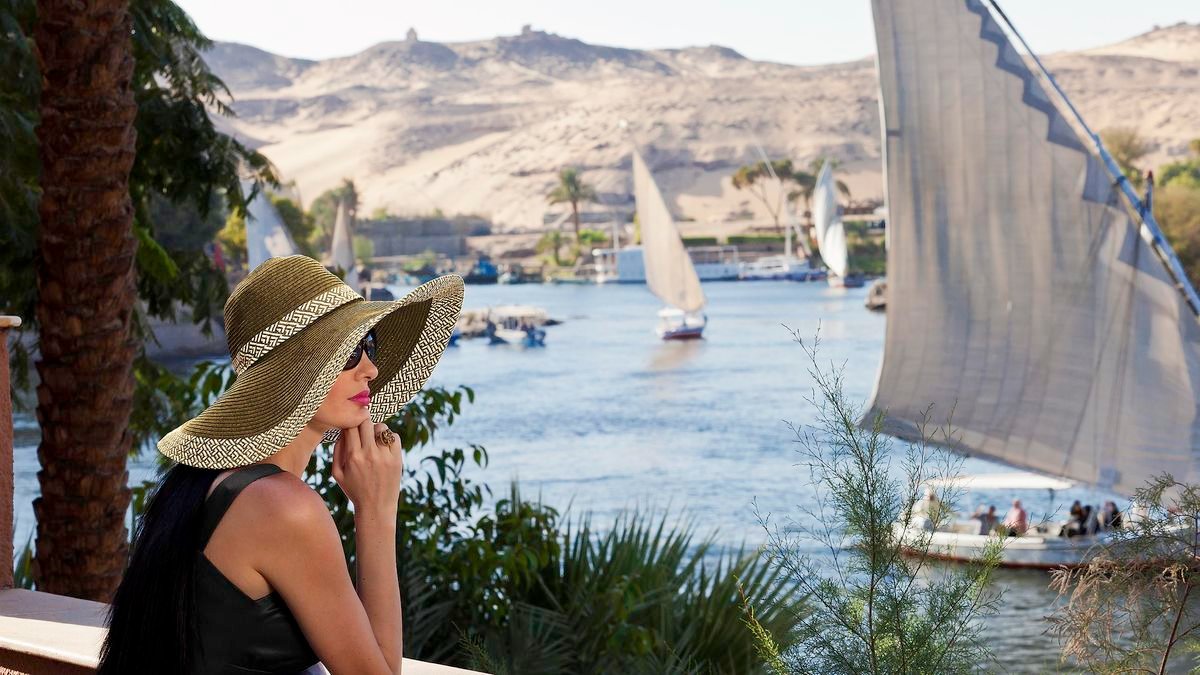
Aswan is where the Nile feels most beautiful, with granite boulders, islands and traditional sailboats on the water. Philae Temple, dedicated to the goddess Isis, was moved to Agilkia Island to save it from the waters behind the Aswan High Dam, and it is reached by a short motorboat ride. The High Dam and the Unfinished Obelisk are common stops, and a felucca ride at sunset is a classic way to end the day. Aswan is also the base for Abu Simbel, about 280 km to the southwest, where the temples of Ramses II and Queen Nefertari are carved into the mountainside. The pace is gentler than in the other two cities, and it makes a natural place to rest.

Cairo is loud, crowded and full of energy, and it rewards travelers who enjoy city life, markets and traffic. Luxor is quieter but still busy with tourists, and its days are built around early starts at the temples and long, hot afternoons. Aswan is the most relaxed, with a slower rhythm and fewer crowds, and it suits travelers who want to unwind. If you like variety, the contrast between the three is one of the best parts of the trip. If you prefer a calmer experience, you can lean towards Luxor and Aswan and keep Cairo to a short stay.

For Old Kingdom history and the pyramids, Cairo is the place. For the New Kingdom, with its royal tombs and giant temples, Luxor is the highlight. For Nubian history, the later temples and the story of the High Dam, Aswan adds a distinctive chapter. Together, they cover thousands of years of Egyptian history, from the first pyramids to the Greek and Roman era temples at Philae. If you have a strong interest in a particular period, that can help you decide where to spend your time.

Cairo is the most moderate of the three, with winter days around 68°F (20°C) and summer highs that regularly pass 104°F (40°C). Luxor and Aswan are hotter, especially from late spring through summer, with afternoon temperatures that make long walks difficult. October through April is the most comfortable season for all three, with cooler days that make sightseeing far easier. If you must travel in summer, plan early starts at the temples, long midday breaks and indoor stops such as the museums. Our guide to the best time of year to visit Egypt can help you choose your dates.

Cairo deserves two to three days, with one for Giza and the Grand Egyptian Museum and another for the historic city. Luxor deserves two days, one for each bank of the river. Aswan deserves one to two days, with a second day for Abu Simbel or a slower pace. A trip covering all three therefore takes about seven to eight days with travel time, and ten days if you want to add a Nile cruise or a few beach days. Our 4 days Cairo and Aswan tour package shows how a shorter version works.

The three cities are far apart, but getting between them is easy. A short domestic flight links Cairo with Luxor and Aswan, and it is the fastest way to move, saving most of a day compared with ground travel. A Nile cruise is the most relaxing way to link Luxor and Aswan, usually taking four nights from Luxor, with temples at Edfu and Kom Ombo along the way. Travelers who prefer a quieter, smaller boat can choose a Dahabiya. On our private tours, flights, transfers and airport assistance are arranged for you, so you do not have to handle the logistics yourself.

If you can only visit one, choose Cairo, because it holds the Pyramids and the Grand Egyptian Museum, and it is the easiest to reach. Our Cairo city break from USA packages and 4-day Cairo tour package show how to organize a short stay. If you have already seen the Pyramids or you love temples, Luxor is the stronger choice. If you want the most relaxed trip and care more about scenery than monuments, Aswan is a good pick, though it is easiest to reach with Abu Simbel and a stop in Luxor.

For most first-time visitors, Cairo and Luxor is the best pair. It gives you the Pyramids and the museums in the capital and the temples and tombs in Upper Egypt, and it fits comfortably into five to six days. Our Cairo and Luxor classic tour packages from the USA put the two together in one plan. Cairo and Aswan, with Abu Simbel, is a good alternative for travelers who want the river and the temples of Ramses II, and our 4 days Cairo and Abu Simbel tour package shows how.

If you have seven to ten days, seeing all three gives the most complete picture of Egypt. A typical plan spends two to three days in Cairo, flies to Luxor for two days, then continues on a Nile cruise to Aswan, with an optional trip to Abu Simbel. Our 6 days luxury tour of Cairo, Luxor, Aswan and Abu Simbel and all-inclusive classic Egypt tours show how the pieces fit. If you want to finish with rest, a few days on the Red Sea work well after the sightseeing.

If you want more than the classic three, the Red Sea and Alexandria are easy additions. Hurghada works well as a beach finish, and Alexandria offers a cooler Mediterranean change of scene. Our 4 days Cairo and Alexandria tour shows how to add it to a Cairo stay. These extras suit travelers with ten days or more, and they make the trip feel more like a holiday than a sightseeing marathon.

October through April is the best season for all three destinations, with cooler weather that makes outdoor sightseeing more comfortable, though it is also the busiest and priciest period. May through September is hotter, especially in Luxor and Aswan, but it often brings lower prices and thinner crowds, with early starts at the temples. Christmas, New Year and Easter are busier and pricier, so book early if your dates fall in those windows. Spring and autumn offer a good balance of comfortable weather and manageable crowds.
Pack light, breathable clothing, comfortable walking shoes, sun protection and modest wear for mosques and temples. Start sightseeing early, drink plenty of water and keep small bills for tips. US passport holders need a tourist visa, which can be obtained on arrival at Cairo Airport or applied for online. A private guide and driver make long distances and busy sites far easier, and our private Egypt tours let you set your own pace.
There is no single right answer, only the best choice for your time, interests and pace. Choose Cairo if you want the Pyramids and the museums, add Luxor for the temples, and add Aswan if you want the river and Abu Simbel. When you are ready to turn this into a real itinerary, our luxury Egypt tours and Egypt luxury holidays are good places to start, and our team can build the plan around your dates.
Discover now our answers to the most common questions that may come to your mind about tourism and trips to Egypt
Cultural, historical, adventure, and custom customized trips are just a few of the tours that Deluxe trips offer in Egypt and Jordan.
The Dead Sea, Petra in Jordan, the Pyramids of Giza, Luxor's historic temples, and many other famous sites can be expected to be explored with Deluxe Tours.
offer a hassle-free holiday, Deluxe Tours' packages generally include lodging, transport, meals, guided tours with experienced local experts, and entry fees to attractions.
Spring (March to May) and fall (September to November) offer the finest weather for sightseeing and outdoor activities, making those months the best times to visit Egypt and Jordan.
These two countries are close by, only a 1.5-hour flight apart, and when combined, offer a variety of distinctive experiences. We advise you to spend at least 12 days visiting both countries for a truly unforgettable experience
Combining the eclipse viewing with visits to historic sites like the Pyramids of Giza, the Valley of the Kings, and a Nile River cruise are highly recommended.
Yes, all classic tours include professional, licensed Egyptologist guides who provide in-depth historical insights at every site. Private guide options are also available for a more personalized experience.
Absolutely. We offer fully customizable itineraries based on your travel dates, budget, hotel preferences, cruise category, and specific interests such as photography, history, adventure, or luxury travel.
Classic Tour packages typically offer 4-star and 5-star hotels in Cairo and luxury Nile cruises. Boutique and ultra-luxury accommodations can also be arranged upon request.
Yes, Egypt’s main tourist destinations such as Cairo, Luxor, Aswan, and the Red Sea resorts are considered safe and well-secured. Our tours provide private transportation, licensed guides, and 24/7 on-ground support to ensure a safe and comfortable experience.
Classic Egypt Tours may take you on more extensive journeys (7–10 days) that explore Luxor, Aswan, and the Nile Valley, or they can be short trips (3–4 days) that focus on Cairo and Giza.
Yes, these tours are suitable for families, couples, solo travelers, and seniors. The pace can be adjusted, and private transportation ensures comfort throughout the journey.
Yes, U.S. passport holders require a tourist visa. It can be obtained upon arrival at Cairo Airport or applied for online through Egypt’s e-visa system.
Abu Simbel Temples are located in southern Egypt near the Sudanese border, about 280 km (175 miles) southwest of Aswan, on the western bank of Lake Nasser.
The temples were built by Pharaoh Ramesses II in the 13th century BC. They are famous for their colossal statues and for the incredible relocation project in the 1960s to save them from flooding after the construction of the Aswan High Dam.
Usually, no. Most Nile Cruises sail between Luxor and Aswan. While they don't sail to Abu Simbel, almost all cruises offer it as an optional add-on excursion while the ship is docked in Aswan.
Visitors usually spend 2–3 hours exploring both the Great Temple of Ramesses II and the Temple of Queen Nefertari.
Yes. The site is accessible and relatively flat, but the heat can be intense. Early morning visits are recommended for families and seniors.
Absolutely. The scale, history, and preservation story of Abu Simbel make it one of Egypt’s most breathtaking archaeological sites and a highlight of any trip to Egypt.
Yes! Unlike the Great Sphinx, your entry ticket includes access to the inner chambers of both the Great Temple of Ramesses II and the Temple of Nefertari. You can walk all the way back to the "Holy of Holies" sanctuary.
The Abu Simbel Sun Festival happens twice a year (around February 22 and October 22). On these dates, sunlight illuminates the inner sanctuary statues, an incredible ancient astronomical achievement.
Yes, it is commonly done as a day trip from Aswan, typically departing very early in the morning and returning by early afternoon.
Absolutely. The scale, history, and preservation story of Abu Simbel make it one of Egypt’s most breathtaking archaeological sites and a highlight of any trip to Egypt.
Most itineraries combine cultural highlights such as Cairo, Luxor, and Aswan with Red Sea resort cities like Hurghada, Sharm El Sheikh, or Marsa Alam.
Most tours include 2–4 nights at a Red Sea resort after exploring historical sites. Travelers looking for more relaxation often extend their stay.
Yes. The Red Sea is considered one of the world’s top diving destinations thanks to its rich marine life, colorful coral reefs, and exceptional underwater visibility.
Absolutely. Many itineraries combine a Nile cruise between Luxor and Aswan with a beach stay in Hurghada or Sharm El Sheikh.
Last. Use the Red Sea as your "recovery" period after the early mornings and heavy walking of the Pyramids and Nile cruises.
Major Red Sea resort areas are well-developed tourist destinations with strong security measures and established tourism infrastructure.
No. All resorts offer "Intro Dives" for beginners. Snorkeling is also excellent right off the hotel jetties.
Each resort area offers a different experience:
Hurghada – Ideal for families, all-inclusive resorts, and easy access from the Nile Valley.
Sharm El Sheikh – Known for luxury resorts, vibrant nightlife, and world-class diving.
Marsa Alam – Perfect for tranquility, eco-lodges, and untouched reefs.
El Gouna – A stylish lagoon-style resort town with a boutique atmosphere.
Your choice depends on whether you prefer relaxation, diving, nightlife, or exclusivity.
The Red Sea can be visited year-round. The period from October to April offers pleasantly warm temperatures ideal for sightseeing and beach relaxation, while the summer months are hotter but perfect for those who love long sunny days by the sea.
During your stay along the Red Sea, you can enjoy snorkeling, scuba diving, boat trips to nearby islands, desert safaris, spa treatments and relaxing on private beaches. Many resorts also offer water sports, sunset cruises, and evening entertainment programs.
During your stay along the Red Sea, you can enjoy snorkeling, scuba diving, boat trips to nearby islands, desert safaris, spa treatments and relaxing on private beaches. Many resorts also offer water sports, sunset cruises, and evening entertainment programs.
Our luxury tours focus on exclusivity, comfort, and personalized service. Instead of large group travel, you enjoy private guided visits, premium accommodations, seamless transfers, and carefully curated experiences that allow you to explore Egypt at your own pace with expert attention to detail.
Yes, many of our luxury packages feature a premium Nile cruise between Luxor and Aswan. Guests stay aboard high-end cruise vessels offering spacious suites, gourmet dining, spa services, and panoramic views of the Nile.
We carefully select five-star hotels and boutique luxury properties known for their exceptional service and prime locations. In Cairo, guests often enjoy stays near the pyramids or along the Nile, while in Upper Egypt and the Red Sea, we choose elegant resorts and heritage-inspired hotels that provide both comfort and authenticity.
Yes, our Egypt Luxury Tours are primarily private, allowing you to travel with your own dedicated Egyptologist guide and professional driver. This ensures flexibility, privacy, and a more immersive experience at every historical site.
Absolutely. Each luxury journey can be fully tailored to your interests, whether you prefer extended time at archaeological sites, exclusive dining experiences, spa retreats, or additional nights on the Red Sea. We design each itinerary to match your travel style and preferences.
Yes, our luxury packages typically include VIP airport meet-and-assist services at Cairo International Airport, ensuring a smooth arrival and departure experience with fast-track support.
These tours are perfect for couples, honeymooners, families seeking privacy, executive travelers, and anyone who values comfort, exclusivity, and personalized service while discovering Egypt’s timeless heritage.
Yes, primarily because you are never "on your own" in transit. You are escorted from the moment you land until you depart. Luxury tours also use vetted, high-security hotels and private transport, which minimizes the risk of common scams or petty theft.
Depending on availability and preference, we can arrange private pyramid visits, VIP access to selected sites, gourmet dinners with Nile views, spa treatments, and special cultural experiences that elevate your journey beyond traditional sightseeing.
Egypt offers extraordinary history and breathtaking landscapes. Experiencing it through a luxury journey allows you to explore iconic temples, cruise the Nile in elegance, and relax in world-class resorts, all while enjoying seamless service and refined comfort from beginning to end.
Egypt Budget Holidays are carefully designed travel packages that allow you to explore the country’s most iconic attractions at an affordable price. These tours combine smart planning, well-organized itineraries, and comfortable accommodations to ensure you experience the highlights of destinations such as Cairo, Luxor, and Aswan without stretching your budget.
Most budget itineraries include Egypt’s top highlights such as Cairo, Luxor, and Aswan. Travelers can visit the legendary Great Pyramid of Giza, explore ancient temples along the Nile, and experience local culture — all at an affordable price.
Excluding international flights, a well-planned budget itinerary usually costs between $800 and $1,100 USD. This includes domestic travel (trains/buses), entry fees, street food, and guesthouse accommodation.
Budget tours typically include clean and comfortable 3-star or quality 4-star hotels in convenient locations. While accommodations may not be luxury properties, they offer good service, essential amenities, and a pleasant stay after a full day of sightseeing.
Yes, budget tours are professionally guided by experienced Egyptologists who provide valuable historical insights at each site. Group tours are common in budget packages, helping reduce overall costs while maintaining a rich cultural experience.
Yes, budget packages typically include airport transfers, intercity transportation by air-conditioned vehicles or trains, and domestic flights when necessary, depending on the itinerary.
Absolutely. Budget holidays are popular among solo travelers, students, couples, and families looking for affordable adventures. Group settings can also be a great way to meet fellow travelers from around the world.
Egypt stands out as an ideal destination for travelers seeking exceptional value without sacrificing unforgettable experiences. The country brings together world-famous monuments, rich cultural traditions, and breathtaking landscapes, all available at comparatively affordable prices. From the ancient pyramids to majestic temples and a scenic Nile cruise, visitors can enjoy remarkable highlights while keeping expenses under control.
The "Shoulder Seasons" (May, September, and October) offer the best balance. You’ll find hotel rates 20–30% lower than the winter peak, and the heat is still manageable compared to the mid-summer blast.
Many budget tours offer flexible options, allowing you to add extra excursions, upgrade hotels or extend your stay. Optional visits to sites like Abu Simbel Temples can often be arranged at an additional cost.
Egypt offers couples a rare blend of romance, history, and exotic beauty. From watching the sunset beside the pyramids in Giza to sailing peacefully along the Nile near Aswan, every moment feels timeless and unforgettable. The atmosphere of ancient wonders combined with elegant hospitality creates a truly magical setting for newlyweds.
Most honeymoon itineraries include romantic stays in Cairo, cultural exploration in Luxor, and relaxing escapes in Red Sea destinations such as Sharm El Sheikh or Hurghada. This combination allows couples to balance discovery with privacy and relaxation.
Luxor Hot Air Balloon: Drifting over the Valley of the Kings at sunrise.
Private Felucca at Sunset: A 2-hour private sail in Aswan with traditional music and snacks.
Pyramid Dinner: Dining at 9 Pyramids Lounge or 139 Pavilion at the Mena House, where the pyramids are your backdrop.
Yes, Egypt Honeymoon Tours are typically arranged as private journeys, giving couples the freedom to explore at their own pace with a dedicated guide and private transfers. This ensures comfort, flexibility and intimate moments throughout the trip.
Honeymoon packages feature carefully selected four- and five-star hotels, boutique properties, and luxury resorts known for their romantic ambiance. Couples may enjoy Nile-view rooms, private balconies, spa treatments, and beachfront suites designed for comfort and privacy.
Absolutely. After exploring ancient temples and historic sites, couples can unwind on the pristine beaches of the Red Sea, enjoy spa treatments, or simply relax in a tranquil resort setting.
The most popular months for honeymoons are from October to April, when the weather is pleasantly warm and ideal for sightseeing and beach relaxation. However, Egypt remains a year-round destination for romance and discovery.
For international couples, a marriage certificate is not required to share a hotel room or cruise cabin. However, bringing a copy can sometimes help you secure "honeymooner" perks and upgrades at check-in.
Yes, every honeymoon can be tailored to reflect your personal style and preferences. Whether you envision more cultural exploration, additional beach relaxation in Sharm El Sheikh or a luxury retreat in Hurghada, your itinerary can be adjusted to create the perfect romantic balance.
Yes, Egypt is a year-round destination. The cooler months from autumn through spring are especially popular for honeymoons due to pleasant weather, while summer months offer sunny beach escapes and attractive resort offers.
Egypt combines ancient history, breathtaking landscapes, and serene coastal retreats in one extraordinary setting. From exploring legendary monuments to relaxing by the sea, it offers couples a rare opportunity to celebrate their love surrounded by beauty, culture, and unforgettable experiences.