Cultural, historical, adventure, and custom customized trips are just a few of the tours that Deluxe trips offer in Egypt and Jordan.

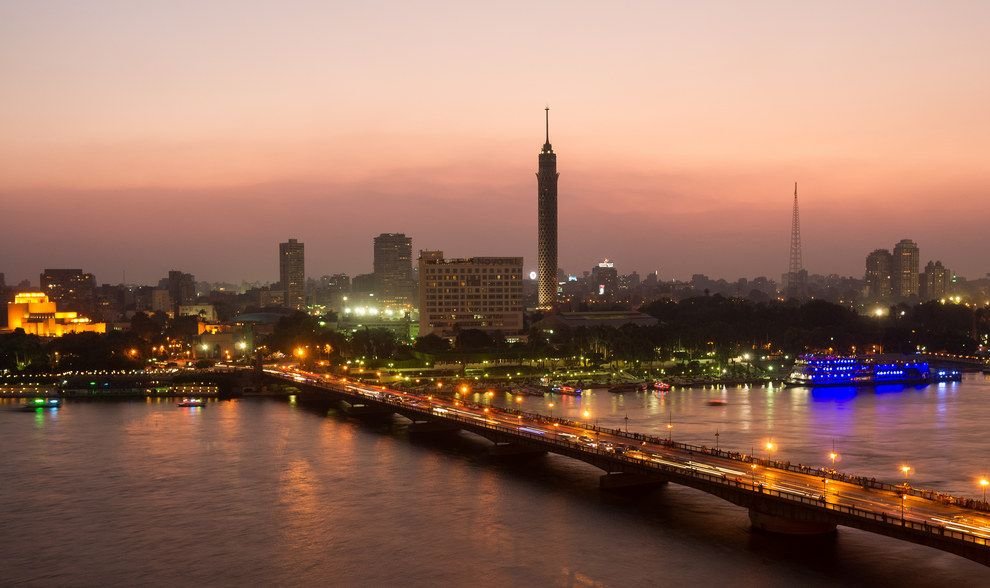
Cairo makes an excellent base for day trips, because so many of Egypt’s best sights sit within a few hours of the city. You can see the Pyramids in the morning, a museum at lunch and the oldest pyramid in the country by the afternoon, all without changing hotels. The harder question is which trips are worth doing, and which ones are worth booking with a private guide instead of going alone. At Deluxe Tours Egypt, we plan Cairo days for travelers from the USA, and this guide ranks the best day trips, explains what each one involves and shows where a private guide makes the biggest difference.
The best day trip depends on how much time you have, how far you are willing to travel and what you most want to see. Some options are short and close, such as Giza and Saqqara, while others take most of a day by road, such as Alexandria or the Fayoum. It also helps to think about heat and energy, since a long day in summer takes more out of you than a short winter outing. A simple rule is to match the trip to the type of experience you want, whether that is ancient history, medieval Cairo, the Mediterranean coast or desert scenery. Cairo offers all of these within a day’s reach.
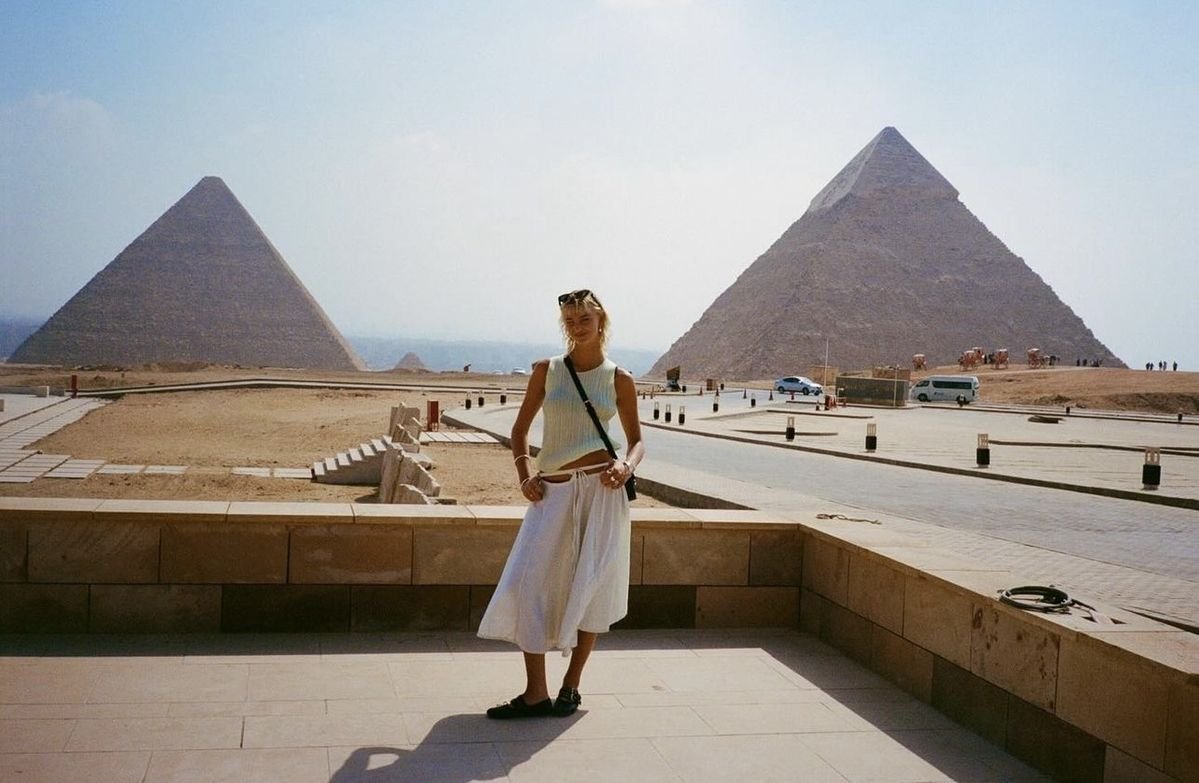
A private guide matters most when a site is large, poorly signposted or easy to misunderstand without context. An Egyptologist explains what you are looking at, shows you the details you would otherwise walk past and handles tickets, queues and persistent sellers so that you can focus on the experience. A private vehicle also removes the stress of arranging transport, especially for sites that are scattered or far from the city. The trade-off is cost, so the sensible approach is to book a private guide for the trips where context and logistics really matter, and keep the simpler outings relaxed. Our guide to what to expect from a private luxury Egypt tour explains how a private day works.
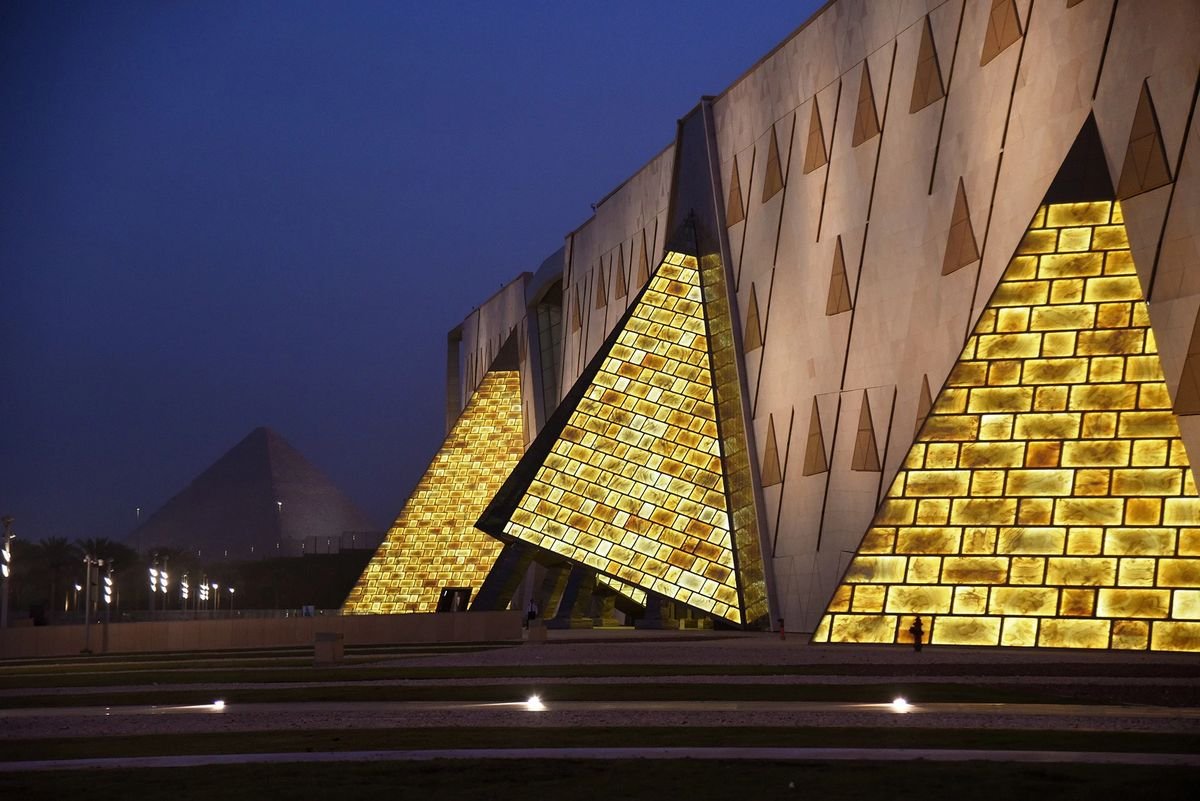
The classic first day trip is the Giza Plateau combined with the Grand Egyptian Museum, and it is the one where a private guide is most worth the cost. The Giza Pyramids and the Sphinx are crowded and busy, with many offers at the entrances, and a guide helps you move through the site in the right order and at the best time of day. The Grand Egyptian Museum is vast, so an Egyptologist helps you choose the highlights, such as the colossal statue of Ramses II and the Tutankhamun collection, instead of wandering. Our private Giza Pyramids and Grand Egyptian Museum tour takes about six hours, and our exclusive Grand Egyptian Museum private tour focuses on the museum alone.
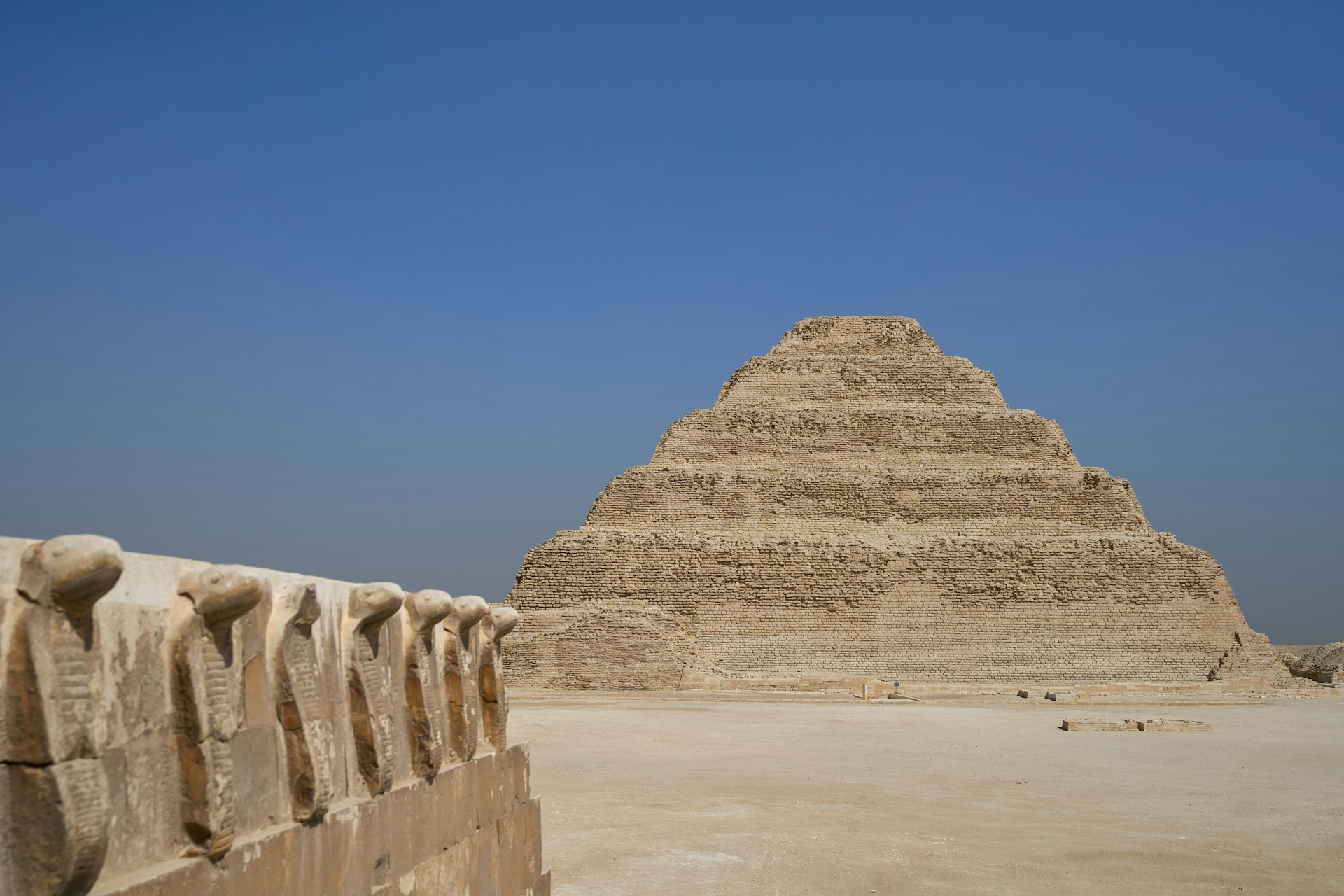
This is the best day trip for travelers who want to understand how the pyramids developed, and it is one where a guide adds real value. Saqqara has the Step Pyramid of Djoser, the first pyramid ever built, rising in six steps to about 62 meters, and Memphis was the ancient capital of the Old Kingdom, with an open-air museum that includes a large statue of Ramses II. Dahshur is quieter still and is known for the Bent Pyramid and the Red Pyramid, which show the early experiments that led to the smooth-sided design of Giza. These sites are spread out and have little explanation on the ground, so a guide and driver make the day far smoother. A full-day tour that links them takes about eight hours, and a shorter version takes about six, which fits easily into a Cairo itinerary.
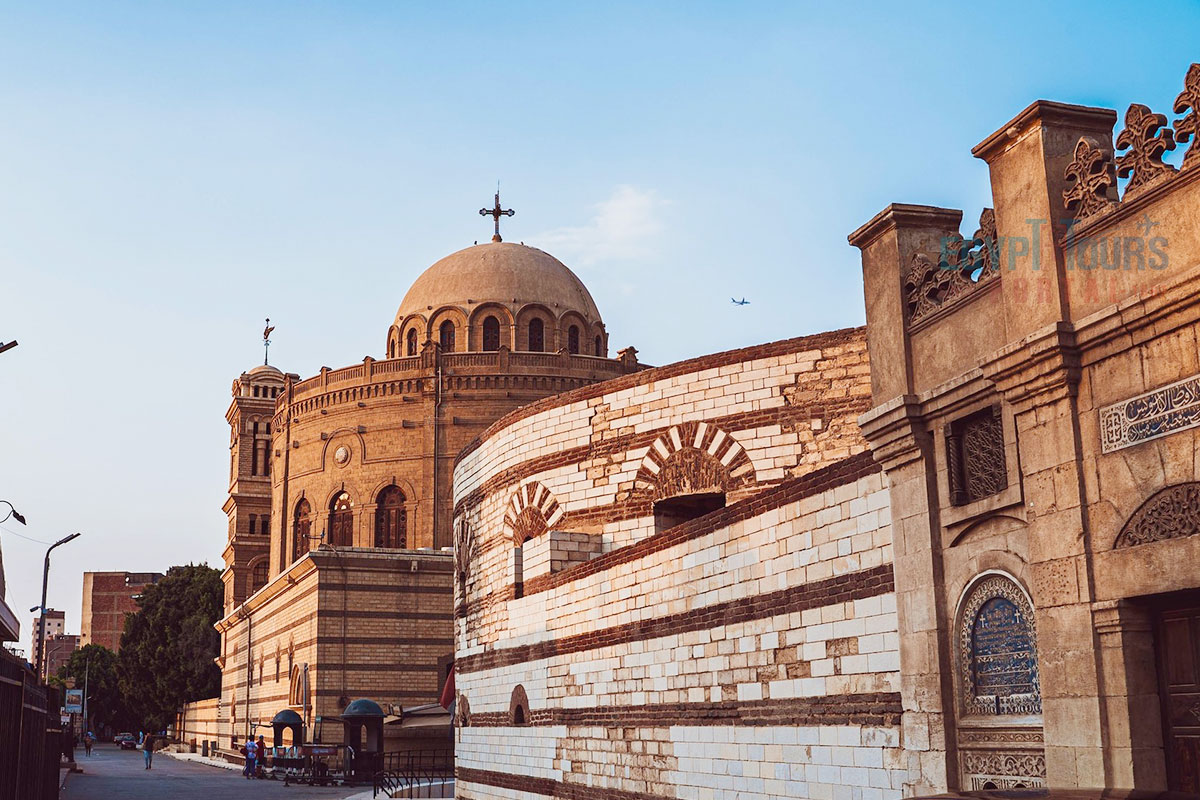
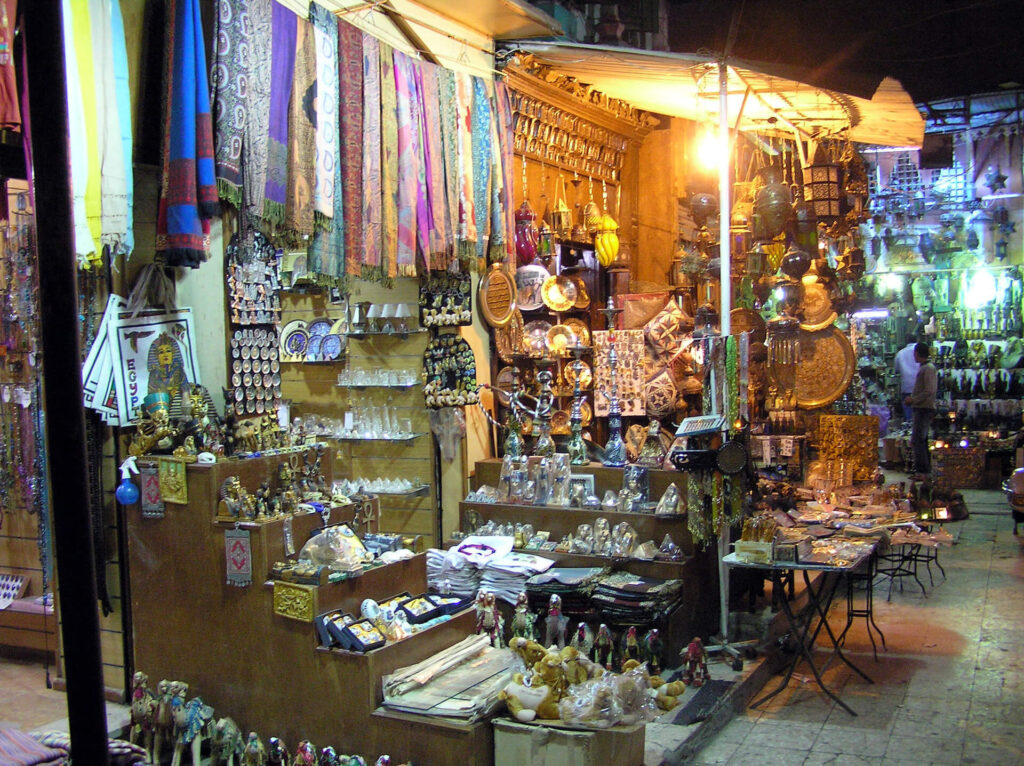
The medieval city is one of the most rewarding day trips, and it is also one of the easiest places to feel lost without help. Old Cairo holds ancient churches, the Salah El Din Citadel and the Mohamed Ali Mosque, while Al Muizz Street leads to the Khan El Khalili Bazaar, a market that has been active since 970 AD. The streets are narrow, the history is layered and the stories behind each building are what bring the area to life, so a guide makes a very big difference here. The National Museum of Egyptian Civilization in Fustat, which houses the Royal Mummies Hall, is nearby and fits into the same day. Our guides to the best things to do in Cairo and 25 must-do experiences in Cairo show what to include.
Alexandria is the best day trip for a change of scene, and it is also the longest. The full-day tour from Cairo takes about 12 hours, with the drive each way taking a good part of the day, so a private vehicle and a guide help you make the most of the time on the ground. Alexandria offers Greek, Roman and medieval layers, including the Qaitbay Citadel, the Bibliotheca Alexandrina, the Alexandria National Museum and the Catacombs of Kom El Shoqafa, with a cooler Mediterranean breeze than Cairo. If you would rather not spend half the day in a car, our 4 days Cairo and Alexandria tour and 5 days Cairo and Alexandria tour give you more time in the city.

For nature and scenery, the Fayoum is a refreshing change from the city, about a 10-hour round trip with Wadi Rayan and its lakes and waterfalls as the main attraction. The landscape is green and open, with desert meeting water, and it suits travelers who enjoy being outdoors more than visiting monuments. A guide is less critical here than at the ancient sites, but a private driver is very valuable, because the distances are long and public transport is limited. A longer version adds the Valley of the Whales, or Wadi Hitan, a UNESCO site where ancient whale fossils lie in the desert. It is a good choice for repeat visitors who have already seen the main monuments.

Two further options suit specific tastes. Wadi El Natrun, in the desert between Cairo and Alexandria, is known for its ancient Coptic monasteries, which are still active and give a window into early Christian Egypt. El Alamein, on the Mediterranean coast, is known for its World War II cemeteries and museum, and it suits travelers with an interest in modern history. Both are long days, and both benefit from a private driver, and a guide helps with the context. They are less common than the classic trips, so they work best for travelers who already have a reason to go.

For travelers who cannot give Luxor a full stay, a private day trip by flight is possible, with an early flight from Cairo and a late return. It is a 12-hour day that usually covers the East and West Banks, including the Valley of the Kings and Karnak, with a guide meeting you at the airport. It is a rewarding but tiring option, and a private guide is essential, because the schedule is tight and every transfer must run on time. If you have the choice, a stay of two days in Luxor is far more relaxed, and our guide to the Valley of the Kings explains what you will see.

Not every outing needs a private guide. An evening stroll through the Khan El Khalili bazaar, a coffee in a historic café or a walk along the Nile at sunset are all easy to enjoy on your own. A first visit to the Pyramids is also possible without a guide, although you will see and understand far less. The best approach is to book a guide for the days where history and logistics matter most, and keep one or two evenings free to wander. This keeps the cost reasonable and the trip relaxed.
If you have three or four days, a good plan is Giza and the Grand Egyptian Museum on day one, Saqqara, Memphis and Dahshur on day two, and Islamic and Coptic Cairo on day three. A fourth day can be Alexandria or a rest day before your flight home. Our 4-day Cairo tour package puts the main sights into a single plan, and our Cairo city break from USA packages show how to organize a short stay. For travelers continuing south, a Nile cruise is the natural next step.
The best day trips from Cairo are the Pyramids and the Grand Egyptian Museum, Saqqara, Memphis and Dahshur, and the medieval city, and those are also the ones where a private guide adds the most. Alexandria and the Fayoum are worth the longer drive for the right traveler, and a private vehicle makes them far easier. When you are ready to turn this into a real plan, our private Egypt tours and luxury Egypt tours are good places to start, and our team can build the itinerary around your dates.
Discover now our answers to the most common questions that may come to your mind about tourism and trips to Egypt
Cultural, historical, adventure, and custom customized trips are just a few of the tours that Deluxe trips offer in Egypt and Jordan.
The Dead Sea, Petra in Jordan, the Pyramids of Giza, Luxor's historic temples, and many other famous sites can be expected to be explored with Deluxe Tours.
offer a hassle-free holiday, Deluxe Tours' packages generally include lodging, transport, meals, guided tours with experienced local experts, and entry fees to attractions.
Spring (March to May) and fall (September to November) offer the finest weather for sightseeing and outdoor activities, making those months the best times to visit Egypt and Jordan.
These two countries are close by, only a 1.5-hour flight apart, and when combined, offer a variety of distinctive experiences. We advise you to spend at least 12 days visiting both countries for a truly unforgettable experience
Combining the eclipse viewing with visits to historic sites like the Pyramids of Giza, the Valley of the Kings, and a Nile River cruise are highly recommended.
Yes, all classic tours include professional, licensed Egyptologist guides who provide in-depth historical insights at every site. Private guide options are also available for a more personalized experience.
Absolutely. We offer fully customizable itineraries based on your travel dates, budget, hotel preferences, cruise category, and specific interests such as photography, history, adventure, or luxury travel.
Classic Tour packages typically offer 4-star and 5-star hotels in Cairo and luxury Nile cruises. Boutique and ultra-luxury accommodations can also be arranged upon request.
Yes, Egypt’s main tourist destinations such as Cairo, Luxor, Aswan, and the Red Sea resorts are considered safe and well-secured. Our tours provide private transportation, licensed guides, and 24/7 on-ground support to ensure a safe and comfortable experience.
Classic Egypt Tours may take you on more extensive journeys (7–10 days) that explore Luxor, Aswan, and the Nile Valley, or they can be short trips (3–4 days) that focus on Cairo and Giza.
Yes, these tours are suitable for families, couples, solo travelers, and seniors. The pace can be adjusted, and private transportation ensures comfort throughout the journey.
Yes, U.S. passport holders require a tourist visa. It can be obtained upon arrival at Cairo Airport or applied for online through Egypt’s e-visa system.
Abu Simbel Temples are located in southern Egypt near the Sudanese border, about 280 km (175 miles) southwest of Aswan, on the western bank of Lake Nasser.
The temples were built by Pharaoh Ramesses II in the 13th century BC. They are famous for their colossal statues and for the incredible relocation project in the 1960s to save them from flooding after the construction of the Aswan High Dam.
Usually, no. Most Nile Cruises sail between Luxor and Aswan. While they don't sail to Abu Simbel, almost all cruises offer it as an optional add-on excursion while the ship is docked in Aswan.
Visitors usually spend 2–3 hours exploring both the Great Temple of Ramesses II and the Temple of Queen Nefertari.
Yes. The site is accessible and relatively flat, but the heat can be intense. Early morning visits are recommended for families and seniors.
Absolutely. The scale, history, and preservation story of Abu Simbel make it one of Egypt’s most breathtaking archaeological sites and a highlight of any trip to Egypt.
Yes! Unlike the Great Sphinx, your entry ticket includes access to the inner chambers of both the Great Temple of Ramesses II and the Temple of Nefertari. You can walk all the way back to the "Holy of Holies" sanctuary.
The Abu Simbel Sun Festival happens twice a year (around February 22 and October 22). On these dates, sunlight illuminates the inner sanctuary statues, an incredible ancient astronomical achievement.
Yes, it is commonly done as a day trip from Aswan, typically departing very early in the morning and returning by early afternoon.
Absolutely. The scale, history, and preservation story of Abu Simbel make it one of Egypt’s most breathtaking archaeological sites and a highlight of any trip to Egypt.
Most itineraries combine cultural highlights such as Cairo, Luxor, and Aswan with Red Sea resort cities like Hurghada, Sharm El Sheikh, or Marsa Alam.
Most tours include 2–4 nights at a Red Sea resort after exploring historical sites. Travelers looking for more relaxation often extend their stay.
Yes. The Red Sea is considered one of the world’s top diving destinations thanks to its rich marine life, colorful coral reefs, and exceptional underwater visibility.
Absolutely. Many itineraries combine a Nile cruise between Luxor and Aswan with a beach stay in Hurghada or Sharm El Sheikh.
Last. Use the Red Sea as your "recovery" period after the early mornings and heavy walking of the Pyramids and Nile cruises.
Major Red Sea resort areas are well-developed tourist destinations with strong security measures and established tourism infrastructure.
No. All resorts offer "Intro Dives" for beginners. Snorkeling is also excellent right off the hotel jetties.
Each resort area offers a different experience:
Hurghada – Ideal for families, all-inclusive resorts, and easy access from the Nile Valley.
Sharm El Sheikh – Known for luxury resorts, vibrant nightlife, and world-class diving.
Marsa Alam – Perfect for tranquility, eco-lodges, and untouched reefs.
El Gouna – A stylish lagoon-style resort town with a boutique atmosphere.
Your choice depends on whether you prefer relaxation, diving, nightlife, or exclusivity.
The Red Sea can be visited year-round. The period from October to April offers pleasantly warm temperatures ideal for sightseeing and beach relaxation, while the summer months are hotter but perfect for those who love long sunny days by the sea.
During your stay along the Red Sea, you can enjoy snorkeling, scuba diving, boat trips to nearby islands, desert safaris, spa treatments and relaxing on private beaches. Many resorts also offer water sports, sunset cruises, and evening entertainment programs.
During your stay along the Red Sea, you can enjoy snorkeling, scuba diving, boat trips to nearby islands, desert safaris, spa treatments and relaxing on private beaches. Many resorts also offer water sports, sunset cruises, and evening entertainment programs.
Our luxury tours focus on exclusivity, comfort, and personalized service. Instead of large group travel, you enjoy private guided visits, premium accommodations, seamless transfers, and carefully curated experiences that allow you to explore Egypt at your own pace with expert attention to detail.
Yes, many of our luxury packages feature a premium Nile cruise between Luxor and Aswan. Guests stay aboard high-end cruise vessels offering spacious suites, gourmet dining, spa services, and panoramic views of the Nile.
We carefully select five-star hotels and boutique luxury properties known for their exceptional service and prime locations. In Cairo, guests often enjoy stays near the pyramids or along the Nile, while in Upper Egypt and the Red Sea, we choose elegant resorts and heritage-inspired hotels that provide both comfort and authenticity.
Yes, our Egypt Luxury Tours are primarily private, allowing you to travel with your own dedicated Egyptologist guide and professional driver. This ensures flexibility, privacy, and a more immersive experience at every historical site.
Absolutely. Each luxury journey can be fully tailored to your interests, whether you prefer extended time at archaeological sites, exclusive dining experiences, spa retreats, or additional nights on the Red Sea. We design each itinerary to match your travel style and preferences.
Yes, our luxury packages typically include VIP airport meet-and-assist services at Cairo International Airport, ensuring a smooth arrival and departure experience with fast-track support.
These tours are perfect for couples, honeymooners, families seeking privacy, executive travelers, and anyone who values comfort, exclusivity, and personalized service while discovering Egypt’s timeless heritage.
Yes, primarily because you are never "on your own" in transit. You are escorted from the moment you land until you depart. Luxury tours also use vetted, high-security hotels and private transport, which minimizes the risk of common scams or petty theft.
Depending on availability and preference, we can arrange private pyramid visits, VIP access to selected sites, gourmet dinners with Nile views, spa treatments, and special cultural experiences that elevate your journey beyond traditional sightseeing.
Egypt offers extraordinary history and breathtaking landscapes. Experiencing it through a luxury journey allows you to explore iconic temples, cruise the Nile in elegance, and relax in world-class resorts, all while enjoying seamless service and refined comfort from beginning to end.
Egypt Budget Holidays are carefully designed travel packages that allow you to explore the country’s most iconic attractions at an affordable price. These tours combine smart planning, well-organized itineraries, and comfortable accommodations to ensure you experience the highlights of destinations such as Cairo, Luxor, and Aswan without stretching your budget.
Most budget itineraries include Egypt’s top highlights such as Cairo, Luxor, and Aswan. Travelers can visit the legendary Great Pyramid of Giza, explore ancient temples along the Nile, and experience local culture — all at an affordable price.
Excluding international flights, a well-planned budget itinerary usually costs between $800 and $1,100 USD. This includes domestic travel (trains/buses), entry fees, street food, and guesthouse accommodation.
Budget tours typically include clean and comfortable 3-star or quality 4-star hotels in convenient locations. While accommodations may not be luxury properties, they offer good service, essential amenities, and a pleasant stay after a full day of sightseeing.
Yes, budget tours are professionally guided by experienced Egyptologists who provide valuable historical insights at each site. Group tours are common in budget packages, helping reduce overall costs while maintaining a rich cultural experience.
Yes, budget packages typically include airport transfers, intercity transportation by air-conditioned vehicles or trains, and domestic flights when necessary, depending on the itinerary.
Absolutely. Budget holidays are popular among solo travelers, students, couples, and families looking for affordable adventures. Group settings can also be a great way to meet fellow travelers from around the world.
Egypt stands out as an ideal destination for travelers seeking exceptional value without sacrificing unforgettable experiences. The country brings together world-famous monuments, rich cultural traditions, and breathtaking landscapes, all available at comparatively affordable prices. From the ancient pyramids to majestic temples and a scenic Nile cruise, visitors can enjoy remarkable highlights while keeping expenses under control.
The "Shoulder Seasons" (May, September, and October) offer the best balance. You’ll find hotel rates 20–30% lower than the winter peak, and the heat is still manageable compared to the mid-summer blast.
Many budget tours offer flexible options, allowing you to add extra excursions, upgrade hotels or extend your stay. Optional visits to sites like Abu Simbel Temples can often be arranged at an additional cost.
Egypt offers couples a rare blend of romance, history, and exotic beauty. From watching the sunset beside the pyramids in Giza to sailing peacefully along the Nile near Aswan, every moment feels timeless and unforgettable. The atmosphere of ancient wonders combined with elegant hospitality creates a truly magical setting for newlyweds.
Most honeymoon itineraries include romantic stays in Cairo, cultural exploration in Luxor, and relaxing escapes in Red Sea destinations such as Sharm El Sheikh or Hurghada. This combination allows couples to balance discovery with privacy and relaxation.
Luxor Hot Air Balloon: Drifting over the Valley of the Kings at sunrise.
Private Felucca at Sunset: A 2-hour private sail in Aswan with traditional music and snacks.
Pyramid Dinner: Dining at 9 Pyramids Lounge or 139 Pavilion at the Mena House, where the pyramids are your backdrop.
Yes, Egypt Honeymoon Tours are typically arranged as private journeys, giving couples the freedom to explore at their own pace with a dedicated guide and private transfers. This ensures comfort, flexibility and intimate moments throughout the trip.
Honeymoon packages feature carefully selected four- and five-star hotels, boutique properties, and luxury resorts known for their romantic ambiance. Couples may enjoy Nile-view rooms, private balconies, spa treatments, and beachfront suites designed for comfort and privacy.
Absolutely. After exploring ancient temples and historic sites, couples can unwind on the pristine beaches of the Red Sea, enjoy spa treatments, or simply relax in a tranquil resort setting.
The most popular months for honeymoons are from October to April, when the weather is pleasantly warm and ideal for sightseeing and beach relaxation. However, Egypt remains a year-round destination for romance and discovery.
For international couples, a marriage certificate is not required to share a hotel room or cruise cabin. However, bringing a copy can sometimes help you secure "honeymooner" perks and upgrades at check-in.
Yes, every honeymoon can be tailored to reflect your personal style and preferences. Whether you envision more cultural exploration, additional beach relaxation in Sharm El Sheikh or a luxury retreat in Hurghada, your itinerary can be adjusted to create the perfect romantic balance.
Yes, Egypt is a year-round destination. The cooler months from autumn through spring are especially popular for honeymoons due to pleasant weather, while summer months offer sunny beach escapes and attractive resort offers.
Egypt combines ancient history, breathtaking landscapes, and serene coastal retreats in one extraordinary setting. From exploring legendary monuments to relaxing by the sea, it offers couples a rare opportunity to celebrate their love surrounded by beauty, culture, and unforgettable experiences.