Cultural, historical, adventure, and custom customized trips are just a few of the tours that Deluxe trips offer in Egypt and Jordan.

Some trips take you to one place. This one takes you through three entirely different versions of Egypt: the dense, monumental history of Cairo, the open-air temple museum that is Luxor, and the turquoise stillness of the Red Sea at Hurghada. Few countries let you move through this much contrast in a single vacation, and fewer still make it feel this seamless. Here's what each chapter of the trip actually involves.
Every version of this trip starts in Cairo, and for good reason. This is where Egypt's history is at its most concentrated, and where the pace of the trip is set from the very first morning.
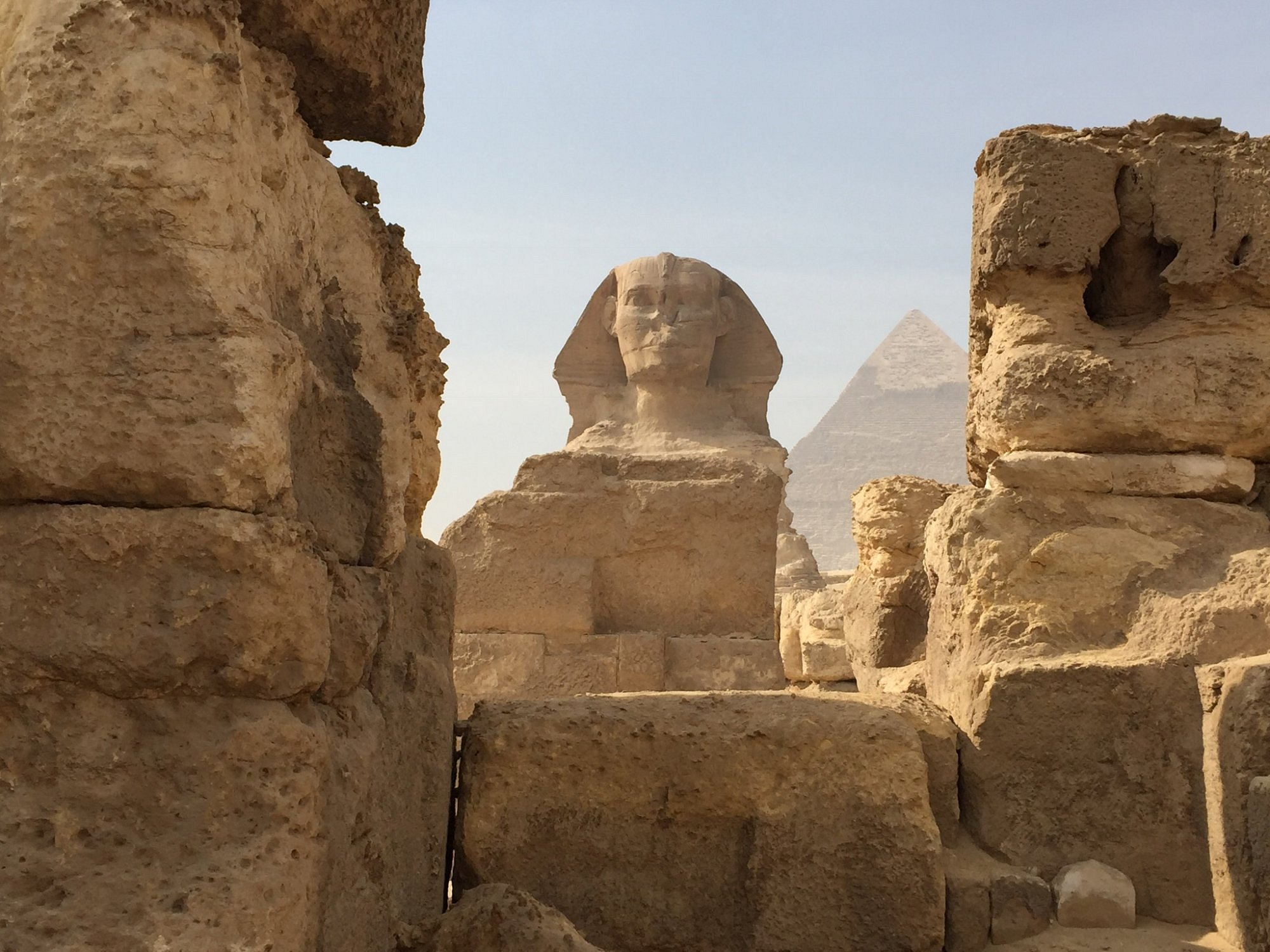
At the Giza Pyramids, you stand in front of the last surviving wonder of the ancient world, structures so precisely engineered that modern visitors still debate exactly how they were built. The Egyptian Museum picks up where the monuments leave off, holding thousands of years of Pharaonic artifacts under one roof. And Khan El Khalili bazaar brings the trip firmly back into the present, a working market that's been trading since the 14th century, loud and alive in a way the monuments aren't.
Two to three days here is typical, enough to cover the essentials without rushing through any of them.
From Cairo, the trip usually continues south by domestic flight to Luxor, ancient Thebes, and the shift in scenery is immediate. This is where Egypt's temples reach their fullest scale.
At Karnak Temple, the largest religious complex ever built, you walk through a hall of 134 towering columns that took more than a thousand years to complete. Across the river, the Valley of the Kings holds more than sixty tombs cut into the hillside, including the tomb of Tutankhamun, richly decorated with scenes meant to guide pharaohs into the afterlife. Nearby, the mortuary temple of Queen Hatshepsut and the towering Colossi of Memnon round out a day that genuinely earns Luxor's reputation as the world's largest open-air museum.
Some itineraries extend this chapter with a Nile cruise toward Aswan, adding Edfu, Kom Ombo, and Philae to the journey. Others keep it to a focused day or two in Luxor before continuing on, depending on how much time the whole trip allows.

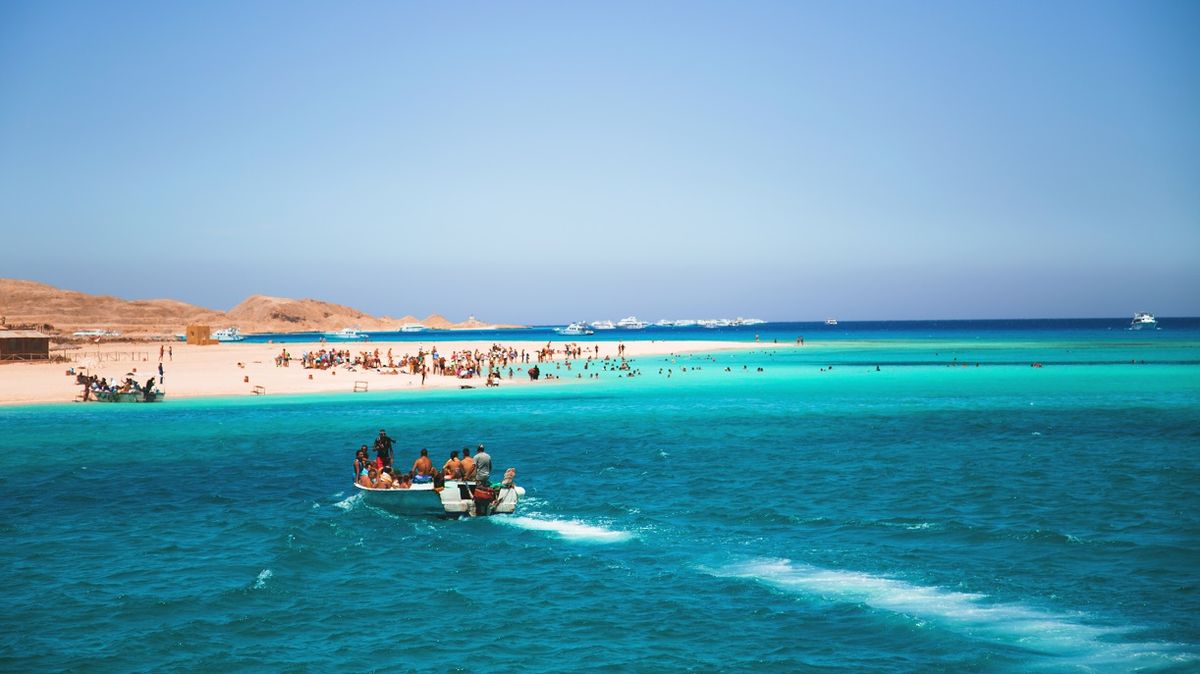
After two chapters of guided, history-heavy days, Hurghada is where the trip finally slows down. This stretch of Red Sea coastline is built for the opposite of what came before it: open days, warm water, and nothing scheduled unless you want it to be.
Most travelers spend their time here between the beach, the resort, and the water itself, snorkeling or diving out to the coral reefs around Giftun Island, known for some of the clearest visibility and richest marine life on this stretch of coast. For anyone who wants a little more activity, a desert safari into the surrounding landscape is a popular add-on, a sharp contrast to the sea just a short drive away.

Plenty of Egypt trips cover Cairo and a Nile cruise, or Cairo and a Red Sea resort. What sets a Cairo, Luxor, and Hurghada vacation apart is that it doesn't ask you to choose between depth and rest, it gives you both, in full, back to back. You leave Cairo having seen the foundations of ancient Egyptian civilization, leave Luxor having walked through its grandest surviving temples, and leave Hurghada having actually unwound rather than just passed through.

A trip built this way usually runs ten to twelve days: two to three in Cairo, two to four in Luxor depending on whether a Nile cruise is included, and the remainder, often the longest single stretch, in Hurghada. Shorter versions compress each chapter; longer versions extend the Red Sea portion further, since that's consistently the part travelers want more of once they've arrived.

A few things are worth locking down ahead of time: whether the Cairo-to-Luxor and Luxor-to-Hurghada legs are flights or longer overland transfers, whether a Nile cruise is built into the Luxor chapter or kept separate, and whether diving or snorkeling excursions in Hurghada are included or priced as optional extras. Getting these settled in advance makes it far easier to know exactly what each day of the trip will look like.

Few countries offer this particular range in a single vacation, ancient monuments, sacred temples, and open sea, all connected by short domestic flights rather than long overland journeys. That's what makes a Cairo, Luxor, and Hurghada vacation feel like something other trips simply can't replicate: not one kind of Egypt, but three, each given the time it deserves.
Discover now our answers to the most common questions that may come to your mind about tourism and trips to Egypt
Cultural, historical, adventure, and custom customized trips are just a few of the tours that Deluxe trips offer in Egypt and Jordan.
The Dead Sea, Petra in Jordan, the Pyramids of Giza, Luxor's historic temples, and many other famous sites can be expected to be explored with Deluxe Tours.
offer a hassle-free holiday, Deluxe Tours' packages generally include lodging, transport, meals, guided tours with experienced local experts, and entry fees to attractions.
Spring (March to May) and fall (September to November) offer the finest weather for sightseeing and outdoor activities, making those months the best times to visit Egypt and Jordan.
These two countries are close by, only a 1.5-hour flight apart, and when combined, offer a variety of distinctive experiences. We advise you to spend at least 12 days visiting both countries for a truly unforgettable experience
Combining the eclipse viewing with visits to historic sites like the Pyramids of Giza, the Valley of the Kings, and a Nile River cruise are highly recommended.
Yes, all classic tours include professional, licensed Egyptologist guides who provide in-depth historical insights at every site. Private guide options are also available for a more personalized experience.
Absolutely. We offer fully customizable itineraries based on your travel dates, budget, hotel preferences, cruise category, and specific interests such as photography, history, adventure, or luxury travel.
Classic Tour packages typically offer 4-star and 5-star hotels in Cairo and luxury Nile cruises. Boutique and ultra-luxury accommodations can also be arranged upon request.
Yes, Egypt’s main tourist destinations such as Cairo, Luxor, Aswan, and the Red Sea resorts are considered safe and well-secured. Our tours provide private transportation, licensed guides, and 24/7 on-ground support to ensure a safe and comfortable experience.
Classic Egypt Tours may take you on more extensive journeys (7–10 days) that explore Luxor, Aswan, and the Nile Valley, or they can be short trips (3–4 days) that focus on Cairo and Giza.
Yes, these tours are suitable for families, couples, solo travelers, and seniors. The pace can be adjusted, and private transportation ensures comfort throughout the journey.
Yes, U.S. passport holders require a tourist visa. It can be obtained upon arrival at Cairo Airport or applied for online through Egypt’s e-visa system.
Abu Simbel Temples are located in southern Egypt near the Sudanese border, about 280 km (175 miles) southwest of Aswan, on the western bank of Lake Nasser.
The temples were built by Pharaoh Ramesses II in the 13th century BC. They are famous for their colossal statues and for the incredible relocation project in the 1960s to save them from flooding after the construction of the Aswan High Dam.
Usually, no. Most Nile Cruises sail between Luxor and Aswan. While they don't sail to Abu Simbel, almost all cruises offer it as an optional add-on excursion while the ship is docked in Aswan.
Visitors usually spend 2–3 hours exploring both the Great Temple of Ramesses II and the Temple of Queen Nefertari.
Yes. The site is accessible and relatively flat, but the heat can be intense. Early morning visits are recommended for families and seniors.
Absolutely. The scale, history, and preservation story of Abu Simbel make it one of Egypt’s most breathtaking archaeological sites and a highlight of any trip to Egypt.
Yes! Unlike the Great Sphinx, your entry ticket includes access to the inner chambers of both the Great Temple of Ramesses II and the Temple of Nefertari. You can walk all the way back to the "Holy of Holies" sanctuary.
The Abu Simbel Sun Festival happens twice a year (around February 22 and October 22). On these dates, sunlight illuminates the inner sanctuary statues, an incredible ancient astronomical achievement.
Yes, it is commonly done as a day trip from Aswan, typically departing very early in the morning and returning by early afternoon.
Absolutely. The scale, history, and preservation story of Abu Simbel make it one of Egypt’s most breathtaking archaeological sites and a highlight of any trip to Egypt.
Most itineraries combine cultural highlights such as Cairo, Luxor, and Aswan with Red Sea resort cities like Hurghada, Sharm El Sheikh, or Marsa Alam.
Most tours include 2–4 nights at a Red Sea resort after exploring historical sites. Travelers looking for more relaxation often extend their stay.
Yes. The Red Sea is considered one of the world’s top diving destinations thanks to its rich marine life, colorful coral reefs, and exceptional underwater visibility.
Absolutely. Many itineraries combine a Nile cruise between Luxor and Aswan with a beach stay in Hurghada or Sharm El Sheikh.
Last. Use the Red Sea as your "recovery" period after the early mornings and heavy walking of the Pyramids and Nile cruises.
Major Red Sea resort areas are well-developed tourist destinations with strong security measures and established tourism infrastructure.
No. All resorts offer "Intro Dives" for beginners. Snorkeling is also excellent right off the hotel jetties.
Each resort area offers a different experience:
Hurghada – Ideal for families, all-inclusive resorts, and easy access from the Nile Valley.
Sharm El Sheikh – Known for luxury resorts, vibrant nightlife, and world-class diving.
Marsa Alam – Perfect for tranquility, eco-lodges, and untouched reefs.
El Gouna – A stylish lagoon-style resort town with a boutique atmosphere.
Your choice depends on whether you prefer relaxation, diving, nightlife, or exclusivity.
The Red Sea can be visited year-round. The period from October to April offers pleasantly warm temperatures ideal for sightseeing and beach relaxation, while the summer months are hotter but perfect for those who love long sunny days by the sea.
During your stay along the Red Sea, you can enjoy snorkeling, scuba diving, boat trips to nearby islands, desert safaris, spa treatments and relaxing on private beaches. Many resorts also offer water sports, sunset cruises, and evening entertainment programs.
During your stay along the Red Sea, you can enjoy snorkeling, scuba diving, boat trips to nearby islands, desert safaris, spa treatments and relaxing on private beaches. Many resorts also offer water sports, sunset cruises, and evening entertainment programs.
Our luxury tours focus on exclusivity, comfort, and personalized service. Instead of large group travel, you enjoy private guided visits, premium accommodations, seamless transfers, and carefully curated experiences that allow you to explore Egypt at your own pace with expert attention to detail.
Yes, many of our luxury packages feature a premium Nile cruise between Luxor and Aswan. Guests stay aboard high-end cruise vessels offering spacious suites, gourmet dining, spa services, and panoramic views of the Nile.
We carefully select five-star hotels and boutique luxury properties known for their exceptional service and prime locations. In Cairo, guests often enjoy stays near the pyramids or along the Nile, while in Upper Egypt and the Red Sea, we choose elegant resorts and heritage-inspired hotels that provide both comfort and authenticity.
Yes, our Egypt Luxury Tours are primarily private, allowing you to travel with your own dedicated Egyptologist guide and professional driver. This ensures flexibility, privacy, and a more immersive experience at every historical site.
Absolutely. Each luxury journey can be fully tailored to your interests, whether you prefer extended time at archaeological sites, exclusive dining experiences, spa retreats, or additional nights on the Red Sea. We design each itinerary to match your travel style and preferences.
Yes, our luxury packages typically include VIP airport meet-and-assist services at Cairo International Airport, ensuring a smooth arrival and departure experience with fast-track support.
These tours are perfect for couples, honeymooners, families seeking privacy, executive travelers, and anyone who values comfort, exclusivity, and personalized service while discovering Egypt’s timeless heritage.
Yes, primarily because you are never "on your own" in transit. You are escorted from the moment you land until you depart. Luxury tours also use vetted, high-security hotels and private transport, which minimizes the risk of common scams or petty theft.
Depending on availability and preference, we can arrange private pyramid visits, VIP access to selected sites, gourmet dinners with Nile views, spa treatments, and special cultural experiences that elevate your journey beyond traditional sightseeing.
Egypt offers extraordinary history and breathtaking landscapes. Experiencing it through a luxury journey allows you to explore iconic temples, cruise the Nile in elegance, and relax in world-class resorts, all while enjoying seamless service and refined comfort from beginning to end.
Egypt Budget Holidays are carefully designed travel packages that allow you to explore the country’s most iconic attractions at an affordable price. These tours combine smart planning, well-organized itineraries, and comfortable accommodations to ensure you experience the highlights of destinations such as Cairo, Luxor, and Aswan without stretching your budget.
Most budget itineraries include Egypt’s top highlights such as Cairo, Luxor, and Aswan. Travelers can visit the legendary Great Pyramid of Giza, explore ancient temples along the Nile, and experience local culture — all at an affordable price.
Excluding international flights, a well-planned budget itinerary usually costs between $800 and $1,100 USD. This includes domestic travel (trains/buses), entry fees, street food, and guesthouse accommodation.
Budget tours typically include clean and comfortable 3-star or quality 4-star hotels in convenient locations. While accommodations may not be luxury properties, they offer good service, essential amenities, and a pleasant stay after a full day of sightseeing.
Yes, budget tours are professionally guided by experienced Egyptologists who provide valuable historical insights at each site. Group tours are common in budget packages, helping reduce overall costs while maintaining a rich cultural experience.
Yes, budget packages typically include airport transfers, intercity transportation by air-conditioned vehicles or trains, and domestic flights when necessary, depending on the itinerary.
Absolutely. Budget holidays are popular among solo travelers, students, couples, and families looking for affordable adventures. Group settings can also be a great way to meet fellow travelers from around the world.
Egypt stands out as an ideal destination for travelers seeking exceptional value without sacrificing unforgettable experiences. The country brings together world-famous monuments, rich cultural traditions, and breathtaking landscapes, all available at comparatively affordable prices. From the ancient pyramids to majestic temples and a scenic Nile cruise, visitors can enjoy remarkable highlights while keeping expenses under control.
The "Shoulder Seasons" (May, September, and October) offer the best balance. You’ll find hotel rates 20–30% lower than the winter peak, and the heat is still manageable compared to the mid-summer blast.
Many budget tours offer flexible options, allowing you to add extra excursions, upgrade hotels or extend your stay. Optional visits to sites like Abu Simbel Temples can often be arranged at an additional cost.
Egypt offers couples a rare blend of romance, history, and exotic beauty. From watching the sunset beside the pyramids in Giza to sailing peacefully along the Nile near Aswan, every moment feels timeless and unforgettable. The atmosphere of ancient wonders combined with elegant hospitality creates a truly magical setting for newlyweds.
Most honeymoon itineraries include romantic stays in Cairo, cultural exploration in Luxor, and relaxing escapes in Red Sea destinations such as Sharm El Sheikh or Hurghada. This combination allows couples to balance discovery with privacy and relaxation.
Luxor Hot Air Balloon: Drifting over the Valley of the Kings at sunrise.
Private Felucca at Sunset: A 2-hour private sail in Aswan with traditional music and snacks.
Pyramid Dinner: Dining at 9 Pyramids Lounge or 139 Pavilion at the Mena House, where the pyramids are your backdrop.
Yes, Egypt Honeymoon Tours are typically arranged as private journeys, giving couples the freedom to explore at their own pace with a dedicated guide and private transfers. This ensures comfort, flexibility and intimate moments throughout the trip.
Honeymoon packages feature carefully selected four- and five-star hotels, boutique properties, and luxury resorts known for their romantic ambiance. Couples may enjoy Nile-view rooms, private balconies, spa treatments, and beachfront suites designed for comfort and privacy.
Absolutely. After exploring ancient temples and historic sites, couples can unwind on the pristine beaches of the Red Sea, enjoy spa treatments, or simply relax in a tranquil resort setting.
The most popular months for honeymoons are from October to April, when the weather is pleasantly warm and ideal for sightseeing and beach relaxation. However, Egypt remains a year-round destination for romance and discovery.
For international couples, a marriage certificate is not required to share a hotel room or cruise cabin. However, bringing a copy can sometimes help you secure "honeymooner" perks and upgrades at check-in.
Yes, every honeymoon can be tailored to reflect your personal style and preferences. Whether you envision more cultural exploration, additional beach relaxation in Sharm El Sheikh or a luxury retreat in Hurghada, your itinerary can be adjusted to create the perfect romantic balance.
Yes, Egypt is a year-round destination. The cooler months from autumn through spring are especially popular for honeymoons due to pleasant weather, while summer months offer sunny beach escapes and attractive resort offers.
Egypt combines ancient history, breathtaking landscapes, and serene coastal retreats in one extraordinary setting. From exploring legendary monuments to relaxing by the sea, it offers couples a rare opportunity to celebrate their love surrounded by beauty, culture, and unforgettable experiences.