Cultural, historical, adventure, and custom customized trips are just a few of the tours that Deluxe trips offer in Egypt and Jordan.

An effortless journey across Egypt requires more than just a flight ticket; it demands thoughtful curation to truly unlock thousands of years of living history. From the towering stone monuments of the Pharaohs to the tranquil waters of the Nile River, navigating this ancient landscape with insider expertise turns a simple vacation into an unforgettable expedition.
This comprehensive guide from Deluxe Tours Egypt outlines the ultimate highlights for travelers seeking the best cairo and nile cruise packages, blending world-famous wonders with refined cultural experiences.
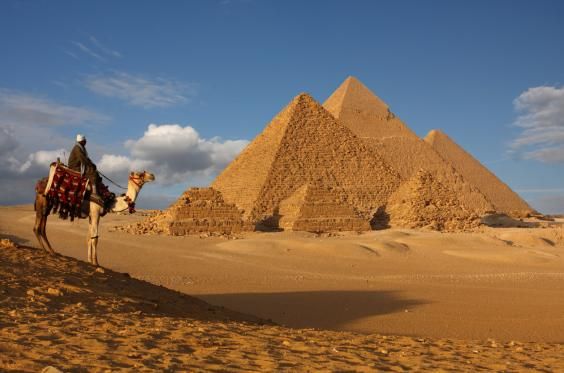
No trip to Egypt is complete without standing before the last remaining wonder of the ancient world. The Pyramids of Giza continue to puzzle modern engineering with their sheer scale and mathematical precision, while the enigmatic Great Sphinx stands guard beside them. Exploring the Giza Plateau offers a remarkable first look into the ancient Egyptian belief in the afterlife.
Practical Tip: Arrive early in the morning to beat the afternoon desert heat and heavy crowds, and consider pre-booking access inside the Great Pyramid if you want to explore the inner chambers.

Situated near the Pyramids, the Grand Egyptian Museum represents a breathtaking modern homage to ancient history. Home to tens of thousands of priceless artifacts—including the complete, glorious treasure collection of King Tutankhamun—this state-of-the-art facility is the largest archaeological museum complex in the world.
Practical Tip: Reserve skip-the-line entry tickets in advance, as limited daily entry slots sell out quickly during peak travel seasons.

Immerse your senses in the vibrant atmosphere of Khan el-Khalili, Cairo's iconic 14th-century open-air bazaar. The narrow alleyways are filled with the scents of exotic spices, the glimmer of brass lamps, and handcrafted jewelry. It remains one of the best places in the city to experience authentic Egyptian coffeehouse culture at the famous El Fishawy Cafe.
Practical Tip: Sharpen your friendly bargaining skills before buying souvenirs, and carry small Egyptian pound notes for easier transactions.

Set high atop the Mokattam Hills, the Citadel of Saladin served as the seat of Egyptian government for nearly 700 years. Inside its historic fortress walls stands the stunning Ottoman-style Mosque of Muhammad Ali, often called the Alabaster Mosque due to its marble-clad interior and towering minarets that dominate the Cairo skyline.
Practical Tip: Remove your shoes or wear provided shoe covers before stepping onto the carpeted interior of the mosque, and dress modestly covering shoulders and knees.

Coptic Cairo occupies a corner of the 2nd-century Roman Fortress of Babylon, and traces of that original fortification are still visible if you know where to look—the round bastions flanking the entrance stairway down to Old Cairo's Hanging Church are part of the actual Roman gatehouse the church was built on top of centuries later. A few steps away, the Church of St. Sergius and Bacchus sits above a crypt that local tradition ties to the Holy Family's stay in Egypt.
Practical Tip: Ask your guide to point out where the fortress walls end and the later church construction begins—it's easy to miss without someone showing you the seam between the two.

After traveling south to Upper Egypt, your Nile experience begins in Luxor at the legendary Valley of the Kings. Cut deep into the desert mountains, these subterranean tombs were built for New Kingdom Pharaohs and feature vividly preserved wall paintings that look as fresh as if painted yesterday.
Practical Tip: Your general admission ticket covers three tombs, but additional tickets are required for special chambers like King Tutankhamun or Seti I.

Karnak wasn't built in one reign—it grew over nearly 1,500 years, with successive pharaohs adding pylons, obelisks, and shrines to the complex as a way of writing themselves into its history. That layering is visible if you know what to look for: Hatshepsut's obelisk stands taller than the pylon built centuries later around it, and cartouches from different dynasties overlap on the same columns where later rulers simply carved over earlier ones.
Practical Tip: Ask your guide to point out where one pharaoh's construction visibly interrupts another's—it's a more interesting way to read the site than just admiring the scale.

Unlike most ancient Egyptian temples, Luxor Temple has never stopped being used for worship—a 13th-century mosque, the Abu Haggag Mosque, still sits atop part of the site, its minaret rising directly above the ancient columns below. Excavators found it built over a layer of an even older Christian church, which itself replaced a Roman legionary chapel, making this single spot a rare record of four different religious eras stacked on top of one another.
Practical Tip: Look up while you're inside the temple courtyard—the mosque's minaret framed against the pharaonic columns is one of the more unusual sightlines in Luxor.

Because the Temple of Horus at Edfu was buried under desert sand and silt for centuries before 19th-century excavation, it escaped much of the damage other temples suffered—the roof, inner chambers, and even original ceiling paint survived largely intact. The temple's walls are also covered in inscriptions describing the annual ritual battle reenactment between Horus and Seth, performed here by ancient priests as a piece of religious theater.
Practical Tip: Look for the inscribed texts near the inner sanctuary describing the Horus-Seth ritual drama—your guide can translate the highlights if you ask specifically.

The dual design of Kom Ombo Temple wasn't just architectural symmetry for its own sake—ancient Egyptians associated crocodiles with the god Sobek partly out of genuine fear, since the Nile here was once thick with them, and honoring Sobek alongside the falcon god Haroeris was thought to keep the river's dangers in balance. The mummified crocodiles now in the adjacent museum were pulled from a nearby sacred animal cemetery, where priests once bred and mummified them as living embodiments of the god.
Practical Tip: The museum's crocodile mummies vary dramatically in size, from hatchlings to massive adults—worth the short walk even if you're short on time at the main temple.

Rescuing Philae Temple from Lake Nasser's rising waters in the 1960s and 70s was one of the largest engineering feats in archaeological history: UNESCO's team cut the entire complex into more than 40,000 individual blocks, catalogued each one, and reassembled the temple stone by stone on higher ground at Agilkia Island—recreating even the original island's contours to match where the temple once stood.
Practical Tip: Look for small engraved numbers on some of the temple's stone blocks—leftover markings from the reconstruction team's original cataloguing system.

The felucca itself hasn't changed much in centuries—it's the same lateen-sail design ancient Egyptians used on the Nile, with no engine, no keel ballast, and a hull shape built to catch the lightest breeze off the water. Sailing around Elephantine Island near Aswan on one means moving at the same pace and in near-total silence, the way river travel here worked long before motorized boats existed.
Practical Tip: The best time for cairo and nile cruise sailing is during the cooler months between October and April, when steady winds make for a smoother, more reliable felucca ride around the islands.

Abu Simbel's greatest engineering feat isn't the original carving—it's the rescue. When Lake Nasser threatened to submerge the temples in the 1960s, engineers sliced the entire complex into over 1,000 blocks and reassembled it 65 meters higher and 200 meters back from the water, inside an artificial mountain built to replicate the original setting. The original solar alignment was also recalculated and preserved, so twice a year sunlight still reaches deep into the inner sanctuary exactly as ancient priests designed it.
Practical Tip: Ask your guide about the solar alignment dates (typically late February and October)—if your visit happens to land near one, it's worth timing your arrival around it.

The vivid colors on Nubian houses aren't just decorative—they carry meaning. Traditional Nubian families near Aswan painted geometric patterns and specific color combinations onto their homes to mark family identity, ward off misfortune, and in some cases signal that a resident had completed the pilgrimage to Mecca. Many families also keep small Nile crocodiles near their entrances, a tradition tied to old beliefs about protection and hospitality.
Practical Tip: Ask a local host what the specific patterns and colors on their house mean—the symbolism often varies from family to family.

For a quieter, off-the-beaten-path experience away from major tourist crowds, cross the river at Aswan to explore the Tombs of the Nobles. Carved into the sandstone cliffs, these rock-cut tombs belong to ancient governors and officials, offering intimate glimpses of daily life and stunning panoramic views across the Nile Valley.
Practical Tip: Be prepared for a steep climb up the cliffside staircases, but the rewarding views at the top are well worth the effort.

The logistics of a Cairo-to-Aswan trip actually break into three completely different transport modes, each solving a different problem: private air-conditioned cars handle Cairo's dense, unpredictable traffic where public transit or walking between sites simply isn't practical; domestic flights cover the roughly 700 miles to Upper Egypt in under an hour, versus a 10-plus hour drive or overnight train; and the Nile cruise itself becomes the transport for the Luxor-Aswan leg, meaning you only unpack once for that entire stretch. Choosing cairo luxor aswan tour packages that bundle all three modes together is really about avoiding three separate booking headaches, not just comfort.
Practical Tip: If your itinerary is under 10 days, flying between Cairo and Luxor/Aswan (rather than driving) preserves far more time for actual sightseeing.
Egypt's Tourism Police is actually a specialized force separate from regular police, established specifically to assist visitors—many officers speak multiple languages and are stationed specifically at monuments, museums, and transit hubs rather than patrolling generally. They can help with everything from lost documents to disputes with vendors, and are generally the first point of contact for any travel-related issue rather than regular law enforcement. Beyond that layer of support, common-sense habits like sticking with licensed operators and drinking bottled water go a long way, and knowing rough cairo and nile cruise cost ranges ahead of time helps you spot a fair price versus an inflated one.
Practical Tip: Tourism Police officers are usually easy to identify by their distinct uniforms (often black or white with a tourism police insignia)—don't hesitate to approach them directly if you need help.
What actually separates a smooth Egypt trip from a stressful one usually comes down to a handful of specific handoffs: who meets you at the airport, who's arranged your VIP entry tickets before you arrive at the gate, and whether your Egyptologist guide is assigned to your group specifically rather than shared across a bus tour. A cairo nile cruise 7 day itinerary built around private cairo and nile cruise tours means those handoffs are pre-arranged rather than figured out on the fly. Reach out to our specialists to start building your itinerary with our elite egypt tour packages with nile cruise.
Discover now our answers to the most common questions that may come to your mind about tourism and trips to Egypt
Cultural, historical, adventure, and custom customized trips are just a few of the tours that Deluxe trips offer in Egypt and Jordan.
The Dead Sea, Petra in Jordan, the Pyramids of Giza, Luxor's historic temples, and many other famous sites can be expected to be explored with Deluxe Tours.
offer a hassle-free holiday, Deluxe Tours' packages generally include lodging, transport, meals, guided tours with experienced local experts, and entry fees to attractions.
Spring (March to May) and fall (September to November) offer the finest weather for sightseeing and outdoor activities, making those months the best times to visit Egypt and Jordan.
These two countries are close by, only a 1.5-hour flight apart, and when combined, offer a variety of distinctive experiences. We advise you to spend at least 12 days visiting both countries for a truly unforgettable experience
Combining the eclipse viewing with visits to historic sites like the Pyramids of Giza, the Valley of the Kings, and a Nile River cruise are highly recommended.
Yes, all classic tours include professional, licensed Egyptologist guides who provide in-depth historical insights at every site. Private guide options are also available for a more personalized experience.
Absolutely. We offer fully customizable itineraries based on your travel dates, budget, hotel preferences, cruise category, and specific interests such as photography, history, adventure, or luxury travel.
Classic Tour packages typically offer 4-star and 5-star hotels in Cairo and luxury Nile cruises. Boutique and ultra-luxury accommodations can also be arranged upon request.
Yes, Egypt’s main tourist destinations such as Cairo, Luxor, Aswan, and the Red Sea resorts are considered safe and well-secured. Our tours provide private transportation, licensed guides, and 24/7 on-ground support to ensure a safe and comfortable experience.
Classic Egypt Tours may take you on more extensive journeys (7–10 days) that explore Luxor, Aswan, and the Nile Valley, or they can be short trips (3–4 days) that focus on Cairo and Giza.
Yes, these tours are suitable for families, couples, solo travelers, and seniors. The pace can be adjusted, and private transportation ensures comfort throughout the journey.
Yes, U.S. passport holders require a tourist visa. It can be obtained upon arrival at Cairo Airport or applied for online through Egypt’s e-visa system.
Abu Simbel Temples are located in southern Egypt near the Sudanese border, about 280 km (175 miles) southwest of Aswan, on the western bank of Lake Nasser.
The temples were built by Pharaoh Ramesses II in the 13th century BC. They are famous for their colossal statues and for the incredible relocation project in the 1960s to save them from flooding after the construction of the Aswan High Dam.
Usually, no. Most Nile Cruises sail between Luxor and Aswan. While they don't sail to Abu Simbel, almost all cruises offer it as an optional add-on excursion while the ship is docked in Aswan.
Visitors usually spend 2–3 hours exploring both the Great Temple of Ramesses II and the Temple of Queen Nefertari.
Yes. The site is accessible and relatively flat, but the heat can be intense. Early morning visits are recommended for families and seniors.
Absolutely. The scale, history, and preservation story of Abu Simbel make it one of Egypt’s most breathtaking archaeological sites and a highlight of any trip to Egypt.
Yes! Unlike the Great Sphinx, your entry ticket includes access to the inner chambers of both the Great Temple of Ramesses II and the Temple of Nefertari. You can walk all the way back to the "Holy of Holies" sanctuary.
The Abu Simbel Sun Festival happens twice a year (around February 22 and October 22). On these dates, sunlight illuminates the inner sanctuary statues, an incredible ancient astronomical achievement.
Yes, it is commonly done as a day trip from Aswan, typically departing very early in the morning and returning by early afternoon.
Absolutely. The scale, history, and preservation story of Abu Simbel make it one of Egypt’s most breathtaking archaeological sites and a highlight of any trip to Egypt.
Most itineraries combine cultural highlights such as Cairo, Luxor, and Aswan with Red Sea resort cities like Hurghada, Sharm El Sheikh, or Marsa Alam.
Most tours include 2–4 nights at a Red Sea resort after exploring historical sites. Travelers looking for more relaxation often extend their stay.
Yes. The Red Sea is considered one of the world’s top diving destinations thanks to its rich marine life, colorful coral reefs, and exceptional underwater visibility.
Absolutely. Many itineraries combine a Nile cruise between Luxor and Aswan with a beach stay in Hurghada or Sharm El Sheikh.
Last. Use the Red Sea as your "recovery" period after the early mornings and heavy walking of the Pyramids and Nile cruises.
Major Red Sea resort areas are well-developed tourist destinations with strong security measures and established tourism infrastructure.
No. All resorts offer "Intro Dives" for beginners. Snorkeling is also excellent right off the hotel jetties.
Each resort area offers a different experience:
Hurghada – Ideal for families, all-inclusive resorts, and easy access from the Nile Valley.
Sharm El Sheikh – Known for luxury resorts, vibrant nightlife, and world-class diving.
Marsa Alam – Perfect for tranquility, eco-lodges, and untouched reefs.
El Gouna – A stylish lagoon-style resort town with a boutique atmosphere.
Your choice depends on whether you prefer relaxation, diving, nightlife, or exclusivity.
The Red Sea can be visited year-round. The period from October to April offers pleasantly warm temperatures ideal for sightseeing and beach relaxation, while the summer months are hotter but perfect for those who love long sunny days by the sea.
During your stay along the Red Sea, you can enjoy snorkeling, scuba diving, boat trips to nearby islands, desert safaris, spa treatments and relaxing on private beaches. Many resorts also offer water sports, sunset cruises, and evening entertainment programs.
During your stay along the Red Sea, you can enjoy snorkeling, scuba diving, boat trips to nearby islands, desert safaris, spa treatments and relaxing on private beaches. Many resorts also offer water sports, sunset cruises, and evening entertainment programs.
Our luxury tours focus on exclusivity, comfort, and personalized service. Instead of large group travel, you enjoy private guided visits, premium accommodations, seamless transfers, and carefully curated experiences that allow you to explore Egypt at your own pace with expert attention to detail.
Yes, many of our luxury packages feature a premium Nile cruise between Luxor and Aswan. Guests stay aboard high-end cruise vessels offering spacious suites, gourmet dining, spa services, and panoramic views of the Nile.
We carefully select five-star hotels and boutique luxury properties known for their exceptional service and prime locations. In Cairo, guests often enjoy stays near the pyramids or along the Nile, while in Upper Egypt and the Red Sea, we choose elegant resorts and heritage-inspired hotels that provide both comfort and authenticity.
Yes, our Egypt Luxury Tours are primarily private, allowing you to travel with your own dedicated Egyptologist guide and professional driver. This ensures flexibility, privacy, and a more immersive experience at every historical site.
Absolutely. Each luxury journey can be fully tailored to your interests, whether you prefer extended time at archaeological sites, exclusive dining experiences, spa retreats, or additional nights on the Red Sea. We design each itinerary to match your travel style and preferences.
Yes, our luxury packages typically include VIP airport meet-and-assist services at Cairo International Airport, ensuring a smooth arrival and departure experience with fast-track support.
These tours are perfect for couples, honeymooners, families seeking privacy, executive travelers, and anyone who values comfort, exclusivity, and personalized service while discovering Egypt’s timeless heritage.
Yes, primarily because you are never "on your own" in transit. You are escorted from the moment you land until you depart. Luxury tours also use vetted, high-security hotels and private transport, which minimizes the risk of common scams or petty theft.
Depending on availability and preference, we can arrange private pyramid visits, VIP access to selected sites, gourmet dinners with Nile views, spa treatments, and special cultural experiences that elevate your journey beyond traditional sightseeing.
Egypt offers extraordinary history and breathtaking landscapes. Experiencing it through a luxury journey allows you to explore iconic temples, cruise the Nile in elegance, and relax in world-class resorts, all while enjoying seamless service and refined comfort from beginning to end.
Egypt Budget Holidays are carefully designed travel packages that allow you to explore the country’s most iconic attractions at an affordable price. These tours combine smart planning, well-organized itineraries, and comfortable accommodations to ensure you experience the highlights of destinations such as Cairo, Luxor, and Aswan without stretching your budget.
Most budget itineraries include Egypt’s top highlights such as Cairo, Luxor, and Aswan. Travelers can visit the legendary Great Pyramid of Giza, explore ancient temples along the Nile, and experience local culture — all at an affordable price.
Excluding international flights, a well-planned budget itinerary usually costs between $800 and $1,100 USD. This includes domestic travel (trains/buses), entry fees, street food, and guesthouse accommodation.
Budget tours typically include clean and comfortable 3-star or quality 4-star hotels in convenient locations. While accommodations may not be luxury properties, they offer good service, essential amenities, and a pleasant stay after a full day of sightseeing.
Yes, budget tours are professionally guided by experienced Egyptologists who provide valuable historical insights at each site. Group tours are common in budget packages, helping reduce overall costs while maintaining a rich cultural experience.
Yes, budget packages typically include airport transfers, intercity transportation by air-conditioned vehicles or trains, and domestic flights when necessary, depending on the itinerary.
Absolutely. Budget holidays are popular among solo travelers, students, couples, and families looking for affordable adventures. Group settings can also be a great way to meet fellow travelers from around the world.
Egypt stands out as an ideal destination for travelers seeking exceptional value without sacrificing unforgettable experiences. The country brings together world-famous monuments, rich cultural traditions, and breathtaking landscapes, all available at comparatively affordable prices. From the ancient pyramids to majestic temples and a scenic Nile cruise, visitors can enjoy remarkable highlights while keeping expenses under control.
The "Shoulder Seasons" (May, September, and October) offer the best balance. You’ll find hotel rates 20–30% lower than the winter peak, and the heat is still manageable compared to the mid-summer blast.
Many budget tours offer flexible options, allowing you to add extra excursions, upgrade hotels or extend your stay. Optional visits to sites like Abu Simbel Temples can often be arranged at an additional cost.
Egypt offers couples a rare blend of romance, history, and exotic beauty. From watching the sunset beside the pyramids in Giza to sailing peacefully along the Nile near Aswan, every moment feels timeless and unforgettable. The atmosphere of ancient wonders combined with elegant hospitality creates a truly magical setting for newlyweds.
Most honeymoon itineraries include romantic stays in Cairo, cultural exploration in Luxor, and relaxing escapes in Red Sea destinations such as Sharm El Sheikh or Hurghada. This combination allows couples to balance discovery with privacy and relaxation.
Luxor Hot Air Balloon: Drifting over the Valley of the Kings at sunrise.
Private Felucca at Sunset: A 2-hour private sail in Aswan with traditional music and snacks.
Pyramid Dinner: Dining at 9 Pyramids Lounge or 139 Pavilion at the Mena House, where the pyramids are your backdrop.
Yes, Egypt Honeymoon Tours are typically arranged as private journeys, giving couples the freedom to explore at their own pace with a dedicated guide and private transfers. This ensures comfort, flexibility and intimate moments throughout the trip.
Honeymoon packages feature carefully selected four- and five-star hotels, boutique properties, and luxury resorts known for their romantic ambiance. Couples may enjoy Nile-view rooms, private balconies, spa treatments, and beachfront suites designed for comfort and privacy.
Absolutely. After exploring ancient temples and historic sites, couples can unwind on the pristine beaches of the Red Sea, enjoy spa treatments, or simply relax in a tranquil resort setting.
The most popular months for honeymoons are from October to April, when the weather is pleasantly warm and ideal for sightseeing and beach relaxation. However, Egypt remains a year-round destination for romance and discovery.
For international couples, a marriage certificate is not required to share a hotel room or cruise cabin. However, bringing a copy can sometimes help you secure "honeymooner" perks and upgrades at check-in.
Yes, every honeymoon can be tailored to reflect your personal style and preferences. Whether you envision more cultural exploration, additional beach relaxation in Sharm El Sheikh or a luxury retreat in Hurghada, your itinerary can be adjusted to create the perfect romantic balance.
Yes, Egypt is a year-round destination. The cooler months from autumn through spring are especially popular for honeymoons due to pleasant weather, while summer months offer sunny beach escapes and attractive resort offers.
Egypt combines ancient history, breathtaking landscapes, and serene coastal retreats in one extraordinary setting. From exploring legendary monuments to relaxing by the sea, it offers couples a rare opportunity to celebrate their love surrounded by beauty, culture, and unforgettable experiences.