Cultural, historical, adventure, and custom customized trips are just a few of the tours that Deluxe trips offer in Egypt and Jordan.

Unlocking Cairo's timeless magic takes more than a simple map; it demands an insider's perspective to navigate Egypt's captivating capital seamlessly. From ancient wonders to vibrant medieval alleyways, knowing the essential things to do in Cairo turns an overwhelming metropolis into a collection of unforgettable moments. Here is your essential guide to the top cairo attractions, expertly crafted by Deluxe Tours Egypt.
Standing before the Great Pyramid of Khufu is an absolute bucket-list experience that defies imagination. As the last surviving wonder of the ancient world, the Pyramids of Giza complex offers a profound glimpse into royal pharaonic ambitions. Booking a private Cairo day trip to giza pyramids guarantees you beat the crowds and explore the plateau with an expert Egyptologist.
Practical Tip: Go early in the morning when the site opens to avoid peak mid-day heat and large tour buses.

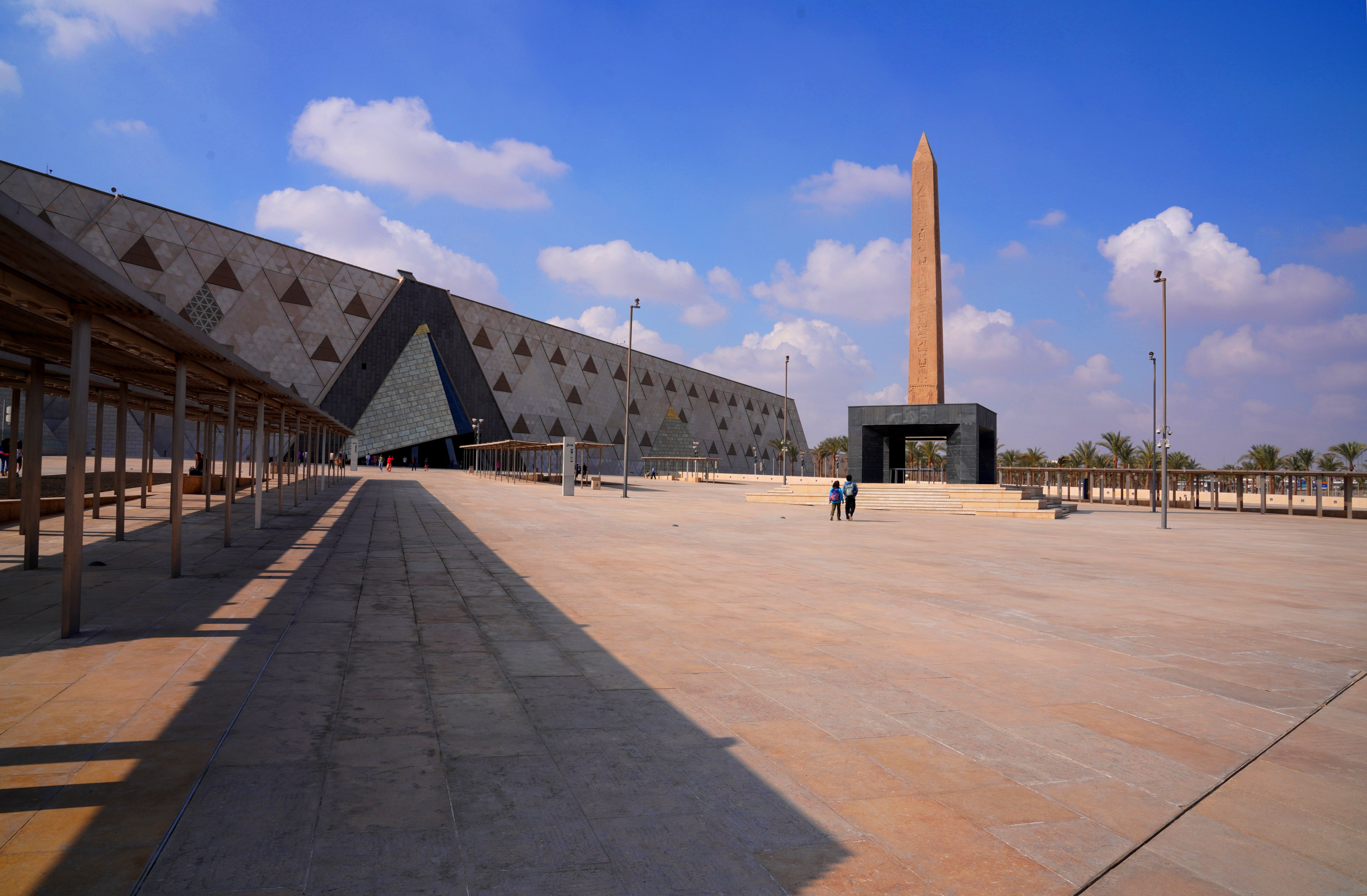
Situated near the plateau, the Grand Egyptian Museum stands as an architectural marvel dedicated to ancient Egypt. Housing thousands of artifacts—including the full, legendary treasures of King Tutankhamun—it offers an unprecedented, high-tech museum experience.
Practical Tip: Book skip-the-line tickets ahead of time to access the grand hall and commercial area during trial opening phases.

While newer museums have opened, the iconic red neoclassical museum in downtown Cairo remains a beloved institution. It still houses an astounding collection of mummies, sarcophagi, and classical papyri that reflect centuries of excavation.
Practical Tip: Book a private guide inside to easily navigate the massive, uncrowded halls.

Step back into the 14th century as you wander the winding labyrinth of Khan el-Khalili Bazaar. The market buzzes with glowing brass lanterns, aromatic spices, intricate jewelry, and traditional leather goods.
Practical Tip: Stop for a mint tea or Arabic coffee at the historic El Fishawy Cafe, operating continuously for over two centuries.

Perched atop the Mokattam Hills, the Citadel of Saladin offers sweeping views across the city skyline. Inside its fortified walls lies the magnificent Great Mosque of Muhammad Ali, adorned with delicate alabaster stone and soaring minarets.
Practical Tip: Modest attire covering shoulders and knees is required to enter the active mosques within the fortress.

A stroll down Al-Mu'izz Street feels like stepping directly into a living outdoor museum of Islamic architecture. This pedestrianized street showcases the highest concentration of medieval architectural treasures in the Islamic world.
Practical Tip: Go in the late afternoon when the street transitions from daytime trading to illuminated evening ambiance.

Just south of the city lies the Saqqara Step Pyramid, recognized as the world's oldest monumental stone structure. Designed by the legendary architect Imhotep, this vast necropolis contains intricate subterranean tombs rich in painted reliefs.
Practical Tip: Wear sturdy walking shoes, as exploring the desert sand and tomb interiors takes light trekking.

Immerse yourself in Coptic Cairo's peaceful atmosphere, home to ancient fortress walls and historic churches. A curated old cairo walking tour takes you to the Hanging Church, suspended over a Roman gatehouse, and the Church of Saint Sergius and Bacchus.
Practical Tip: Keep small cash notes on hand for small donations or purchasing handcrafted local crafts near the historic sites.

As the ancient capital of the Old Kingdom, Memphis holds immense historical significance despite its quiet modern setting. The open-air museum houses the colossal reclining statue of Ramesses II and a giant alabaster sphinx.
Practical Tip: Combine this visit with your trip to Saqqara and Dahshur to complete a full-day ancient capitals itinerary.

Dahshur offers a peaceful alternative to Giza, featuring the unique Bent Pyramid and the Red Pyramid. Here, King Sneferu mastered the engineering techniques needed to build true smooth-sided pyramids.
Practical Tip: The Red Pyramid lets visitors enter its deep inner burial chamber for free with standard site entry, but involves steep steps.

Offering a lush, green oasis amid the urban energy, Al-Azhar Park features manicured gardens, peaceful fountains, and elevated viewpoints. It is the perfect location for a sunset walk overlooking the city's skyline.
Practical Tip: Dine at the park's hilltop restaurant during dusk for panoramic dinner views of illuminated Cairo.

No visit is complete without boarding a traditional wooden felucca boat to sail the Nile River. Catching the gentle breeze as the city lights turn on creates a memorable contrast to the bustling city streets.
Practical Tip: Pack light refreshments or book a late-afternoon private sail to capture the sunset over the water.

Situated near the Citadel, the Mosque-Madrasa of Sultan Hassan is a masterpiece of early Mamluk architecture known for its massive proportions. Directly next to it sits Al-Rifa'i Mosque, the royal burial site of Egypt's modern monarchs and the last Shah of Iran.
Practical Tip: Purchase a joint ticket to explore both grand mosques together conveniently.

The National Museum of Egyptian Civilization (NMEC) in Fustat is the modern resting place of 22 royal mummies transferred during the historic Golden Parade. The subterranean mummy gallery provides a respectful, climate-controlled viewing experience.
Practical Tip: Photography is strictly prohibited inside the Royal Mummies Hall to protect the artifacts.

Carved directly into the limestone cliffs of the Mokattam mountain, the Monastery of Saint Simon is an extraordinary architectural site. Capable of seating thousands, it remains one of the largest church venues in the Middle East.
Practical Tip: Arrange private transport directly to the site, as public routes through the district can be complex to navigate.

Soaring over Gezira Island, the 187-meter Cairo Tower offers sweeping 360-degree views of the capital. On clear days, you can spot the distant silhouettes of the Giza Pyramids across the horizon.
Practical Tip: Go right before sunset to enjoy both daylight photography and the glowing night cityscape.

Once the primary royal residence of Egypt's monarchy, Abdeen Palace is an opulent European-style estate turned museum. Visitors can explore lavish suites, historical weaponry collections, and preserved royal gifts.
Practical Tip: Confirm seasonal opening hours in advance, as active official state events occasionally restrict access.

Holding one of the world's finest collections of Islamic artifacts, this museum displays exquisite woodwork, rare manuscripts, delicate ceramics, and inlaid metalwork spanning multiple dynasties.
Practical Tip: Use the audio guide available at the entrance for detailed context on key masterpieces.

Situated on a Nile island, Zamalek features tree-lined streets, boutique coffee shops, contemporary art galleries, and historic embassies. It offers a quiet setting for afternoon walks and dining.
Practical Tip: Go to local art spaces such as the Safarkhan Art Gallery to view contemporary Egyptian art.

Tucked away at the southern tip of Rhoda Island, the ancient Nilometer is a unique architectural gem used for centuries to measure Nile flood levels and calculate annual taxes.
Practical Tip: Pair this off-the-beaten-path stop with a tour of the adjacent, ornate Manasterly Palace.

Navigating Cairo's lively streets calls for a combination of smart planning and reliable transport options. While riding the local metro works well for budget travel along central lines, relying on chauffeured private vehicles remains the premier way to travel between spread-out attractions like Giza, Saqqara, and Downtown. Traffic can be heavy during morning and evening rush hours, so organizing your day by geographic clusters helps maximize your time, especially when working through a comprehensive Cairo travel itinerary 3 days long.
Cairo is widely recognized as a safe and welcoming destination for international travelers, backed by visible tourism police presence across major heritage sites. The best time of year to visit Cairo is between October and April, when temperate weather allows comfortable outdoor sightseeing. Standard precautions include staying hydrated, securing personal belongings in busy market streets, and using licensed, private tour operators to ensure smooth transfers and hassle-free entry at key monuments.
Make It Effortless with Deluxe Tours Egypt
Planning a trip to a metropolis as rich and vast as Cairo should never feel overwhelming. With our tailormade cairo guided tour packages and premier best cairo private tours, Deluxe Tours Egypt manages every logistical detail—from luxury transport to skip-the-line admissions and private expert Egyptologists. Reach out to our travel specialists today to design your bespoke Egyptian journey.
Discover now our answers to the most common questions that may come to your mind about tourism and trips to Egypt
Cultural, historical, adventure, and custom customized trips are just a few of the tours that Deluxe trips offer in Egypt and Jordan.
The Dead Sea, Petra in Jordan, the Pyramids of Giza, Luxor's historic temples, and many other famous sites can be expected to be explored with Deluxe Tours.
offer a hassle-free holiday, Deluxe Tours' packages generally include lodging, transport, meals, guided tours with experienced local experts, and entry fees to attractions.
Spring (March to May) and fall (September to November) offer the finest weather for sightseeing and outdoor activities, making those months the best times to visit Egypt and Jordan.
These two countries are close by, only a 1.5-hour flight apart, and when combined, offer a variety of distinctive experiences. We advise you to spend at least 12 days visiting both countries for a truly unforgettable experience
Combining the eclipse viewing with visits to historic sites like the Pyramids of Giza, the Valley of the Kings, and a Nile River cruise are highly recommended.
Yes, all classic tours include professional, licensed Egyptologist guides who provide in-depth historical insights at every site. Private guide options are also available for a more personalized experience.
Absolutely. We offer fully customizable itineraries based on your travel dates, budget, hotel preferences, cruise category, and specific interests such as photography, history, adventure, or luxury travel.
Classic Tour packages typically offer 4-star and 5-star hotels in Cairo and luxury Nile cruises. Boutique and ultra-luxury accommodations can also be arranged upon request.
Yes, Egypt’s main tourist destinations such as Cairo, Luxor, Aswan, and the Red Sea resorts are considered safe and well-secured. Our tours provide private transportation, licensed guides, and 24/7 on-ground support to ensure a safe and comfortable experience.
Classic Egypt Tours may take you on more extensive journeys (7–10 days) that explore Luxor, Aswan, and the Nile Valley, or they can be short trips (3–4 days) that focus on Cairo and Giza.
Yes, these tours are suitable for families, couples, solo travelers, and seniors. The pace can be adjusted, and private transportation ensures comfort throughout the journey.
Yes, U.S. passport holders require a tourist visa. It can be obtained upon arrival at Cairo Airport or applied for online through Egypt’s e-visa system.
Abu Simbel Temples are located in southern Egypt near the Sudanese border, about 280 km (175 miles) southwest of Aswan, on the western bank of Lake Nasser.
The temples were built by Pharaoh Ramesses II in the 13th century BC. They are famous for their colossal statues and for the incredible relocation project in the 1960s to save them from flooding after the construction of the Aswan High Dam.
Usually, no. Most Nile Cruises sail between Luxor and Aswan. While they don't sail to Abu Simbel, almost all cruises offer it as an optional add-on excursion while the ship is docked in Aswan.
Visitors usually spend 2–3 hours exploring both the Great Temple of Ramesses II and the Temple of Queen Nefertari.
Yes. The site is accessible and relatively flat, but the heat can be intense. Early morning visits are recommended for families and seniors.
Absolutely. The scale, history, and preservation story of Abu Simbel make it one of Egypt’s most breathtaking archaeological sites and a highlight of any trip to Egypt.
Yes! Unlike the Great Sphinx, your entry ticket includes access to the inner chambers of both the Great Temple of Ramesses II and the Temple of Nefertari. You can walk all the way back to the "Holy of Holies" sanctuary.
The Abu Simbel Sun Festival happens twice a year (around February 22 and October 22). On these dates, sunlight illuminates the inner sanctuary statues, an incredible ancient astronomical achievement.
Yes, it is commonly done as a day trip from Aswan, typically departing very early in the morning and returning by early afternoon.
Absolutely. The scale, history, and preservation story of Abu Simbel make it one of Egypt’s most breathtaking archaeological sites and a highlight of any trip to Egypt.
Most itineraries combine cultural highlights such as Cairo, Luxor, and Aswan with Red Sea resort cities like Hurghada, Sharm El Sheikh, or Marsa Alam.
Most tours include 2–4 nights at a Red Sea resort after exploring historical sites. Travelers looking for more relaxation often extend their stay.
Yes. The Red Sea is considered one of the world’s top diving destinations thanks to its rich marine life, colorful coral reefs, and exceptional underwater visibility.
Absolutely. Many itineraries combine a Nile cruise between Luxor and Aswan with a beach stay in Hurghada or Sharm El Sheikh.
Last. Use the Red Sea as your "recovery" period after the early mornings and heavy walking of the Pyramids and Nile cruises.
Major Red Sea resort areas are well-developed tourist destinations with strong security measures and established tourism infrastructure.
No. All resorts offer "Intro Dives" for beginners. Snorkeling is also excellent right off the hotel jetties.
Each resort area offers a different experience:
Hurghada – Ideal for families, all-inclusive resorts, and easy access from the Nile Valley.
Sharm El Sheikh – Known for luxury resorts, vibrant nightlife, and world-class diving.
Marsa Alam – Perfect for tranquility, eco-lodges, and untouched reefs.
El Gouna – A stylish lagoon-style resort town with a boutique atmosphere.
Your choice depends on whether you prefer relaxation, diving, nightlife, or exclusivity.
The Red Sea can be visited year-round. The period from October to April offers pleasantly warm temperatures ideal for sightseeing and beach relaxation, while the summer months are hotter but perfect for those who love long sunny days by the sea.
During your stay along the Red Sea, you can enjoy snorkeling, scuba diving, boat trips to nearby islands, desert safaris, spa treatments and relaxing on private beaches. Many resorts also offer water sports, sunset cruises, and evening entertainment programs.
During your stay along the Red Sea, you can enjoy snorkeling, scuba diving, boat trips to nearby islands, desert safaris, spa treatments and relaxing on private beaches. Many resorts also offer water sports, sunset cruises, and evening entertainment programs.
Our luxury tours focus on exclusivity, comfort, and personalized service. Instead of large group travel, you enjoy private guided visits, premium accommodations, seamless transfers, and carefully curated experiences that allow you to explore Egypt at your own pace with expert attention to detail.
Yes, many of our luxury packages feature a premium Nile cruise between Luxor and Aswan. Guests stay aboard high-end cruise vessels offering spacious suites, gourmet dining, spa services, and panoramic views of the Nile.
We carefully select five-star hotels and boutique luxury properties known for their exceptional service and prime locations. In Cairo, guests often enjoy stays near the pyramids or along the Nile, while in Upper Egypt and the Red Sea, we choose elegant resorts and heritage-inspired hotels that provide both comfort and authenticity.
Yes, our Egypt Luxury Tours are primarily private, allowing you to travel with your own dedicated Egyptologist guide and professional driver. This ensures flexibility, privacy, and a more immersive experience at every historical site.
Absolutely. Each luxury journey can be fully tailored to your interests, whether you prefer extended time at archaeological sites, exclusive dining experiences, spa retreats, or additional nights on the Red Sea. We design each itinerary to match your travel style and preferences.
Yes, our luxury packages typically include VIP airport meet-and-assist services at Cairo International Airport, ensuring a smooth arrival and departure experience with fast-track support.
These tours are perfect for couples, honeymooners, families seeking privacy, executive travelers, and anyone who values comfort, exclusivity, and personalized service while discovering Egypt’s timeless heritage.
Yes, primarily because you are never "on your own" in transit. You are escorted from the moment you land until you depart. Luxury tours also use vetted, high-security hotels and private transport, which minimizes the risk of common scams or petty theft.
Depending on availability and preference, we can arrange private pyramid visits, VIP access to selected sites, gourmet dinners with Nile views, spa treatments, and special cultural experiences that elevate your journey beyond traditional sightseeing.
Egypt offers extraordinary history and breathtaking landscapes. Experiencing it through a luxury journey allows you to explore iconic temples, cruise the Nile in elegance, and relax in world-class resorts, all while enjoying seamless service and refined comfort from beginning to end.
Egypt Budget Holidays are carefully designed travel packages that allow you to explore the country’s most iconic attractions at an affordable price. These tours combine smart planning, well-organized itineraries, and comfortable accommodations to ensure you experience the highlights of destinations such as Cairo, Luxor, and Aswan without stretching your budget.
Most budget itineraries include Egypt’s top highlights such as Cairo, Luxor, and Aswan. Travelers can visit the legendary Great Pyramid of Giza, explore ancient temples along the Nile, and experience local culture — all at an affordable price.
Excluding international flights, a well-planned budget itinerary usually costs between $800 and $1,100 USD. This includes domestic travel (trains/buses), entry fees, street food, and guesthouse accommodation.
Budget tours typically include clean and comfortable 3-star or quality 4-star hotels in convenient locations. While accommodations may not be luxury properties, they offer good service, essential amenities, and a pleasant stay after a full day of sightseeing.
Yes, budget tours are professionally guided by experienced Egyptologists who provide valuable historical insights at each site. Group tours are common in budget packages, helping reduce overall costs while maintaining a rich cultural experience.
Yes, budget packages typically include airport transfers, intercity transportation by air-conditioned vehicles or trains, and domestic flights when necessary, depending on the itinerary.
Absolutely. Budget holidays are popular among solo travelers, students, couples, and families looking for affordable adventures. Group settings can also be a great way to meet fellow travelers from around the world.
Egypt stands out as an ideal destination for travelers seeking exceptional value without sacrificing unforgettable experiences. The country brings together world-famous monuments, rich cultural traditions, and breathtaking landscapes, all available at comparatively affordable prices. From the ancient pyramids to majestic temples and a scenic Nile cruise, visitors can enjoy remarkable highlights while keeping expenses under control.
The "Shoulder Seasons" (May, September, and October) offer the best balance. You’ll find hotel rates 20–30% lower than the winter peak, and the heat is still manageable compared to the mid-summer blast.
Many budget tours offer flexible options, allowing you to add extra excursions, upgrade hotels or extend your stay. Optional visits to sites like Abu Simbel Temples can often be arranged at an additional cost.
Egypt offers couples a rare blend of romance, history, and exotic beauty. From watching the sunset beside the pyramids in Giza to sailing peacefully along the Nile near Aswan, every moment feels timeless and unforgettable. The atmosphere of ancient wonders combined with elegant hospitality creates a truly magical setting for newlyweds.
Most honeymoon itineraries include romantic stays in Cairo, cultural exploration in Luxor, and relaxing escapes in Red Sea destinations such as Sharm El Sheikh or Hurghada. This combination allows couples to balance discovery with privacy and relaxation.
Luxor Hot Air Balloon: Drifting over the Valley of the Kings at sunrise.
Private Felucca at Sunset: A 2-hour private sail in Aswan with traditional music and snacks.
Pyramid Dinner: Dining at 9 Pyramids Lounge or 139 Pavilion at the Mena House, where the pyramids are your backdrop.
Yes, Egypt Honeymoon Tours are typically arranged as private journeys, giving couples the freedom to explore at their own pace with a dedicated guide and private transfers. This ensures comfort, flexibility and intimate moments throughout the trip.
Honeymoon packages feature carefully selected four- and five-star hotels, boutique properties, and luxury resorts known for their romantic ambiance. Couples may enjoy Nile-view rooms, private balconies, spa treatments, and beachfront suites designed for comfort and privacy.
Absolutely. After exploring ancient temples and historic sites, couples can unwind on the pristine beaches of the Red Sea, enjoy spa treatments, or simply relax in a tranquil resort setting.
The most popular months for honeymoons are from October to April, when the weather is pleasantly warm and ideal for sightseeing and beach relaxation. However, Egypt remains a year-round destination for romance and discovery.
For international couples, a marriage certificate is not required to share a hotel room or cruise cabin. However, bringing a copy can sometimes help you secure "honeymooner" perks and upgrades at check-in.
Yes, every honeymoon can be tailored to reflect your personal style and preferences. Whether you envision more cultural exploration, additional beach relaxation in Sharm El Sheikh or a luxury retreat in Hurghada, your itinerary can be adjusted to create the perfect romantic balance.
Yes, Egypt is a year-round destination. The cooler months from autumn through spring are especially popular for honeymoons due to pleasant weather, while summer months offer sunny beach escapes and attractive resort offers.
Egypt combines ancient history, breathtaking landscapes, and serene coastal retreats in one extraordinary setting. From exploring legendary monuments to relaxing by the sea, it offers couples a rare opportunity to celebrate their love surrounded by beauty, culture, and unforgettable experiences.