Cultural, historical, adventure, and custom customized trips are just a few of the tours that Deluxe trips offer in Egypt and Jordan.

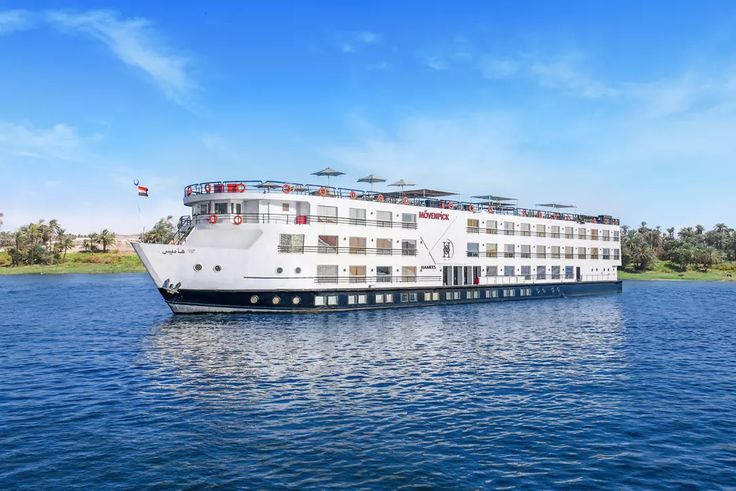
Blending the vibrant energy of Africa's largest metropolis with the peaceful, timeless rhythm of the world's longest river is the secret to an unforgettable Egyptian voyage. Navigating thousands of years of pharaonic grandeur calls for expert curation, turning a standard trip into a masterclass in luxury travel. Welcome to the definitive guide crafted by Deluxe Tours Egypt, designed to help you plan a flawless cairo and nile cruise itinerary.
No trip to Egypt is complete without standing in the shadow of the last remaining Wonder of the Ancient World. Built during the Old Kingdom, the Pyramids of Giza continue to puzzle modern engineers with their sheer scale and mathematical precision. A private expert Egyptologist will uncover the mysteries behind Khufu, Khafre, and Menkaure before guiding you to the enigmatic Sphinx.
Practical Tip: Visit early in the morning to beat the desert heat and the crowds, and reserve a private entry ticket inside the Great Pyramid for an intimate experience.

2. Explore the Grand Egyptian Museum
Situated within sight of the Giza Plateau, the mega-facility known as the Grand Egyptian Museum represents the future of global antiquities displays. Home to over 100,000 artifacts, including the complete, breathtaking treasure collection of King Tutankhamun, this architectural marvel offers an unmatched deep dive into pharaonic culture.
Practical Tip: Check availability for limited preview tours, which grant exclusive access to the main galleries, grand staircase, and commercial areas ahead of the full official opening.

3. Wander the Historic Alleyways of Khan el-Khalili
Travel back to the 14th century as you explore Khan el-Khalili, Cairo's world-famous medieval open-air bazaar. The sensory maze of narrow lanes gleams with brass lanterns, hand-carved woodwork, exotic perfumes, and colorful textiles, offering an authentic taste of historic Islamic Cairo.
Practical Tip: Enjoy an authentic mint tea at the historic El Fishawy Cafe, running continuously for over two centuries, best visited in the late afternoon.

Set high atop the Mokattam Hills, the medieval fortification built by Saladin offers sweeping vistas across Cairo's endless skyline. Within its stone walls stands the stunning Mosque of Muhammad Ali, known as the Alabaster Mosque, featuring towering minarets and an ornate interior lit by dozens of hanging crystal lamps.
Practical Tip: Dress modestly with covered shoulders and knees, and remove your shoes before entering the carpeted prayer hall of the mosque.

Explore Cairo's deep Christian heritage inside Old Cairo's fortified Roman fortress of Babylon. Highlights include the Hanging Church, perched over ancient bastions, and the Church of St. Sergius and Bacchus, where the Holy Family is believed to have sought shelter during their flight into Egypt.
Practical Tip: Combine this peaceful walking tour with a brief stop at the nearby Ben Ezra Synagogue, one of Egypt's oldest Jewish worship sites.

Escape the urban hustle with an afternoon sail along Cairo's waterways aboard a traditional wooden felucca. As the late sun turns the skyline golden, gliding silently under white canvas sails provides a peaceful contrast to the city's lively streetscape.
Practical Tip: Schedule your private felucca ride an hour before sunset to capture the dramatic twilight views over Cairo's riverfront towers.

Situated just south of Cairo, Saqqara houses the Step Pyramid of Djoser—the world's oldest monumental stone structure. Nearby Dahshur features the Bent and Red Pyramids, offering crucial insight into how early builders refined pyramid construction techniques before Giza was ever conceived.
Practical Tip: Venture inside the Red Pyramid for a thrilling, crowd-free descent into undisturbed pharaonic burial chambers.

Arriving in Upper Egypt for the river portion of your journey, the immense Karnak Temple in Luxor stands as the largest religious complex ever built by human hands. Spanning over 200 acres, its highlights include the breathtaking Great Hypostyle Hall, a forest of 134 massive stone columns covered in intricate hieroglyphics.
Practical Tip: Aim to visit during the quieter hours of early morning or late afternoon when light filters dramatically through the tall columns.

Located in the heart of modern Luxor, this temple was dedicated to the renewal of kingship rather than a specific deity. At night, warm golden floodlights transform the towering pylons, massive statues of Ramses II, and soaring avenue of sphinxes into a magical theatrical backdrop.
Practical Tip: Luxor Temple stays open late into the evening, making it the perfect post-dinner excursion during your cruise dockings.

Situated on Luxor's West Bank, the dry desert canyon known as the Valley of the Kings served as the royal burial ground for New Kingdom pharaohs. Descend into underground chambers preserved for millennia, where rich, vivid wall paintings depict ancient spells from the Book of the Dead.
Practical Tip: Standard entry includes three tombs, but purchasing an extra ticket for the elaborate Tomb of Seti I or Tutankhamun is well worth the upgrade.

Rising dramatically beneath the sheer limestone cliffs of Deir el-Bahari, this architectural masterpiece honors Egypt's powerful female pharaoh, Queen Hatshepsut. Its classic colonnaded terraces blend effortlessly with the natural rock backdrop, symbolizing royal harmony and divine order.
Practical Tip: Wear comfortable walking shoes, sunglasses, and a wide-brimmed hat, as the open stone courtyards radiate substantial heat by mid-day.

Drift silently over the Nile River, lush green farmland, and ancient West Bank monuments during a dawn hot air balloon flight. Watching the sun rise over the colossal Valley of the Kings and the Colossi of Memnon from the sky is a bucket-list spectacle.
Practical Tip: Book early in your itinerary; balloon launches are subject to wind conditions and can occasionally be rescheduled to the following morning.

13. Explore the Well-Preserved Temple of Edfu
As your river vessel sails south toward Aswan, you will disembark at Edfu to visit the Temple of Horus. Built during the Ptolemaic period, it stands as the most complete and best-preserved pharaonic temple in all of Egypt, offering remarkable insights into ancient ritual life.
Practical Tip: Arrange private motorized transport directly from your dock rather than taking horse-drawn carriages for a smoother, comfortable journey.

Dramatically perched on a high bend overlooking the river, Kom Ombo Temple features a unique symmetrical layout dedicated to two gods simultaneously: Sobek the crocodile god, and Haroeris the falcon-headed sky god. Nearby lies an intriguing museum displaying ancient mummified crocodiles.
Practical Tip: Visiting this temple at dusk offers spectacular photos as sunset glimmers off the stone walls and the Nile River below.

Boarding a luxury vessel is the heart of any cairo to aswan nile cruise. Relax on sun decks, enjoy gourmet dining, and watch rural Egyptian life—unchanged for centuries—unfold along the lush palm-fringed riverbanks as you travel effortlessly between historic sites.
Practical Tip: To ensure peak comfort and refined dining options, look for best nile river cruise packages that offer private balconies and top-tier hospitality staff.

Dedicated to the goddess Isis, Philae Temple stands gracefully on Agilkia Island near Aswan. Rescued from the rising waters of Lake Nasser by UNESCO, this island complex features magnificent relief carvings, elegant colonnaded courtyards, and a truly romantic setting accessible only by motorboat.
Practical Tip: Visit in the early morning light when the calm waters surrounding the island reflect the majestic stone pylons perfectly.

Built in the 1960s, the Aswan High Dam transformed Egypt's economy by controlling the annual flooding of the Nile and generating massive hydroelectric power. From its crest, visitors enjoy sweeping views across the vast expanse of Lake Nasser stretching south toward Sudan.
Practical Tip: Combine your visit to the High Dam with a stop at the Unfinished Obelisk in the nearby granite quarries of Aswan.

Explore the unique traditions, lively music, and colorful architecture of the Nubian people in the traditional villages nestled on Elephantine Island and the Aswan West Bank. Cobalt-blue houses decorated with intricate geometric patterns offer a warm, welcoming contrast to ancient stone temples.
Practical Tip: Respect local customs by asking permission before taking photos of residents, and purchase handmade local crafts directly from village artisans.

19. Take an Excursion to the Grand Temples of Abu Simbel
Carved directly into solid rock cliffs by Ramses II, the twin temples of Abu Simbel stand as a breathtaking statement of imperial power. The four colossal seated statues guarding the entrance, along with the interior sanctuary dedicated to Ramses and Queen Nefertari, represent the height of pharaonic artistry.
Practical Tip: Take a short 45-minute flight from Aswan to Abu Simbel to maximize comfort and save valuable time on your overall itinerary.

For a peaceful journey off the standard tourist trail, head into the desert hills across from Aswan to explore this impressive 7th-century fortified Christian monastery. Abandoned in the 13th century, its preserved mudbrick ruins and stone basilicas offer a tranquil escape from busy city sights.
Practical Tip: Reach the monastery via a scenic camel trek from the Aswan riverbank across the golden desert dunes for an unforgettable adventure.

Getting Around Cairo and the Nile Valley
Getting around Egypt comfortably requires clear logistics, as distances between northern urban centers and southern monuments are significant. Within Cairo, heavy traffic can turn short drives into lengthy journeys, making private air-conditioned transport with an experienced driver essential. To travel between Cairo and Upper Egypt, daily domestic flights are the most convenient option. For the journey between Luxor and Aswan, a luxury river cruise acts as your moving boutique hotel, eliminating the hassle of repacking while delivering iconic luxor to aswan nile cruise highlights.
Safety Tips for Visiting Cairo and Upper Egypt
Egypt maintains a modern, robust tourism infrastructure supported by dedicated Tourism Police forces across all major sites and transit hubs. Visitors can explore comfortably by observing basic, sensible precautions: keep personal belongings secure in crowded marketplaces, drink bottled water, and rely on pre-arranged, vetted transfers. Working with certified local guides ensures smooth interactions and protects you from unwanted solicitations at busy archaeological monuments. Determining the best time for cairo and nile cruise travel between October and April also helps avoid extreme summer desert heat.
Designing an immaculate Egyptian vacation shouldn't mean spending countless hours worrying about logistics, entry tickets, or transit schedules. Whether you are seeking a curated cairo and nile cruise 7 days journey or tailored private egypt tours cairo and nile cruise experiences, our team handles every detail behind the scenes—from skip-the-line passes to top private Egyptologists.
Let Deluxe Tours Egypt enhance your journey with a fully customized egypt tour package with nile cruise crafted to perfection. Contact our travel specialists today to begin designing your tailor-made Egyptian story.
Discover now our answers to the most common questions that may come to your mind about tourism and trips to Egypt
Cultural, historical, adventure, and custom customized trips are just a few of the tours that Deluxe trips offer in Egypt and Jordan.
The Dead Sea, Petra in Jordan, the Pyramids of Giza, Luxor's historic temples, and many other famous sites can be expected to be explored with Deluxe Tours.
offer a hassle-free holiday, Deluxe Tours' packages generally include lodging, transport, meals, guided tours with experienced local experts, and entry fees to attractions.
Spring (March to May) and fall (September to November) offer the finest weather for sightseeing and outdoor activities, making those months the best times to visit Egypt and Jordan.
These two countries are close by, only a 1.5-hour flight apart, and when combined, offer a variety of distinctive experiences. We advise you to spend at least 12 days visiting both countries for a truly unforgettable experience
Combining the eclipse viewing with visits to historic sites like the Pyramids of Giza, the Valley of the Kings, and a Nile River cruise are highly recommended.
Yes, all classic tours include professional, licensed Egyptologist guides who provide in-depth historical insights at every site. Private guide options are also available for a more personalized experience.
Absolutely. We offer fully customizable itineraries based on your travel dates, budget, hotel preferences, cruise category, and specific interests such as photography, history, adventure, or luxury travel.
Classic Tour packages typically offer 4-star and 5-star hotels in Cairo and luxury Nile cruises. Boutique and ultra-luxury accommodations can also be arranged upon request.
Yes, Egypt’s main tourist destinations such as Cairo, Luxor, Aswan, and the Red Sea resorts are considered safe and well-secured. Our tours provide private transportation, licensed guides, and 24/7 on-ground support to ensure a safe and comfortable experience.
Classic Egypt Tours may take you on more extensive journeys (7–10 days) that explore Luxor, Aswan, and the Nile Valley, or they can be short trips (3–4 days) that focus on Cairo and Giza.
Yes, these tours are suitable for families, couples, solo travelers, and seniors. The pace can be adjusted, and private transportation ensures comfort throughout the journey.
Yes, U.S. passport holders require a tourist visa. It can be obtained upon arrival at Cairo Airport or applied for online through Egypt’s e-visa system.
Abu Simbel Temples are located in southern Egypt near the Sudanese border, about 280 km (175 miles) southwest of Aswan, on the western bank of Lake Nasser.
The temples were built by Pharaoh Ramesses II in the 13th century BC. They are famous for their colossal statues and for the incredible relocation project in the 1960s to save them from flooding after the construction of the Aswan High Dam.
Usually, no. Most Nile Cruises sail between Luxor and Aswan. While they don't sail to Abu Simbel, almost all cruises offer it as an optional add-on excursion while the ship is docked in Aswan.
Visitors usually spend 2–3 hours exploring both the Great Temple of Ramesses II and the Temple of Queen Nefertari.
Yes. The site is accessible and relatively flat, but the heat can be intense. Early morning visits are recommended for families and seniors.
Absolutely. The scale, history, and preservation story of Abu Simbel make it one of Egypt’s most breathtaking archaeological sites and a highlight of any trip to Egypt.
Yes! Unlike the Great Sphinx, your entry ticket includes access to the inner chambers of both the Great Temple of Ramesses II and the Temple of Nefertari. You can walk all the way back to the "Holy of Holies" sanctuary.
The Abu Simbel Sun Festival happens twice a year (around February 22 and October 22). On these dates, sunlight illuminates the inner sanctuary statues, an incredible ancient astronomical achievement.
Yes, it is commonly done as a day trip from Aswan, typically departing very early in the morning and returning by early afternoon.
Absolutely. The scale, history, and preservation story of Abu Simbel make it one of Egypt’s most breathtaking archaeological sites and a highlight of any trip to Egypt.
Most itineraries combine cultural highlights such as Cairo, Luxor, and Aswan with Red Sea resort cities like Hurghada, Sharm El Sheikh, or Marsa Alam.
Most tours include 2–4 nights at a Red Sea resort after exploring historical sites. Travelers looking for more relaxation often extend their stay.
Yes. The Red Sea is considered one of the world’s top diving destinations thanks to its rich marine life, colorful coral reefs, and exceptional underwater visibility.
Absolutely. Many itineraries combine a Nile cruise between Luxor and Aswan with a beach stay in Hurghada or Sharm El Sheikh.
Last. Use the Red Sea as your "recovery" period after the early mornings and heavy walking of the Pyramids and Nile cruises.
Major Red Sea resort areas are well-developed tourist destinations with strong security measures and established tourism infrastructure.
No. All resorts offer "Intro Dives" for beginners. Snorkeling is also excellent right off the hotel jetties.
Each resort area offers a different experience:
Hurghada – Ideal for families, all-inclusive resorts, and easy access from the Nile Valley.
Sharm El Sheikh – Known for luxury resorts, vibrant nightlife, and world-class diving.
Marsa Alam – Perfect for tranquility, eco-lodges, and untouched reefs.
El Gouna – A stylish lagoon-style resort town with a boutique atmosphere.
Your choice depends on whether you prefer relaxation, diving, nightlife, or exclusivity.
The Red Sea can be visited year-round. The period from October to April offers pleasantly warm temperatures ideal for sightseeing and beach relaxation, while the summer months are hotter but perfect for those who love long sunny days by the sea.
During your stay along the Red Sea, you can enjoy snorkeling, scuba diving, boat trips to nearby islands, desert safaris, spa treatments and relaxing on private beaches. Many resorts also offer water sports, sunset cruises, and evening entertainment programs.
During your stay along the Red Sea, you can enjoy snorkeling, scuba diving, boat trips to nearby islands, desert safaris, spa treatments and relaxing on private beaches. Many resorts also offer water sports, sunset cruises, and evening entertainment programs.
Our luxury tours focus on exclusivity, comfort, and personalized service. Instead of large group travel, you enjoy private guided visits, premium accommodations, seamless transfers, and carefully curated experiences that allow you to explore Egypt at your own pace with expert attention to detail.
Yes, many of our luxury packages feature a premium Nile cruise between Luxor and Aswan. Guests stay aboard high-end cruise vessels offering spacious suites, gourmet dining, spa services, and panoramic views of the Nile.
We carefully select five-star hotels and boutique luxury properties known for their exceptional service and prime locations. In Cairo, guests often enjoy stays near the pyramids or along the Nile, while in Upper Egypt and the Red Sea, we choose elegant resorts and heritage-inspired hotels that provide both comfort and authenticity.
Yes, our Egypt Luxury Tours are primarily private, allowing you to travel with your own dedicated Egyptologist guide and professional driver. This ensures flexibility, privacy, and a more immersive experience at every historical site.
Absolutely. Each luxury journey can be fully tailored to your interests, whether you prefer extended time at archaeological sites, exclusive dining experiences, spa retreats, or additional nights on the Red Sea. We design each itinerary to match your travel style and preferences.
Yes, our luxury packages typically include VIP airport meet-and-assist services at Cairo International Airport, ensuring a smooth arrival and departure experience with fast-track support.
These tours are perfect for couples, honeymooners, families seeking privacy, executive travelers, and anyone who values comfort, exclusivity, and personalized service while discovering Egypt’s timeless heritage.
Yes, primarily because you are never "on your own" in transit. You are escorted from the moment you land until you depart. Luxury tours also use vetted, high-security hotels and private transport, which minimizes the risk of common scams or petty theft.
Depending on availability and preference, we can arrange private pyramid visits, VIP access to selected sites, gourmet dinners with Nile views, spa treatments, and special cultural experiences that elevate your journey beyond traditional sightseeing.
Egypt offers extraordinary history and breathtaking landscapes. Experiencing it through a luxury journey allows you to explore iconic temples, cruise the Nile in elegance, and relax in world-class resorts, all while enjoying seamless service and refined comfort from beginning to end.
Egypt Budget Holidays are carefully designed travel packages that allow you to explore the country’s most iconic attractions at an affordable price. These tours combine smart planning, well-organized itineraries, and comfortable accommodations to ensure you experience the highlights of destinations such as Cairo, Luxor, and Aswan without stretching your budget.
Most budget itineraries include Egypt’s top highlights such as Cairo, Luxor, and Aswan. Travelers can visit the legendary Great Pyramid of Giza, explore ancient temples along the Nile, and experience local culture — all at an affordable price.
Excluding international flights, a well-planned budget itinerary usually costs between $800 and $1,100 USD. This includes domestic travel (trains/buses), entry fees, street food, and guesthouse accommodation.
Budget tours typically include clean and comfortable 3-star or quality 4-star hotels in convenient locations. While accommodations may not be luxury properties, they offer good service, essential amenities, and a pleasant stay after a full day of sightseeing.
Yes, budget tours are professionally guided by experienced Egyptologists who provide valuable historical insights at each site. Group tours are common in budget packages, helping reduce overall costs while maintaining a rich cultural experience.
Yes, budget packages typically include airport transfers, intercity transportation by air-conditioned vehicles or trains, and domestic flights when necessary, depending on the itinerary.
Absolutely. Budget holidays are popular among solo travelers, students, couples, and families looking for affordable adventures. Group settings can also be a great way to meet fellow travelers from around the world.
Egypt stands out as an ideal destination for travelers seeking exceptional value without sacrificing unforgettable experiences. The country brings together world-famous monuments, rich cultural traditions, and breathtaking landscapes, all available at comparatively affordable prices. From the ancient pyramids to majestic temples and a scenic Nile cruise, visitors can enjoy remarkable highlights while keeping expenses under control.
The "Shoulder Seasons" (May, September, and October) offer the best balance. You’ll find hotel rates 20–30% lower than the winter peak, and the heat is still manageable compared to the mid-summer blast.
Many budget tours offer flexible options, allowing you to add extra excursions, upgrade hotels or extend your stay. Optional visits to sites like Abu Simbel Temples can often be arranged at an additional cost.
Egypt offers couples a rare blend of romance, history, and exotic beauty. From watching the sunset beside the pyramids in Giza to sailing peacefully along the Nile near Aswan, every moment feels timeless and unforgettable. The atmosphere of ancient wonders combined with elegant hospitality creates a truly magical setting for newlyweds.
Most honeymoon itineraries include romantic stays in Cairo, cultural exploration in Luxor, and relaxing escapes in Red Sea destinations such as Sharm El Sheikh or Hurghada. This combination allows couples to balance discovery with privacy and relaxation.
Luxor Hot Air Balloon: Drifting over the Valley of the Kings at sunrise.
Private Felucca at Sunset: A 2-hour private sail in Aswan with traditional music and snacks.
Pyramid Dinner: Dining at 9 Pyramids Lounge or 139 Pavilion at the Mena House, where the pyramids are your backdrop.
Yes, Egypt Honeymoon Tours are typically arranged as private journeys, giving couples the freedom to explore at their own pace with a dedicated guide and private transfers. This ensures comfort, flexibility and intimate moments throughout the trip.
Honeymoon packages feature carefully selected four- and five-star hotels, boutique properties, and luxury resorts known for their romantic ambiance. Couples may enjoy Nile-view rooms, private balconies, spa treatments, and beachfront suites designed for comfort and privacy.
Absolutely. After exploring ancient temples and historic sites, couples can unwind on the pristine beaches of the Red Sea, enjoy spa treatments, or simply relax in a tranquil resort setting.
The most popular months for honeymoons are from October to April, when the weather is pleasantly warm and ideal for sightseeing and beach relaxation. However, Egypt remains a year-round destination for romance and discovery.
For international couples, a marriage certificate is not required to share a hotel room or cruise cabin. However, bringing a copy can sometimes help you secure "honeymooner" perks and upgrades at check-in.
Yes, every honeymoon can be tailored to reflect your personal style and preferences. Whether you envision more cultural exploration, additional beach relaxation in Sharm El Sheikh or a luxury retreat in Hurghada, your itinerary can be adjusted to create the perfect romantic balance.
Yes, Egypt is a year-round destination. The cooler months from autumn through spring are especially popular for honeymoons due to pleasant weather, while summer months offer sunny beach escapes and attractive resort offers.
Egypt combines ancient history, breathtaking landscapes, and serene coastal retreats in one extraordinary setting. From exploring legendary monuments to relaxing by the sea, it offers couples a rare opportunity to celebrate their love surrounded by beauty, culture, and unforgettable experiences.