Cultural, historical, adventure, and custom customized trips are just a few of the tours that Deluxe trips offer in Egypt and Jordan.

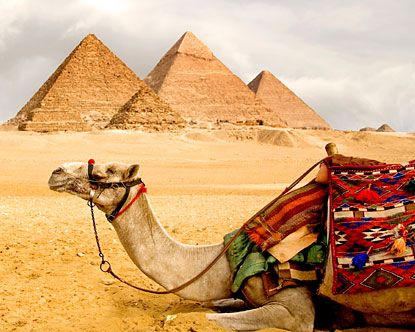
Cairo isn't just home to famous monuments-it's a city where more than 2,000 years of history can be explored in a single trip. From the world's oldest pyramids and medieval fortresses to royal palaces and centuries-old streets, every neighborhood tells a different chapter of Egypt's remarkable past.
What makes Cairo unique is the variety of its historical landmarks. You can walk through the remains of an ancient capital in the morning, admire magnificent Islamic architecture in the afternoon, and finish the day exploring markets that have welcomed merchants for hundreds of years.
If you're passionate about history, archaeology, or architecture, these are the historical attractions in Cairo you simply shouldn't miss.
Cairo's historical attractions also offer visitors the chance to experience different periods of Egyptian history in one destination. From ancient Egyptian monuments and archaeological treasures to Islamic and Coptic landmarks, each site adds a unique part to the story of the city.
The Giza Pyramids have dominated Cairo's western skyline for over 4,500 years, yet every visit reveals something new. Instead of stopping at the main viewpoint, walk further across the plateau to appreciate how the three pyramids were carefully positioned within the landscape.
For a different perspective, many nearby rooftop cafés now offer uninterrupted pyramid views, making sunset one of the most rewarding times to experience this ancient wonder.
The Giza Pyramids are among the most iconic ancient Egyptian landmarks and remain a must-see attraction for anyone exploring Cairo. The surrounding Giza Plateau also offers opportunities to discover the Great Sphinx and learn more about the history and construction of these extraordinary monuments.
Before the pyramids of Giza became symbols of Egypt, Saqqara introduced a revolutionary idea that changed architecture forever. The Step Pyramid of Djoser marked the world's first large-scale stone monument, and today the surrounding necropolis continues to reveal newly opened tombs filled with remarkably preserved artwork.
Unlike busier archaeological sites, Saqqara gives visitors more space to appreciate Egypt's earliest architectural achievements.
A visit to the Grand Egyptian Museum helps connect everything you'll see at Egypt's archaeological sites. Massive statues, beautifully displayed artifacts, and royal collections explain how the monuments outside once functioned as part of a much larger civilization.
Rather than rushing through the galleries, plan enough time to explore both the exhibitions and the museum's impressive public spaces overlooking the Giza Plateau.
The Grand Egyptian Museum is also an important stop for anyone interested in ancient Egyptian history, archaeology, and culture. Its collections provide valuable context for understanding the pharaohs, temples, tombs, and monuments that make Egypt one of the world's most fascinating historical destinations.
For nearly 700 years, the Cairo Citadel served as the center of Egypt's political and military power. Built on one of the city's highest points, it was designed to defend Cairo while offering commanding views across the surrounding landscape.
Today, visitors come not only for its fascinating history but also for the incredible panoramic views. On exceptionally clear days, it's even possible to spot the Giza Pyramids on the horizon.
Located inside the Citadel, the Mosque of Muhammad Ali is one of the city's architectural icons. Its elegant domes and towering minarets dominate Cairo's skyline, while the spacious courtyard provides one of the best viewpoints in the capital.
Visit in the early morning when the soft light highlights the mosque's alabaster walls and the surrounding city looks especially impressive.
Few places capture Cairo's medieval history like Al-Muizz Street. Stretching through the heart of Islamic Cairo, this historic avenue is lined with beautifully restored mosques, madrasas, historic houses, and traditional shops that have shaped the city's identity for centuries.
Come in the evening, when illuminated monuments and lively cafés create an atmosphere unlike anywhere else in Cairo.
The Sultan Hassan Mosque is widely considered one of the finest examples of Islamic architecture ever built in Egypt. Its enormous entrance, soaring interior, and remarkable stone craftsmanship continue to impress historians, architects, and travelers alike.
Standing inside its vast courtyard offers a real sense of the ambition behind one of Cairo's greatest medieval monuments.
Long before modern Cairo expanded around it, Coptic Cairo was already an important religious and cultural center. Today, its quiet streets are home to ancient churches, Roman ruins, and historic landmarks that reveal another side of Egypt's rich heritage.
The slower pace here makes it one of the most enjoyable areas to explore on foot.
Not every historical attraction in Cairo dates back thousands of years. The Prince Mohamed Ali Palace offers a fascinating glimpse into Egypt's royal era, blending Ottoman, Persian, and European architectural styles within beautifully landscaped gardens.
Its richly decorated rooms and peaceful surroundings make it one of Cairo's most underrated historical sites.
One of the last surviving gates of medieval Cairo, Bab Zuweila has welcomed merchants, pilgrims, and travelers since the 11th century. Climbing its towers rewards visitors with sweeping views across Historic Cairo and a unique perspective on the city's centuries-old skyline.
It's the perfect final stop for anyone wanting to experience Cairo beyond its most famous landmarks.
History is best enjoyed when the weather is comfortable. Plan your visit between October and April, and explore outdoor sites like the Giza Pyramids, Saqqara, and the Citadel early in the morning. Save neighborhoods such as Al-Muizz Street and Khan El Khalili for the evening, when the monuments are beautifully illuminated and the atmosphere becomes even more vibrant.
Instead of traveling across the city multiple times, group attractions by location. Combine the Giza Pyramids, Saqqara, and the Grand Egyptian Museum in one itinerary, then dedicate another day to Islamic Cairo, where the Citadel, Sultan Hassan Mosque, Al-Muizz Street, and Bab Zuweila are all within easy reach.
Cairo's history isn't confined to museums or archaeological sites—it's woven into every neighborhood, every monument, and every street. From the world's oldest pyramids to magnificent medieval architecture and elegant royal palaces, each attraction offers a different perspective on Egypt's extraordinary past.
If you want to understand why Cairo has remained one of the world's greatest historical cities for centuries, these landmarks are the perfect place to begin.
Exploring these landmarks also gives travelers a deeper look at Cairo's cultural heritage, ancient Egyptian civilization, and architectural history. Together, they make Cairo an unforgettable destination for discovering the stories, traditions, and monuments that have shaped Egypt over thousands of years.
Discover now our answers to the most common questions that may come to your mind about tourism and trips to Egypt
Cultural, historical, adventure, and custom customized trips are just a few of the tours that Deluxe trips offer in Egypt and Jordan.
The Dead Sea, Petra in Jordan, the Pyramids of Giza, Luxor's historic temples, and many other famous sites can be expected to be explored with Deluxe Tours.
offer a hassle-free holiday, Deluxe Tours' packages generally include lodging, transport, meals, guided tours with experienced local experts, and entry fees to attractions.
Spring (March to May) and fall (September to November) offer the finest weather for sightseeing and outdoor activities, making those months the best times to visit Egypt and Jordan.
These two countries are close by, only a 1.5-hour flight apart, and when combined, offer a variety of distinctive experiences. We advise you to spend at least 12 days visiting both countries for a truly unforgettable experience
Combining the eclipse viewing with visits to historic sites like the Pyramids of Giza, the Valley of the Kings, and a Nile River cruise are highly recommended.
Yes, all classic tours include professional, licensed Egyptologist guides who provide in-depth historical insights at every site. Private guide options are also available for a more personalized experience.
Absolutely. We offer fully customizable itineraries based on your travel dates, budget, hotel preferences, cruise category, and specific interests such as photography, history, adventure, or luxury travel.
Classic Tour packages typically offer 4-star and 5-star hotels in Cairo and luxury Nile cruises. Boutique and ultra-luxury accommodations can also be arranged upon request.
Yes, Egypt’s main tourist destinations such as Cairo, Luxor, Aswan, and the Red Sea resorts are considered safe and well-secured. Our tours provide private transportation, licensed guides, and 24/7 on-ground support to ensure a safe and comfortable experience.
Classic Egypt Tours may take you on more extensive journeys (7–10 days) that explore Luxor, Aswan, and the Nile Valley, or they can be short trips (3–4 days) that focus on Cairo and Giza.
Yes, these tours are suitable for families, couples, solo travelers, and seniors. The pace can be adjusted, and private transportation ensures comfort throughout the journey.
Yes, U.S. passport holders require a tourist visa. It can be obtained upon arrival at Cairo Airport or applied for online through Egypt’s e-visa system.
Abu Simbel Temples are located in southern Egypt near the Sudanese border, about 280 km (175 miles) southwest of Aswan, on the western bank of Lake Nasser.
The temples were built by Pharaoh Ramesses II in the 13th century BC. They are famous for their colossal statues and for the incredible relocation project in the 1960s to save them from flooding after the construction of the Aswan High Dam.
Usually, no. Most Nile Cruises sail between Luxor and Aswan. While they don't sail to Abu Simbel, almost all cruises offer it as an optional add-on excursion while the ship is docked in Aswan.
Visitors usually spend 2–3 hours exploring both the Great Temple of Ramesses II and the Temple of Queen Nefertari.
Yes. The site is accessible and relatively flat, but the heat can be intense. Early morning visits are recommended for families and seniors.
Absolutely. The scale, history, and preservation story of Abu Simbel make it one of Egypt’s most breathtaking archaeological sites and a highlight of any trip to Egypt.
Yes! Unlike the Great Sphinx, your entry ticket includes access to the inner chambers of both the Great Temple of Ramesses II and the Temple of Nefertari. You can walk all the way back to the "Holy of Holies" sanctuary.
The Abu Simbel Sun Festival happens twice a year (around February 22 and October 22). On these dates, sunlight illuminates the inner sanctuary statues, an incredible ancient astronomical achievement.
Yes, it is commonly done as a day trip from Aswan, typically departing very early in the morning and returning by early afternoon.
Absolutely. The scale, history, and preservation story of Abu Simbel make it one of Egypt’s most breathtaking archaeological sites and a highlight of any trip to Egypt.
Most itineraries combine cultural highlights such as Cairo, Luxor, and Aswan with Red Sea resort cities like Hurghada, Sharm El Sheikh, or Marsa Alam.
Most tours include 2–4 nights at a Red Sea resort after exploring historical sites. Travelers looking for more relaxation often extend their stay.
Yes. The Red Sea is considered one of the world’s top diving destinations thanks to its rich marine life, colorful coral reefs, and exceptional underwater visibility.
Absolutely. Many itineraries combine a Nile cruise between Luxor and Aswan with a beach stay in Hurghada or Sharm El Sheikh.
Last. Use the Red Sea as your "recovery" period after the early mornings and heavy walking of the Pyramids and Nile cruises.
Major Red Sea resort areas are well-developed tourist destinations with strong security measures and established tourism infrastructure.
No. All resorts offer "Intro Dives" for beginners. Snorkeling is also excellent right off the hotel jetties.
Each resort area offers a different experience:
Hurghada – Ideal for families, all-inclusive resorts, and easy access from the Nile Valley.
Sharm El Sheikh – Known for luxury resorts, vibrant nightlife, and world-class diving.
Marsa Alam – Perfect for tranquility, eco-lodges, and untouched reefs.
El Gouna – A stylish lagoon-style resort town with a boutique atmosphere.
Your choice depends on whether you prefer relaxation, diving, nightlife, or exclusivity.
The Red Sea can be visited year-round. The period from October to April offers pleasantly warm temperatures ideal for sightseeing and beach relaxation, while the summer months are hotter but perfect for those who love long sunny days by the sea.
During your stay along the Red Sea, you can enjoy snorkeling, scuba diving, boat trips to nearby islands, desert safaris, spa treatments and relaxing on private beaches. Many resorts also offer water sports, sunset cruises, and evening entertainment programs.
During your stay along the Red Sea, you can enjoy snorkeling, scuba diving, boat trips to nearby islands, desert safaris, spa treatments and relaxing on private beaches. Many resorts also offer water sports, sunset cruises, and evening entertainment programs.
Our luxury tours focus on exclusivity, comfort, and personalized service. Instead of large group travel, you enjoy private guided visits, premium accommodations, seamless transfers, and carefully curated experiences that allow you to explore Egypt at your own pace with expert attention to detail.
Yes, many of our luxury packages feature a premium Nile cruise between Luxor and Aswan. Guests stay aboard high-end cruise vessels offering spacious suites, gourmet dining, spa services, and panoramic views of the Nile.
We carefully select five-star hotels and boutique luxury properties known for their exceptional service and prime locations. In Cairo, guests often enjoy stays near the pyramids or along the Nile, while in Upper Egypt and the Red Sea, we choose elegant resorts and heritage-inspired hotels that provide both comfort and authenticity.
Yes, our Egypt Luxury Tours are primarily private, allowing you to travel with your own dedicated Egyptologist guide and professional driver. This ensures flexibility, privacy, and a more immersive experience at every historical site.
Absolutely. Each luxury journey can be fully tailored to your interests, whether you prefer extended time at archaeological sites, exclusive dining experiences, spa retreats, or additional nights on the Red Sea. We design each itinerary to match your travel style and preferences.
Yes, our luxury packages typically include VIP airport meet-and-assist services at Cairo International Airport, ensuring a smooth arrival and departure experience with fast-track support.
These tours are perfect for couples, honeymooners, families seeking privacy, executive travelers, and anyone who values comfort, exclusivity, and personalized service while discovering Egypt’s timeless heritage.
Yes, primarily because you are never "on your own" in transit. You are escorted from the moment you land until you depart. Luxury tours also use vetted, high-security hotels and private transport, which minimizes the risk of common scams or petty theft.
Depending on availability and preference, we can arrange private pyramid visits, VIP access to selected sites, gourmet dinners with Nile views, spa treatments, and special cultural experiences that elevate your journey beyond traditional sightseeing.
Egypt offers extraordinary history and breathtaking landscapes. Experiencing it through a luxury journey allows you to explore iconic temples, cruise the Nile in elegance, and relax in world-class resorts, all while enjoying seamless service and refined comfort from beginning to end.
Egypt Budget Holidays are carefully designed travel packages that allow you to explore the country’s most iconic attractions at an affordable price. These tours combine smart planning, well-organized itineraries, and comfortable accommodations to ensure you experience the highlights of destinations such as Cairo, Luxor, and Aswan without stretching your budget.
Most budget itineraries include Egypt’s top highlights such as Cairo, Luxor, and Aswan. Travelers can visit the legendary Great Pyramid of Giza, explore ancient temples along the Nile, and experience local culture — all at an affordable price.
Excluding international flights, a well-planned budget itinerary usually costs between $800 and $1,100 USD. This includes domestic travel (trains/buses), entry fees, street food, and guesthouse accommodation.
Budget tours typically include clean and comfortable 3-star or quality 4-star hotels in convenient locations. While accommodations may not be luxury properties, they offer good service, essential amenities, and a pleasant stay after a full day of sightseeing.
Yes, budget tours are professionally guided by experienced Egyptologists who provide valuable historical insights at each site. Group tours are common in budget packages, helping reduce overall costs while maintaining a rich cultural experience.
Yes, budget packages typically include airport transfers, intercity transportation by air-conditioned vehicles or trains, and domestic flights when necessary, depending on the itinerary.
Absolutely. Budget holidays are popular among solo travelers, students, couples, and families looking for affordable adventures. Group settings can also be a great way to meet fellow travelers from around the world.
Egypt stands out as an ideal destination for travelers seeking exceptional value without sacrificing unforgettable experiences. The country brings together world-famous monuments, rich cultural traditions, and breathtaking landscapes, all available at comparatively affordable prices. From the ancient pyramids to majestic temples and a scenic Nile cruise, visitors can enjoy remarkable highlights while keeping expenses under control.
The "Shoulder Seasons" (May, September, and October) offer the best balance. You’ll find hotel rates 20–30% lower than the winter peak, and the heat is still manageable compared to the mid-summer blast.
Many budget tours offer flexible options, allowing you to add extra excursions, upgrade hotels or extend your stay. Optional visits to sites like Abu Simbel Temples can often be arranged at an additional cost.
Egypt offers couples a rare blend of romance, history, and exotic beauty. From watching the sunset beside the pyramids in Giza to sailing peacefully along the Nile near Aswan, every moment feels timeless and unforgettable. The atmosphere of ancient wonders combined with elegant hospitality creates a truly magical setting for newlyweds.
Most honeymoon itineraries include romantic stays in Cairo, cultural exploration in Luxor, and relaxing escapes in Red Sea destinations such as Sharm El Sheikh or Hurghada. This combination allows couples to balance discovery with privacy and relaxation.
Luxor Hot Air Balloon: Drifting over the Valley of the Kings at sunrise.
Private Felucca at Sunset: A 2-hour private sail in Aswan with traditional music and snacks.
Pyramid Dinner: Dining at 9 Pyramids Lounge or 139 Pavilion at the Mena House, where the pyramids are your backdrop.
Yes, Egypt Honeymoon Tours are typically arranged as private journeys, giving couples the freedom to explore at their own pace with a dedicated guide and private transfers. This ensures comfort, flexibility and intimate moments throughout the trip.
Honeymoon packages feature carefully selected four- and five-star hotels, boutique properties, and luxury resorts known for their romantic ambiance. Couples may enjoy Nile-view rooms, private balconies, spa treatments, and beachfront suites designed for comfort and privacy.
Absolutely. After exploring ancient temples and historic sites, couples can unwind on the pristine beaches of the Red Sea, enjoy spa treatments, or simply relax in a tranquil resort setting.
The most popular months for honeymoons are from October to April, when the weather is pleasantly warm and ideal for sightseeing and beach relaxation. However, Egypt remains a year-round destination for romance and discovery.
For international couples, a marriage certificate is not required to share a hotel room or cruise cabin. However, bringing a copy can sometimes help you secure "honeymooner" perks and upgrades at check-in.
Yes, every honeymoon can be tailored to reflect your personal style and preferences. Whether you envision more cultural exploration, additional beach relaxation in Sharm El Sheikh or a luxury retreat in Hurghada, your itinerary can be adjusted to create the perfect romantic balance.
Yes, Egypt is a year-round destination. The cooler months from autumn through spring are especially popular for honeymoons due to pleasant weather, while summer months offer sunny beach escapes and attractive resort offers.
Egypt combines ancient history, breathtaking landscapes, and serene coastal retreats in one extraordinary setting. From exploring legendary monuments to relaxing by the sea, it offers couples a rare opportunity to celebrate their love surrounded by beauty, culture, and unforgettable experiences.